Last Updated on July 13, 2026 by Olasunkanmi Olajide
By Raymond Osemene
The Agricultural Media Resources and Extension Centre (AMREC), in collaboration with the Institute of Food Security, Environmental Resources and Agricultural Research (IFSERAR), today, July 9, 2026, organised a workshop on Research Ethics and Policy to strengthen ethical compliance and responsible research practices among Academics and researchers of the Federal University of Agriculture, Abeokuta (FUNAAB).
Declaring the workshop open on behalf of the Vice-Chancellor, Prof. Babatunde Kehinde, the Director of AMREC, Prof. Jacob Olaoye, described research as a fundamental responsibility of every Academic, stressing that its true value lies in its relevance and positive impact on society. He urged researchers to uphold honesty, professionalism and accountability, while complying with ethical guidelines and institutional regulations.
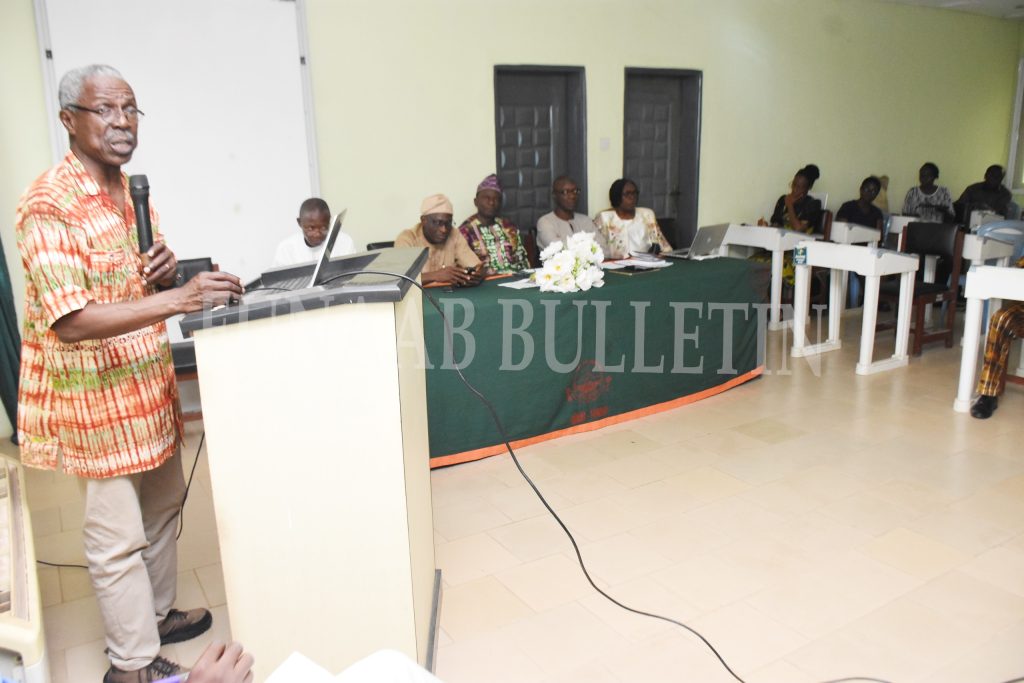
The Vice-Chancellor’s representative cautioned against unethical practices such as data fabrication, falsification and misuse of research grants, noting that such acts undermine the credibility of research findings and erode public confidence in scholarship.
Speaking further in his capacity as the Director of AMREC, Prof. Olaoye described the workshop as timely and strategic in deepening researchers’ understanding of ethical principles, regulatory frameworks and best practices for responsible research. He emphasised that integrity, accountability and strict compliance with ethical standards remain the bedrock of credible and impactful research.
Delivering the keynote lecture titled “Research Ethics Today,” Prof. Isaac Aiyelagbe explained that research ethics encompasses internationally accepted principles that guide responsible research conduct. He noted that ethical approval was mandatory for studies involving humans, hazardous substances, genetic engineering and environmentally sensitive activities, while cautioning against data fabrication, falsification and manipulation of research findings.

The Director of IFSERAR, Prof. Kazeem Bello, presented a paper titled, “Presentation of FUNAAB Research Ethics Policy,” where he stressed that every research endeavour must protect the dignity, rights and welfare of research participants. He disclosed that the workshop formed part of a step-down training initiative designed to extend research ethics knowledge previously acquired by Deans and Directors to a wider community of researchers across the University.
Prof. Bello further underscored the importance of honesty in data collection, analysis, methodology, reporting and scientific publications, warning that inaccurate data and poor research practices could significantly damage the credibility and global acceptance of research findings.
Speaking on “Manuscript Evaluation Template for Ethical Approval,” former Director of the Institute, Prof. Bamidele Oluwatosin, highlighted the evolution of ethical compliance from a simple certification process to a comprehensive system covering the entire research lifecycle, including data management, publication and dissemination of findings.
Also speaking, the former Director of AMREC, Prof. Victor Olowe, challenged researchers to prioritise studies that address pressing societal challenges, particularly in agriculture, rather than pursuing research solely for publications or career advancement. He encouraged participants to develop practical, affordable innovations capable of improving the livelihoods of smallholder farmers and influencing policy.
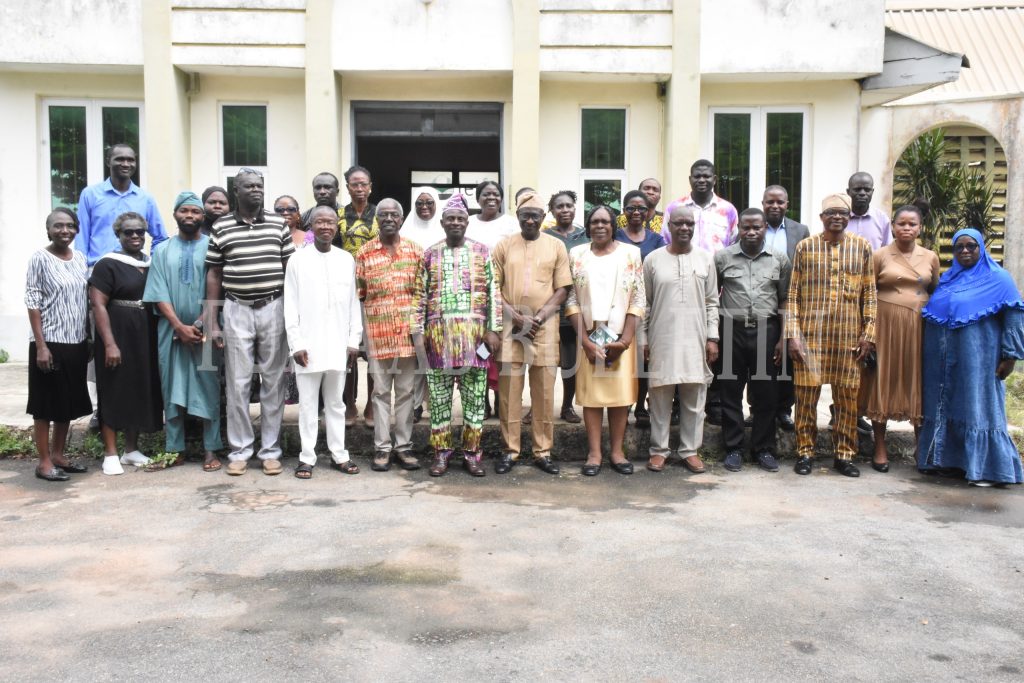
The workshop provided participants with practical insights into ethical research conduct and reinforced the University’s commitment to promoting integrity, transparency and excellence in research in line with global best practices.
