Last Updated on September 30, 2026 by Olasunkanmi Olajide
… As Global Experts, Universities and Stakeholders Converge in the University for the AGRECOFARM Final Conference
By Olasunkanmi Olajide, Joy Adeyiga & Wuraola Dada
The Food and Agriculture Organisation of the United Nations (FAO) has called for a stronger partnership with the Federal University of Agriculture, Abeokuta (FUNAAB), to accelerate agroecology education, research and sustainable agricultural transformation across Africa.
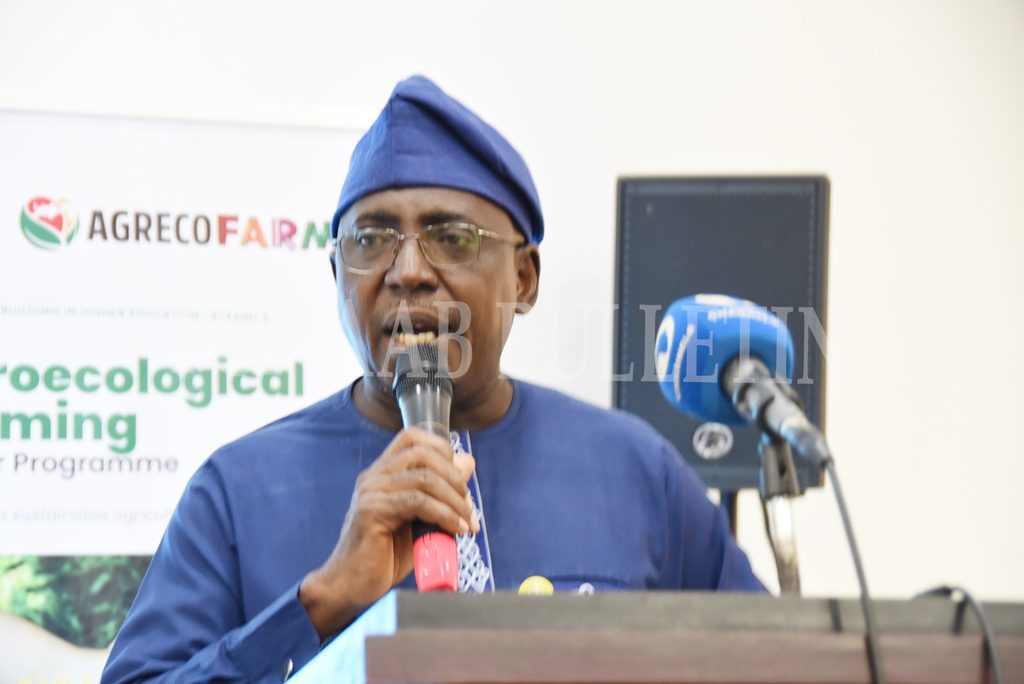
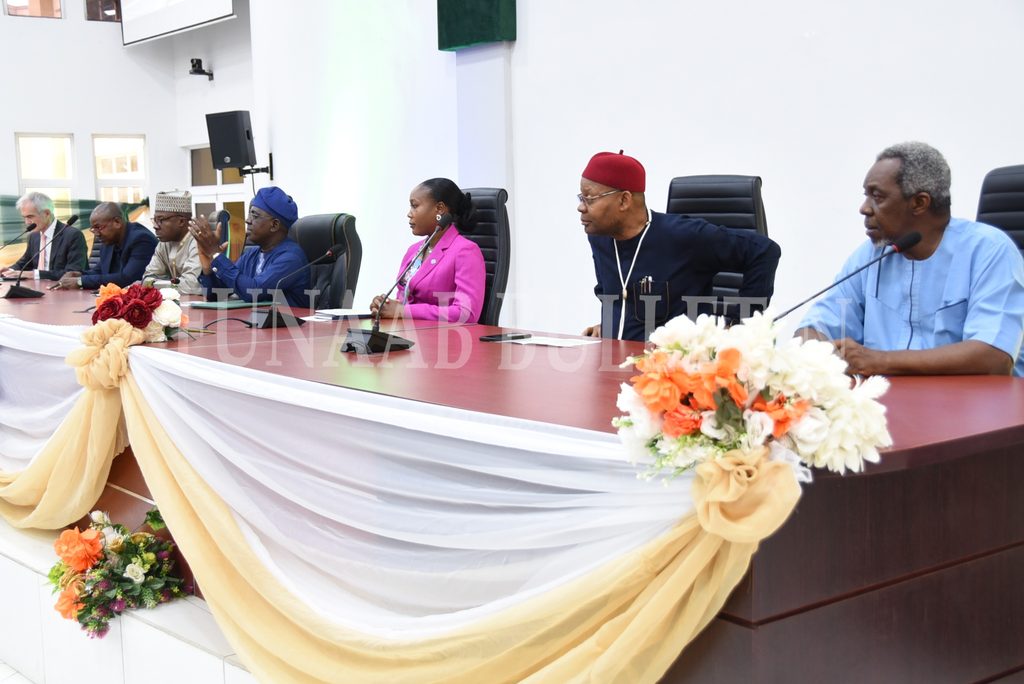
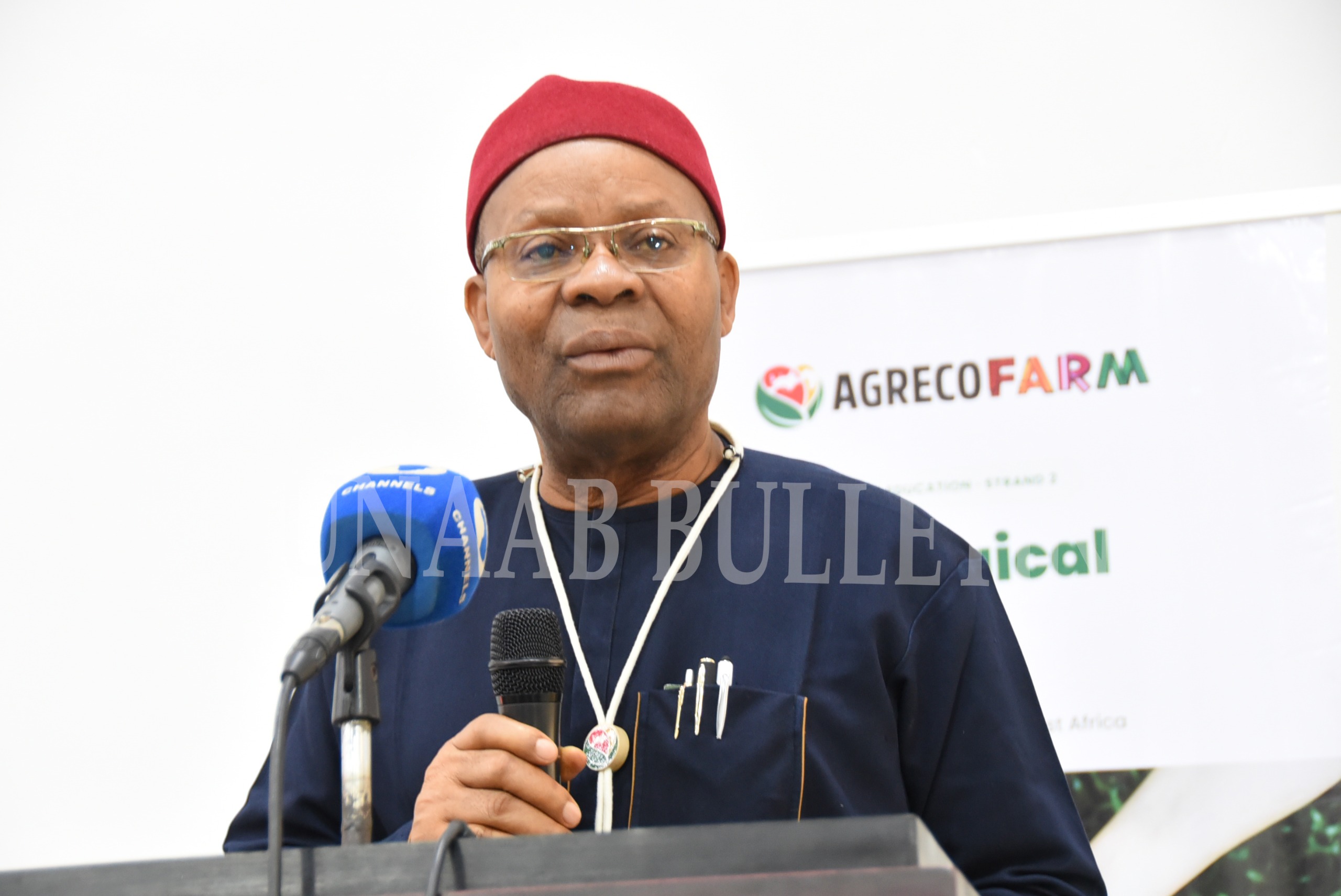
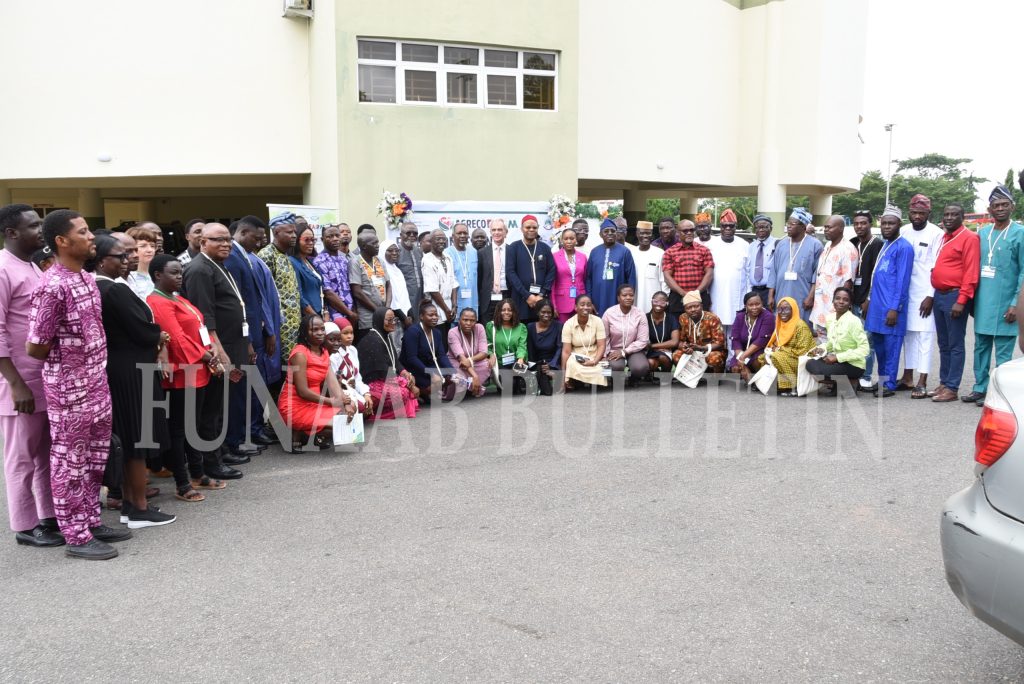
The call was made at the Opening Ceremony of the 2-Day Final Conference of the AGRECOFARM Project, held today, September 28, 2026, at the Red Chamber of FUNAAB, Abeokuta, where Academics, researchers, agricultural experts and development stakeholders from Africa and Europe examined pathways towards more resilient, inclusive and sustainable agrifood systems.
Delivering the Keynote Address, the representative of FAO in Nigeria and the Economic Community of West African States (ECOWAS), His Excellency, Dr. Hussein Gadain, represented by Dr. Nifesimi Ogunkua, the Climate Change Specialist and Team Lead, Climate Change, Biodiversity and Environment, said FAO looked forward to building a robust partnership with FUNAAB in advancing agroecology and sustainable agriculture.
Dr. Gadain said Africa’s agrifood systems were facing interconnected pressures arising from climate change, food insecurity, biodiversity loss, land degradation and increasing uncertainty in agricultural production, stressing that these challenges demanded integrated, locally relevant and evidence-based responses.
He described agroecology as a holistic approach that connects food production with environmental protection, livelihoods, nutrition and resilience, emphasising the importance of combining scientific knowledge with farmers’ indigenous knowledge and adapting solutions to local ecological, economic and cultural realities.
According to him, education and research were critical to Africa’s agroecological transformation, describing initiatives such as AGRECOFARM as strategic investments in developing a new generation of agricultural professionals equipped to address challenges across farms, communities, markets and policy institutions.
He called for stronger extension systems, digital agricultural tools, access to finance, appropriate land-use planning, greater farmer participation and practical support to enable farmers and communities to adopt sustainable agricultural practices at scale.
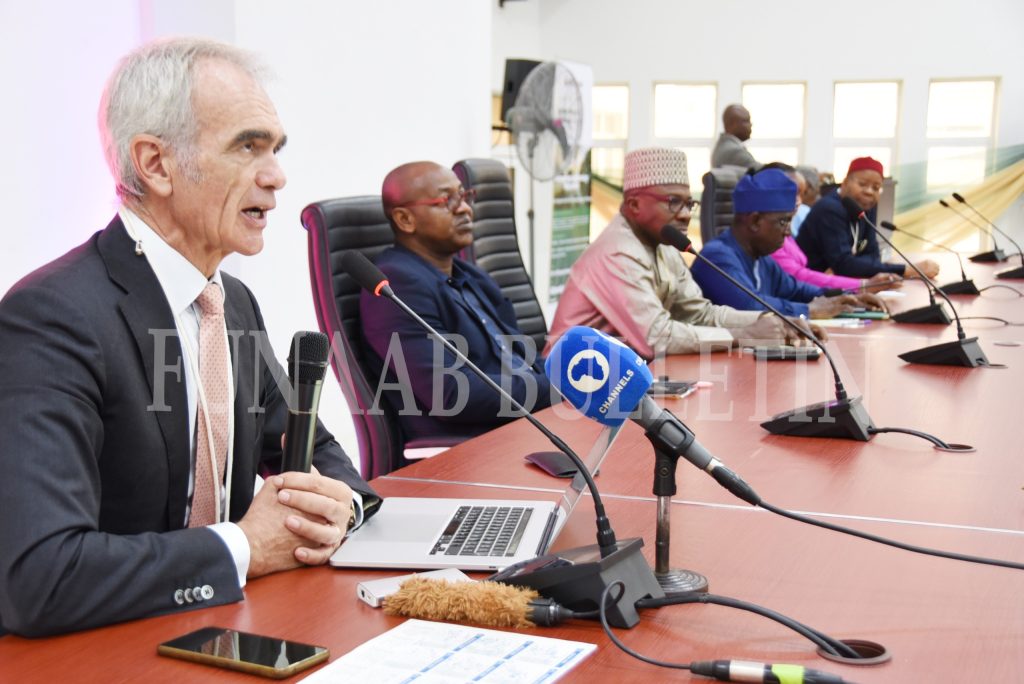
Dr. Gadain identified seven priorities for accelerating agroecology in Africa: strengthening the link between science, farmers and policymakers; investing in extension and knowledge systems; promoting landscape-level planning; improving access to finance; connecting sustainable agriculture with markets and enterprise development; empowering women and young people; and strengthening data, monitoring and measurement.
He urged universities, researchers and young professionals to ensure that the knowledge and innovations generated through AGRECOFARM continued beyond the project cycle, while calling for deeper collaboration among universities, farmers, governments, the private sector and development partners.
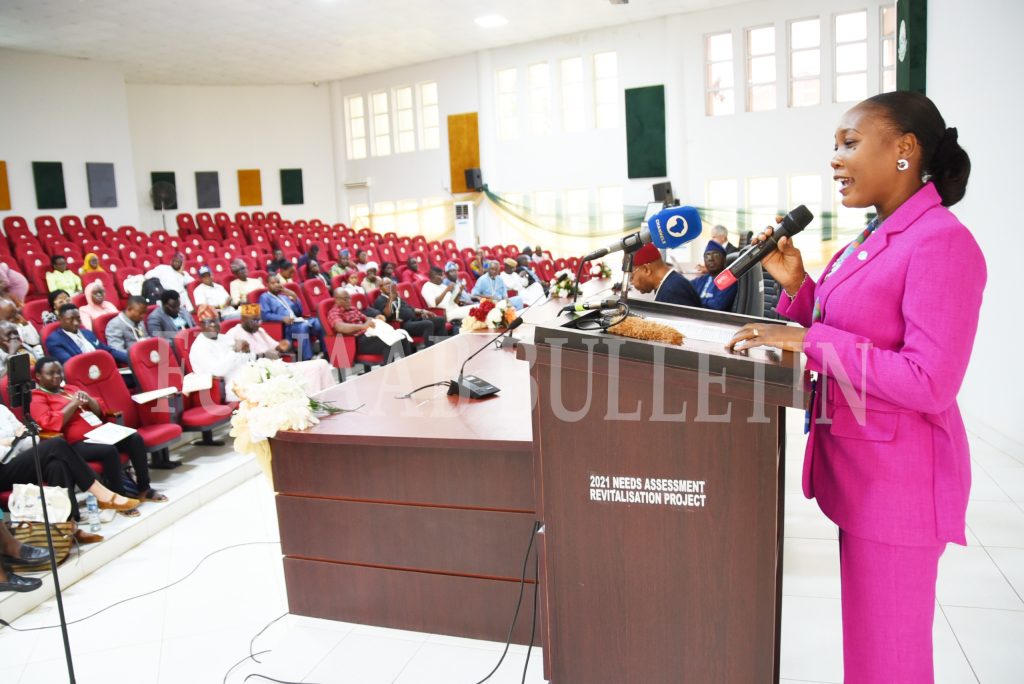
Welcoming participants to the conference, the Vice-Chancellor of FUNAAB, Prof. Babatunde Kehinde, said the AGRECOFARM Project, co-funded by the European Union, represented an important platform for promoting sustainable agricultural approaches, including regenerative, climate-smart and biodynamic agriculture.
Prof. Kehinde said the conference would provide opportunities for knowledge exchange, technical sessions, keynote presentations, roundtable discussions, vocational training, research papers and poster presentations, mentoring and networking, reaffirming FUNAAB’s commitment to producing the knowledge and human capacity required to advance food security, nutrition and environmental sustainability in Africa.
The Vice-Chancellor appreciated the European Union, participating institutions and organising committees for their contributions to the project and encouraged students and young researchers to maximise the opportunities offered by the initiative.
Also speaking, the Vice-Chancellor of the University of Agriculture and Environmental Sciences (UAES), Umuagwo, Prof. Christopher Eze, commended the participating institutions, dignitaries and stakeholders for their contributions to the programme.
The Project Coordinator, Prof. Pietro Picuno, explained that AGRECOFARM was designed to strengthen knowledge sharing and collaboration among participating universities. He highlighted the development of a new curriculum and Master of Science (MSc) programme combining theoretical knowledge, practical training and contemporary research in agroecological techniques for sustainable development.
Prof. Picuno added that the project would facilitate the exchange of scientific and technical knowledge generated by participating European universities, strengthening academic cooperation, research and knowledge transfer between institutions in Africa and Europe.
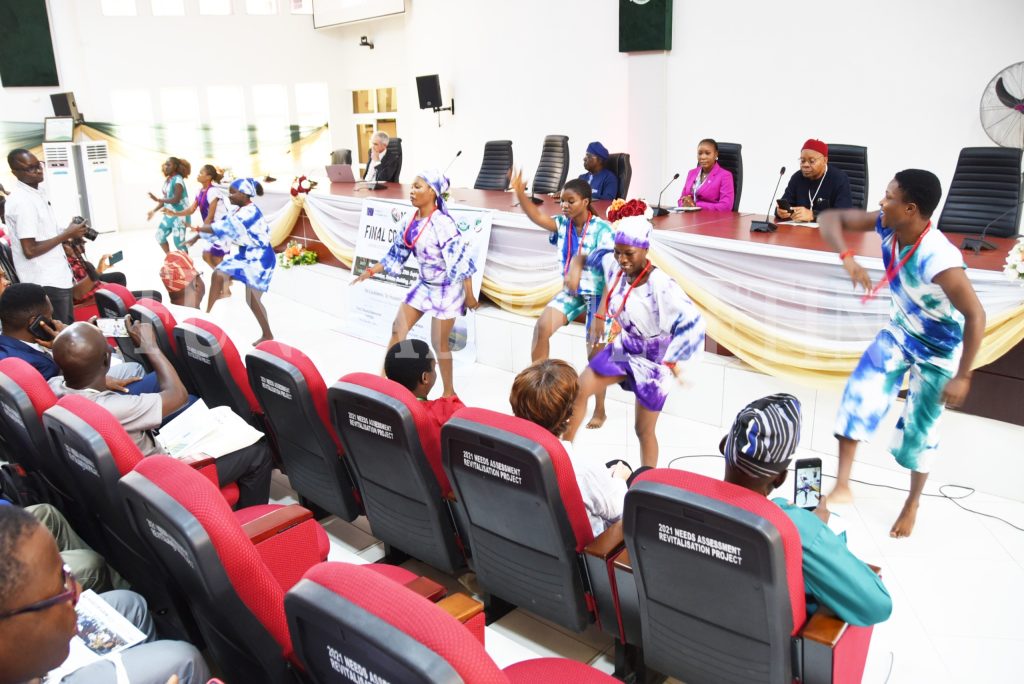
Meanwhile, the highlight of the Opening Session was the fantastic cultural performance by the FUNAAB Theatre Troupe.
#SDG2, #SDG4, #SDG8, #SDG13, #SDG17
