
Last Updated on August 27, 2026 by Olasunkanmi Olajide
By Raymond Osemene
The Federal University of Agriculture, Abeokuta (FUNAAB), has reaffirmed its commitment to innovation, entrepreneurship, research commercialisation and community development with the unveiling of the Eco-System Hybrid Dryer by Eco-Synergy Innovations (Nig.) Ltd. at an innovation-focused programme held today, August 26, 2026.
The technology was showcased by the Team Lead, Mr. Oluwagbemiga Adeboye, at the Institute of Food Security, Environmental Resources and Agricultural Research (IFSERAR), as part of activities promoting practical solutions to post-harvest losses, processing and preservation. The programme attracted farmers, community members and other stakeholders in agricultural innovation and technology.
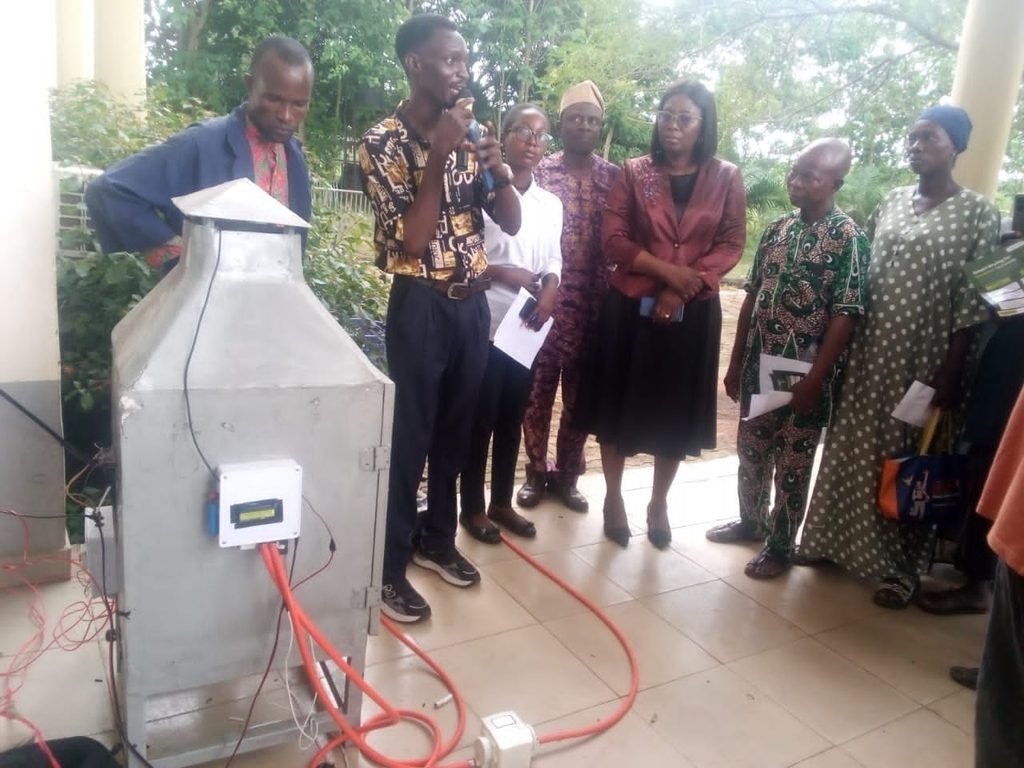
The Eco-System Hybrid Dryer is designed to provide an efficient method of drying agricultural produce, with the potential to reduce post-harvest losses, extend shelf life and improve the value and marketability of farm products.
Welcoming participants, the Dean, College of Biosciences (COLBIOS) and Mentor, Eco-Synergy Innovations (Nig.) Ltd., Prof. Iyabode Kehinde, appreciated Aspire Institute, Eco-Synergy Innovations, Budding Leaders Empowerment Initiative (BUDLEIN), and FUNAAB for their contributions, noting that the achievements reflected the dedication and collaboration of researchers, students and other members of the University’s innovation ecosystem.
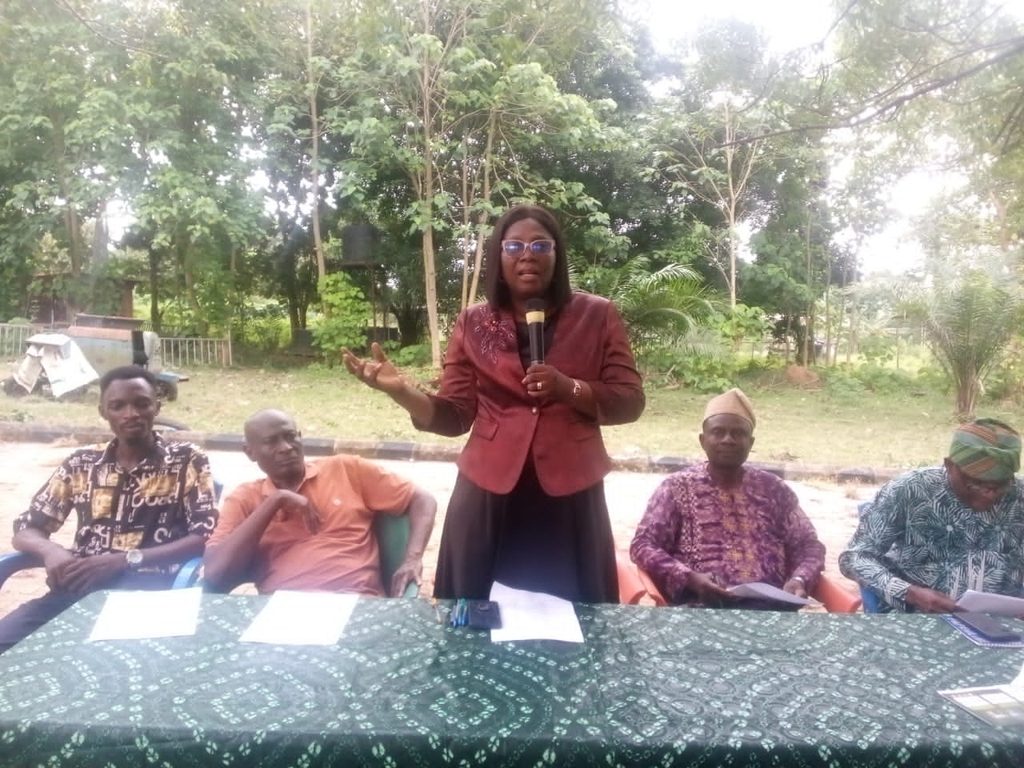
Prof. Kehinde emphasised the importance of supporting students and researchers through grants and other opportunities that promote venture creation, entrepreneurship and commercialisation of innovative ideas. She encouraged members of the University Community to take advantage of opportunities that provide international exposure and strengthen their capacity to contribute meaningfully to society.
She noted that the financial support received for innovation-related initiatives demonstrated confidence in the University’s research and innovation ecosystem, stressing that research should translate into practical solutions that address real-life challenges and improve livelihoods. She cited agricultural innovations targeting tomato production and other areas as examples of impactful research.
Speaking at the programme, the Director, Agricultural Media Resources and Extension Centre (AMREC), Prof. Jacob Olaoye, called for practical, affordable and accessible solutions tailored to farmers’ realities. He stressed that persistent agricultural challenges require more than theoretical approaches, urging stakeholders to intensify efforts towards sustainable and locally adaptable solutions.
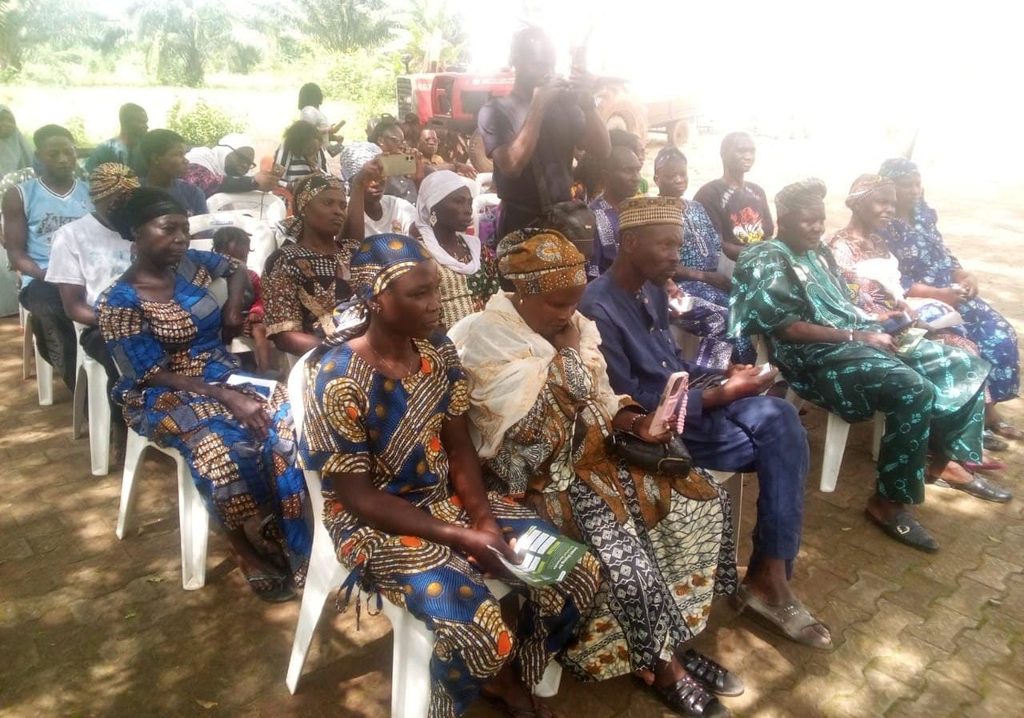
Prof. Olaoye emphasised collaboration among institutions, researchers and industry players, noting that innovations must be translated into practical technologies capable of improving productivity, reducing post-harvest losses and contributing to food security. He also advocated greater support for research, innovation and entrepreneurship as pathways to employment creation and improved livelihoods.
Also speaking, the Director, IFSERAR, Prof. Kazeem Bello, stressed the need for sustainable farming approaches and stronger engagement with farmers to identify production challenges and develop appropriate solutions. He called for closer collaboration among researchers, extension agents, agricultural professionals, government institutions and farmers to ensure that innovations are practical, affordable and adaptable to local conditions.
Prof. Bello noted that sustained engagement with farming communities would enable researchers and stakeholders to better understand challenges and provide timely interventions capable of improving production, reducing losses and strengthening livelihoods.
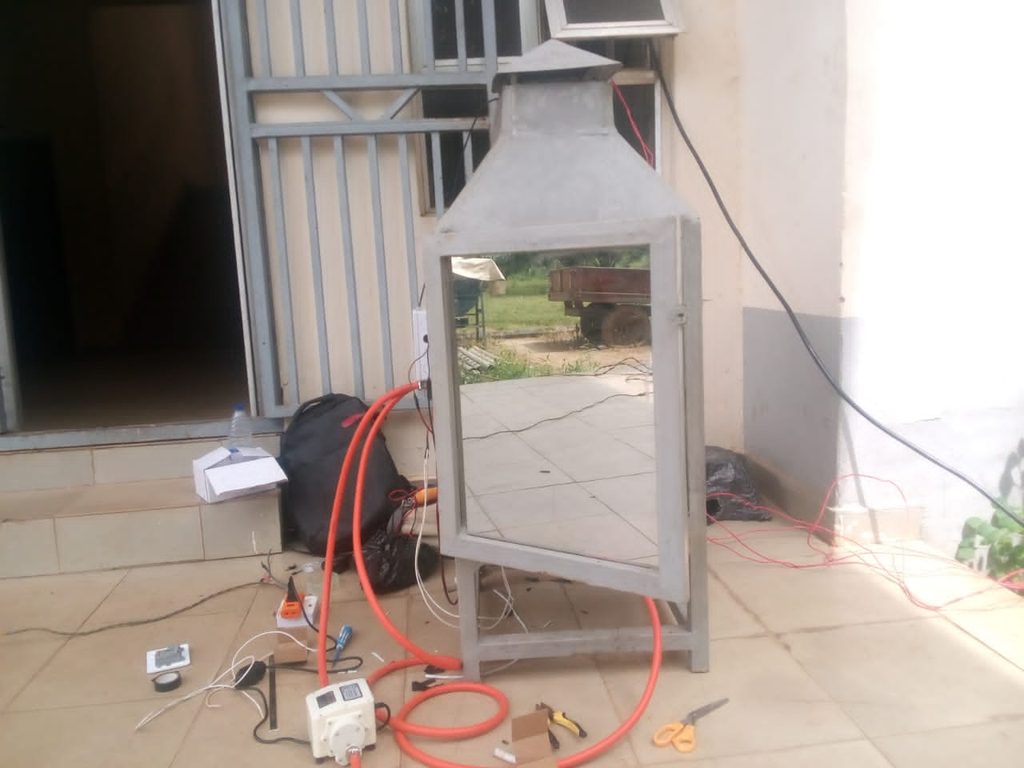
Earlier, the Team Lead, Eco-Synergy Innovations (Nig.) Ltd., Mr. Oluwagbemiga Adeboye, who conducted an interactive training session for farmers, advocated simple, affordable and efficient technologies for post-harvest handling, processing and preservation.
Mr. Adeboye, a graduate of the Department of Agricultural and Bio-Resources Engineering, College of Engineering (COLENG), and an awardee of the Federal Government Student Venture Capital Grant, noted that many farmers still experience significant losses due to inadequate processing and storage facilities. He stressed the need for technologies adaptable to different categories of farmers and capable of addressing challenges across the agricultural value chain.
He explained that technologies for farmers should be easy to operate, cost-effective and capable of delivering results quickly. According to him, efficient drying technologies could help farmers preserve produce, extend shelf life and improve market value.
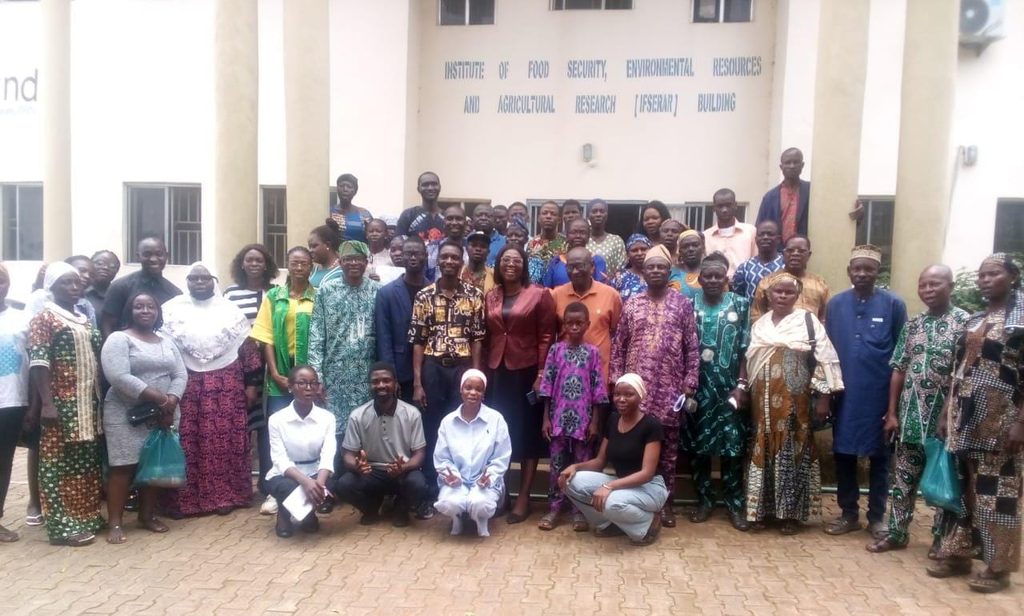
Speaking on tomato production, Mr. Adeboye observed that the highly perishable nature of tomatoes makes preservation a major challenge. He advocated improved processing technologies that would enable farmers to convert fresh tomatoes into value-added products, reducing wastage and increasing income.
He further called for stronger collaboration among researchers, farmers, extension agents, processors and other stakeholders to ensure effective transfer and adoption of agricultural innovations. Stakeholders were encouraged to sustain their commitment to innovation, partnership and knowledge-sharing towards building a more productive and sustainable agricultural sector.
#SDG1, #SDG2, #SDG4, #SDG9, #SDG17
