Last Updated on November 20, 2026 by Olasunkanmi Olajide
By Raymond Osemene
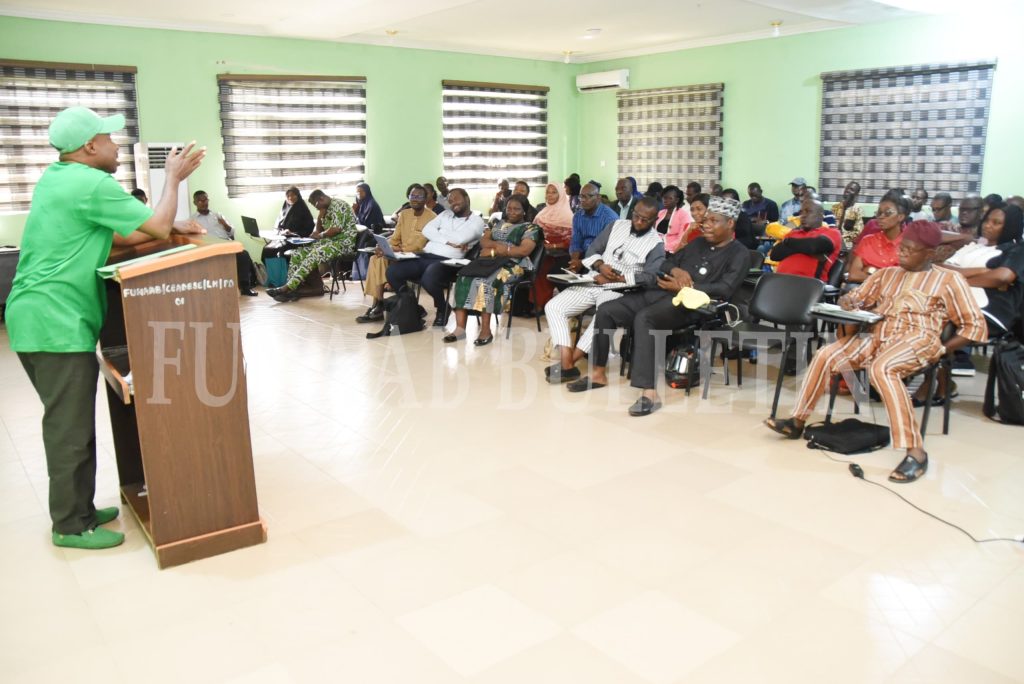
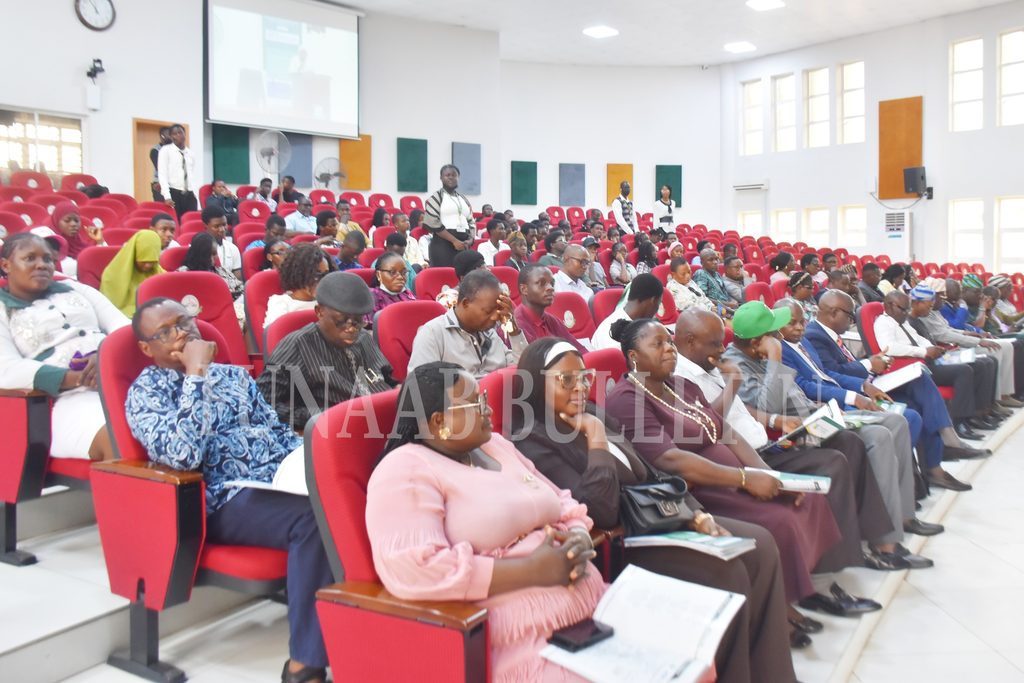
The Federal University of Agriculture, Abeokuta (FUNAAB), has reaffirmed its commitment to advancing research, innovation and community development through technology-driven solutions, as it hosted the 9th European Alliance for Innovation (EAI) International Conference on Innovations and Interdisciplinary Solutions for Underserved Areas. Held today, November 18, 2026, at the University’s Red Chamber, the conference brought together academics, researchers, industry professionals and innovators to explore solutions to societal challenges.
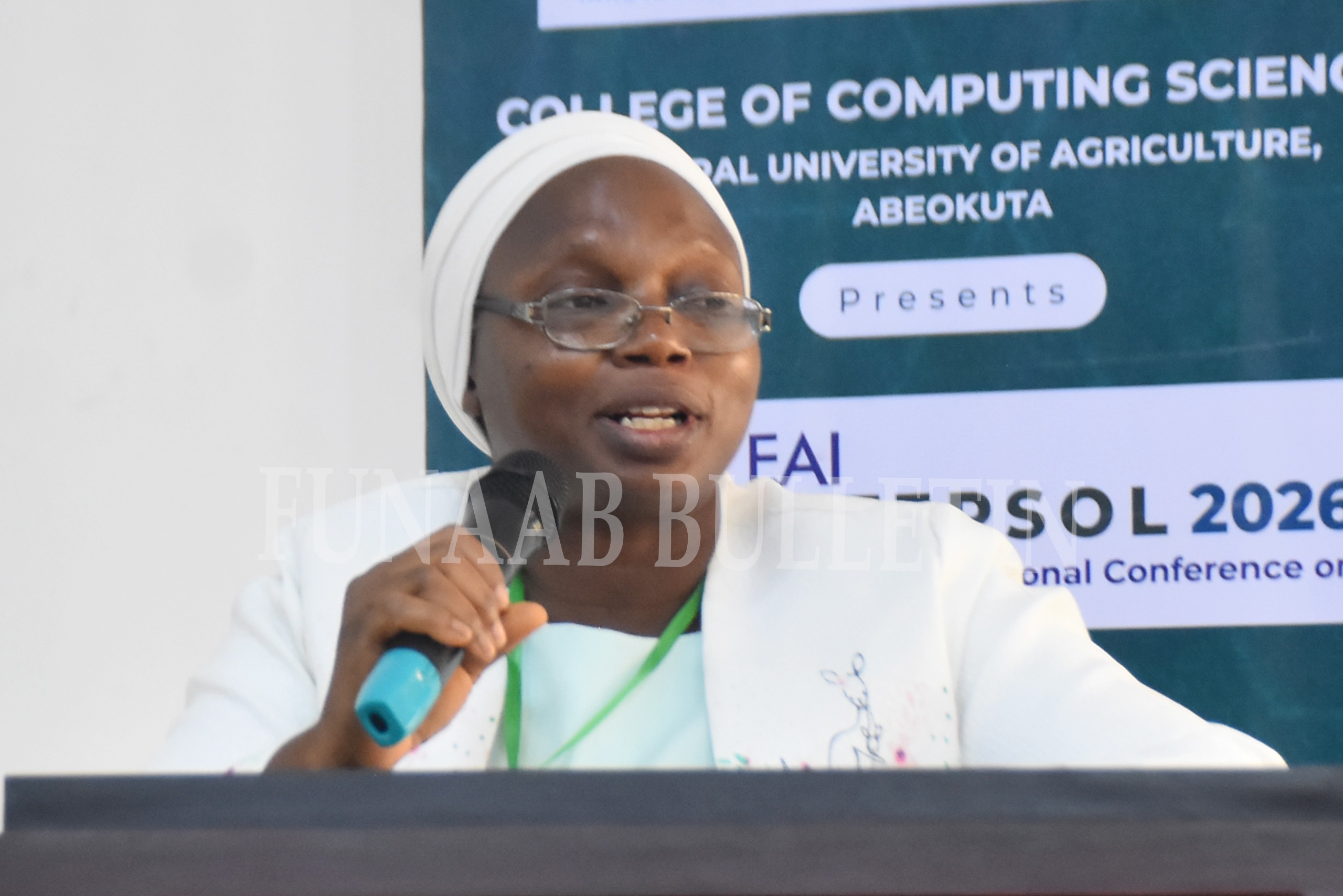
Declaring the conference open on behalf of the Vice-Chancellor, Prof. Babatunde Kehinde, the Chairperson, Admissions Committee (ADMICO), Prof. Comfort Sodiya, commended EAI and the Organising Committee for choosing FUNAAB as host institution. He described the theme, “Innovations and Interdisciplinary Solutions for Underserved Areas,” as timely, noting that millions of people worldwide still lack adequate infrastructure, economic opportunities and access to essential services.
The Vice-Chancellor emphasised that universities must evolve beyond teaching and research to become centres of innovation, knowledge transfer, entrepreneurship and community development. He highlighted FUNAAB’s commitment to interdisciplinary research through collaboration across agriculture, computing and engineering, identifying Artificial Intelligence (AI), the Internet of Things (IoT), data science and robotics as transformative tools for agriculture, healthcare, education and environmental management.
Prof. Kehinde, however, stressed that technological innovation must be accessible, affordable and relevant to community needs. He called for stronger partnerships among scientists, engineers, health professionals, policymakers and industry stakeholders to develop inclusive and sustainable solutions. He also urged researchers to translate discoveries into practical interventions that would improve agricultural productivity, farmers’ livelihoods and access to affordable technologies in rural communities.
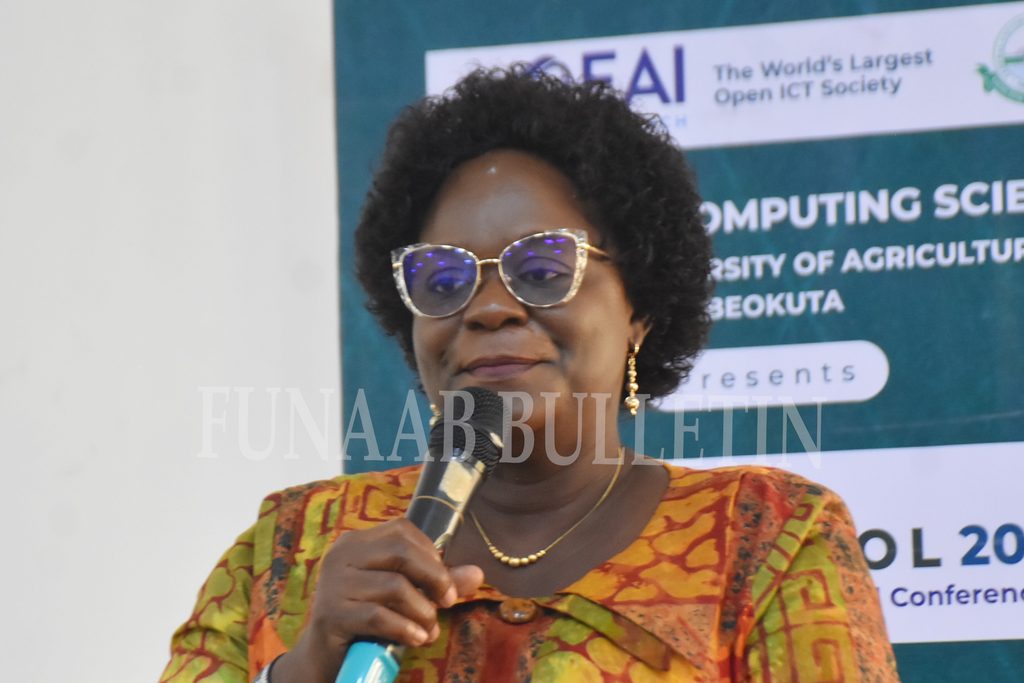
Earlier, the Dean, College of Computing Sciences (COLCOMPS), Prof. Oluwasefunmi Arogundade, described AI Intersol 2026 as an important platform for exploring interdisciplinary approaches to challenges in education, healthcare, infrastructure, food security and digital connectivity.

In his Welcome Address, the Chairman, Local Organising Committee (LOC), Prof. Olusegun Ojesanmi, appreciated the University Management, particularly the Vice-Chancellor, for providing the institutional support and enabling environment for the conference.
Delivering the first keynote lecture, titled “Innovation and Interdisciplinary Solutions for Underserved Areas: An Engineering, Data and Community-Centred Agenda for Nigeria,” the President, Nigerian Institute of Electrical and Electronic Engineers (NIEEE), Engr. Felix Adegboye, maintained that technology alone could not resolve the challenges facing underserved communities without consideration of their economic, social, cultural and institutional realities. He stressed that interventions must reflect local needs, affordability, community participation and sustainability.
Engr. Adegboye advocated increased investment in renewable energy, including solar home systems, mini-grids and hybrid power solutions, to support essential services and income-generating activities. Highlighting AI applications in crop disease detection, multilingual communication and infrastructure maintenance, he called for locally representative datasets, field validation, data privacy, human oversight and culturally relevant digital solutions.
In the second keynote lecture, titled “Bridging the Innovation Divide: Harnessing Emerging Technologies, Interdisciplinary Collaboration and Inclusive Digital Transformation to Empower Underserved Communities,” the Director, UNITeS CISCO Networking Academy, Lagos, Mr Toyin Olatayo, observed that millions remained excluded from technological opportunities despite advances in AI, data science, cybersecurity and digital connectivity. He identified unreliable internet connectivity, inadequate electricity, limited access to computing devices and poor digital infrastructure as major barriers, particularly in rural schools.
Mr Olatayo identified infrastructure, knowledge and skills, economic resources, institutional capacity and opportunities as five dimensions of the innovation divide. He advocated integrated problem-solving, stronger collaboration and a shift from academic publications to measurable societal impact, while identifying data science, AI, IoT and cybersecurity as critical drivers of inclusive development. He also cautioned against growing threats such as cyberattacks, fraud and identity theft.
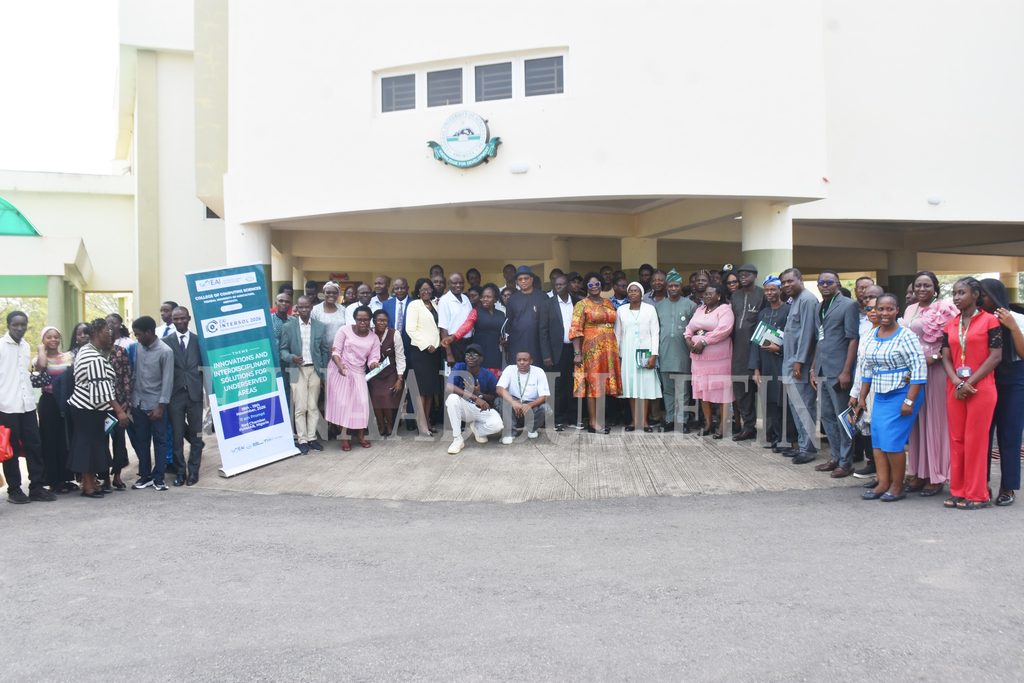
Describing universities as strategic agents of inclusive innovation, Mr Olatayo noted that FUNAAB was well positioned to contribute through its expertise in agriculture, computing, engineering, environmental science and entrepreneurship. He proposed cross-disciplinary innovation laboratories, community living laboratories, stronger industry-academia partnerships, entrepreneurship-driven technology education and effective research impact assessment, stressing that the success of partnerships should be measured by the societal challenges resolved and improvements made to people’s lives. The conference continues tomorrow, November 19, 2026.
#SDG4, #SDG7, #SDG9, #SDG10