Last Updated on December 23, 2025 by Olasunkanmi Olajide
By Femi Dansu
The Federal University of Agriculture, Abeokuta (FUNAAB), has reiterated the pivotal role of small-scale agro enterprises in enhancing food security, sustaining rural livelihoods, and driving inclusive economic growth, while stressing the urgent need to strengthen their resilience to the impacts of climate change.
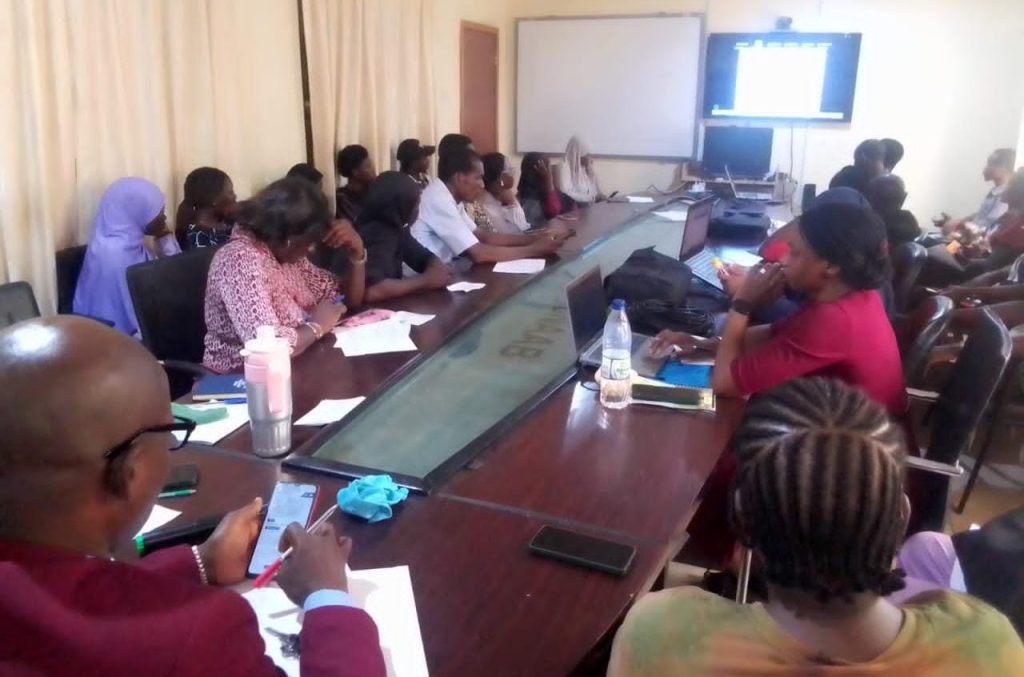
This was underscored at the Opening Session of the 2-Day DIGISOL Workshop on December 15, 2025, a capacity-building initiative focused on exploring sustainable climate finance solutions for small-scale agricultural enterprises.
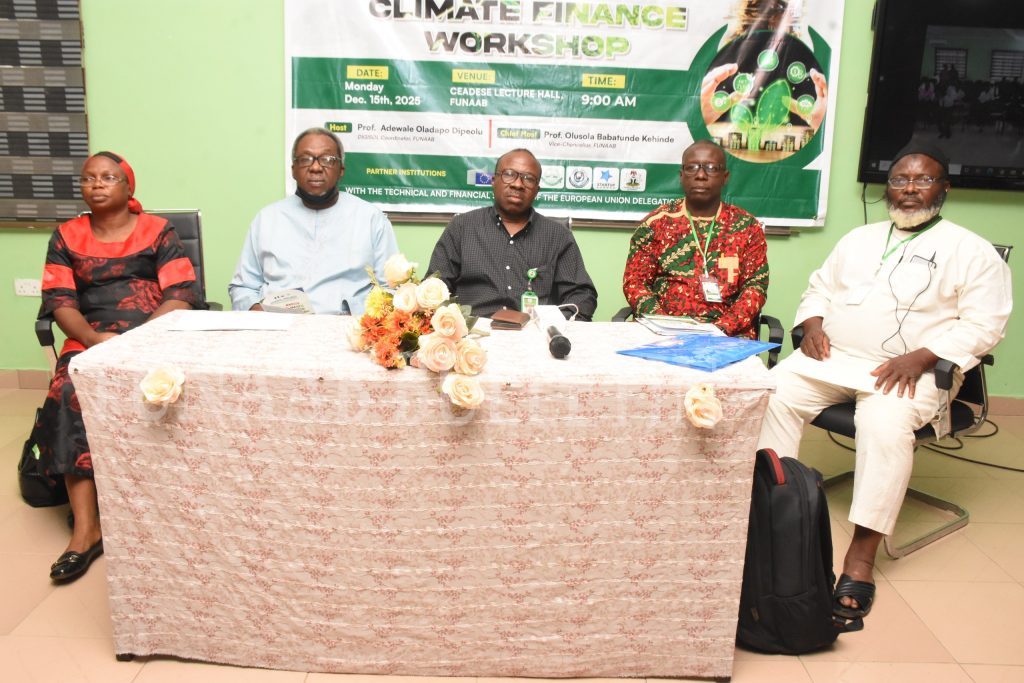
Declaring the workshop open on behalf of the Vice-Chancellor, Prof. Babatunde Kehinde, the Deputy Vice-Chancellor (Academic), Prof. Olusegun Idowu, noted that despite their importance, small-scale agro-enterprises remained highly vulnerable to climate change and are often excluded from conventional financing systems. He explained that sustainable climate finance offers a critical pathway to unlock innovation, enhance resilience, and scale up climate-smart investments across the sector.
According to the Vice-Chancellor, the DIGISOL Project has provided a unique platform for knowledge sharing, capacity development, and collaboration among policymakers, financiers, researchers, practitioners, and agro-entrepreneurs. He expressed confidence that the workshop’s interactive sessions would expose participants to innovative financing mechanisms, risk-mitigation strategies, and policy frameworks capable of attracting and sustaining investments in small-scale agro enterprises.
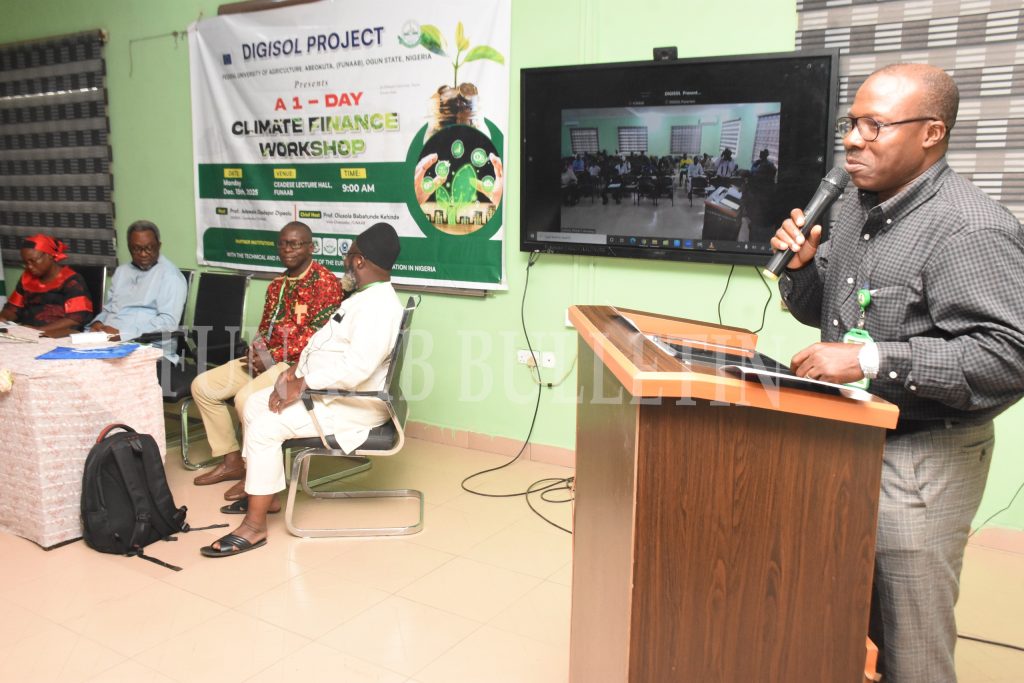
He encouraged participants to engage actively, share experiences, and explore partnerships that would translate deliberations into actionable outcomes capable of strengthening climate resilience, promoting sustainable agriculture, and delivering measurable socio-economic benefits to communities.
Earlier in his address, the DIGISOL Coordinator at FUNAAB, Prof. Adewale Dipeolu, disclosed that the workshop was the third in the DIGISOL series, following earlier editions hosted by the lead partner, the University of Agriculture and Environmental Sciences (UAES), Owerri, Imo State, and Al-Hikmah University, Ilorin, Kwara State.
Prof. Dipeolu observed that climate change was no longer a distant threat but a present reality with far-reaching implications for agriculture, Nigeria’s economic backbone and the primary source of livelihood for millions. He identified challenges such as erratic rainfall, prolonged droughts, flooding, and declining soil fertility as major threats to food security and rural incomes. He emphasised that climate finance presents an opportunity to transform agricultural systems through investments in climate-smart agriculture, sustainable land management, renewable energy for agro-processing, improved irrigation, and early-warning technologies.
He, therefore, called for strengthened partnerships among government, academia, the private sector, financial institutions, and development partners to ensure that climate finance effectively reaches farmers, agribusinesses, and rural communities.
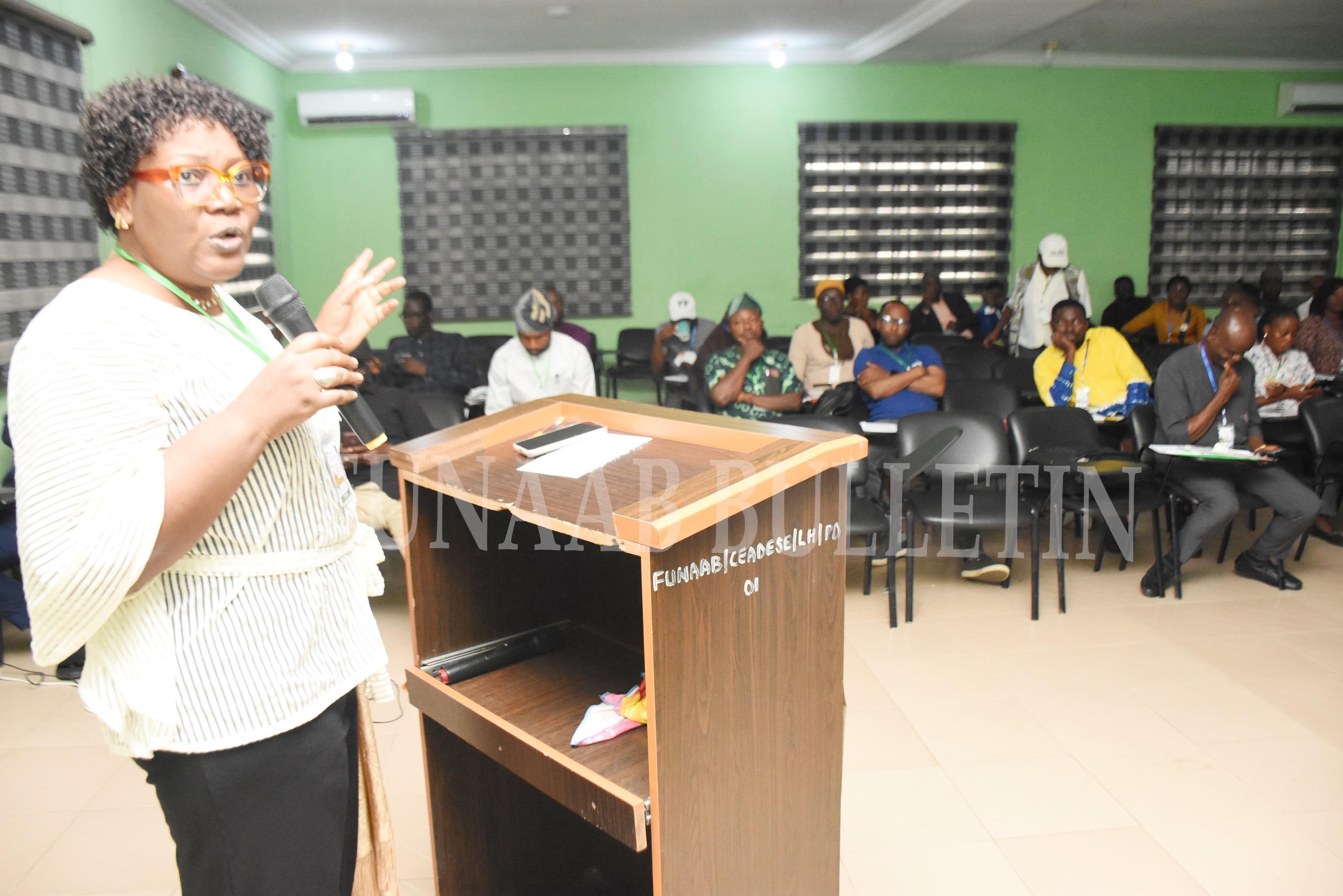
Delivering a keynote presentation, a finance expert, Dr. Chinedum Anowuru, spoke on accessing the Green Climate Fund (GCF), explaining that the fund supports farmers in adopting climate-resilient practices that enhance productivity and reduce climate risks. He outlined eligibility requirements and stressed the need for governments to establish Climate-Smart Agriculture frameworks, strengthen institutions, promote digital solutions, and foster strategic collaborations.
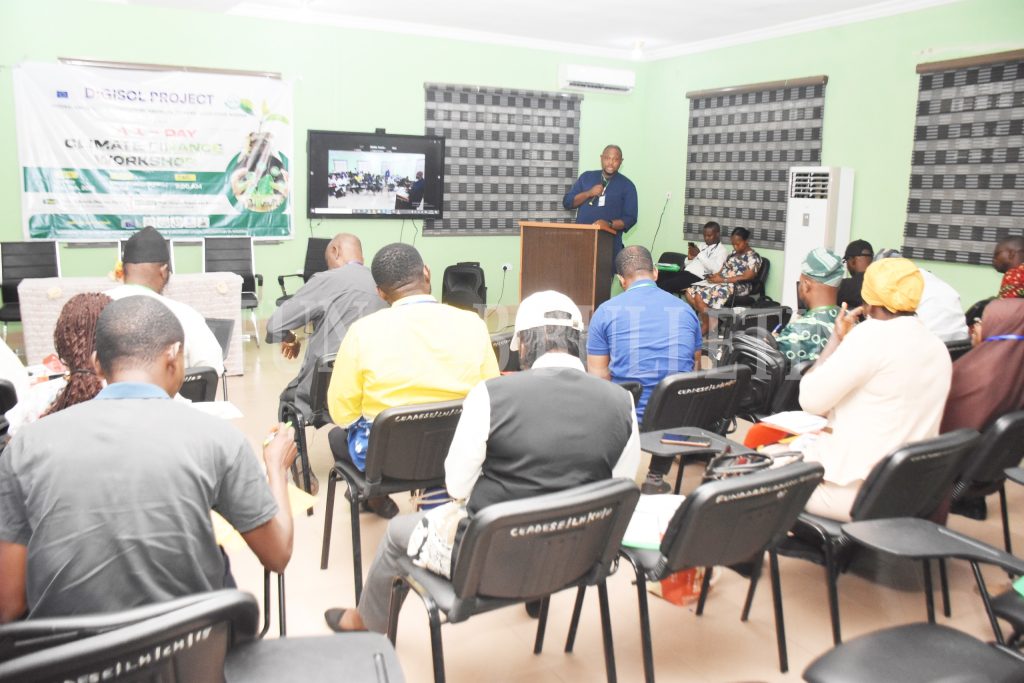
Another keynote speaker, Dr. Issa Adeleye, Director of Forestry, Non-Timber Forest Programmes, Wildlife and Ecotourism, Ogun State, spoke on Climate Change and Climate Finance Concepts, emphasising the need to build resilience, attract and efficiently manage climate finance, and achieve a food-secure Ogun State.
In a separate keynote address, Dr. Chikamso Apeh, UAES Youth Expert, spoke on Accessing Agricultural Finance Initiative (AgriFI) and Local Climate Adaptation Living (LoCAL). He urged the government to align financing with climate realities through integrated AgriFI–LoCAL frameworks, invest in youth capacity development, and position Ogun State as a national model for youth-led, climate-resilient agriculture.
From a gender perspective, Prof. Petra Abdulsalam-Saghir, a Gender Specialist at FUNAAB, delivered a presentation titled Exploring Climate Finance Options under EDFI: Accessing AgriFI and LoCAL from a Gender Perspective. She advocated inclusive policies that remove barriers for women and youth, gender-responsive financial products, and locally driven climate finance models, noting that mainstreaming gender enhances the effectiveness and sustainability of climate finance.
Other presentations included sessions on accessing green finance products, such as green loans, grants, and carbon credits by Mr. Aluko Adebowale, State Coordinator and Climate Finance Blending Facilities, focusing on intra-credit products and energy financing, by Mr. Olugbenga Adelana.
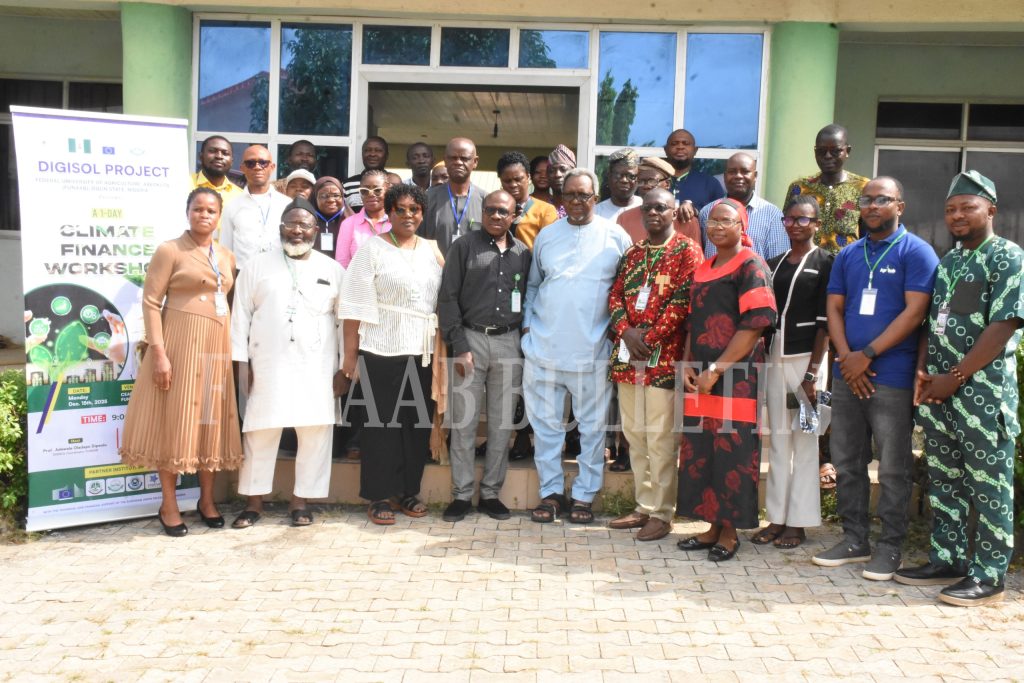
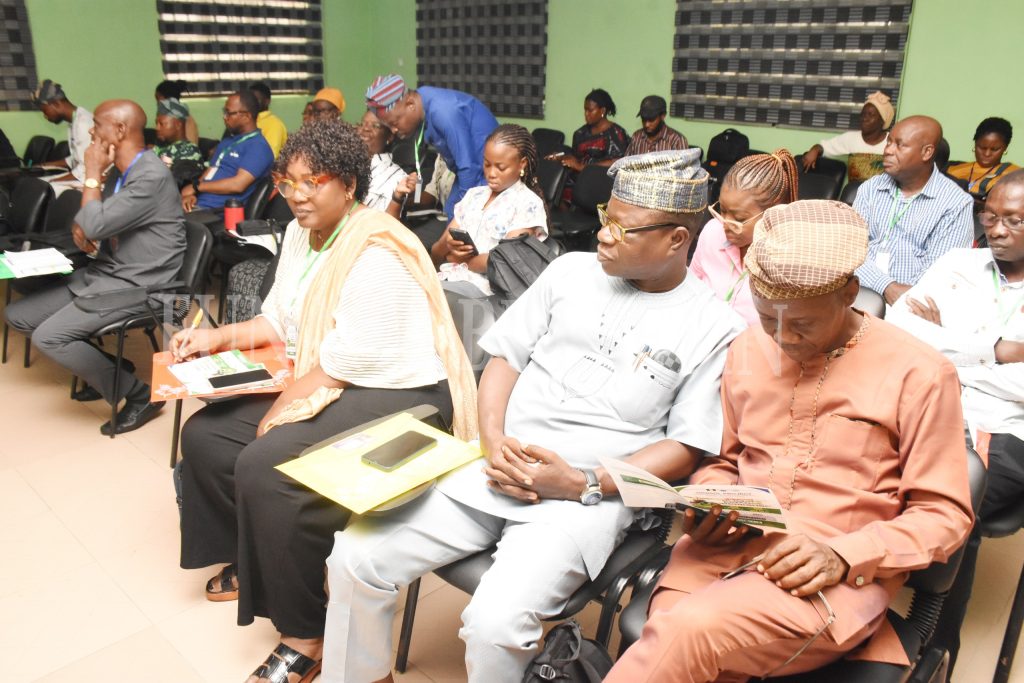
The workshop attracted researchers, and academic staff from within and outside FUNAAB.
*