Last Updated on December 23, 2025 by Olasunkanmi Olajide
By Joy Adeyiga
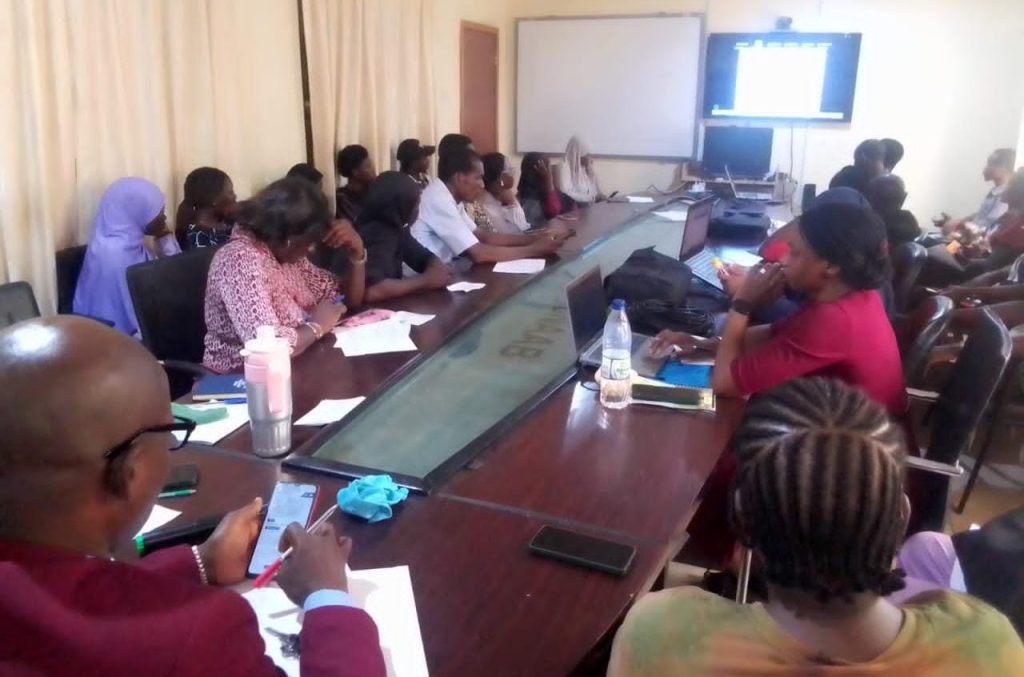
The Federal University of Agriculture, Abeokuta (FUNAAB), today, December 10, 2025, hosted the maiden edition of the International Conference on Climate-Smart Agriculture (ICCSA), convening global researchers, policymakers, development partners and practitioners to advance resilient and productive agricultural systems in the face of climate change.
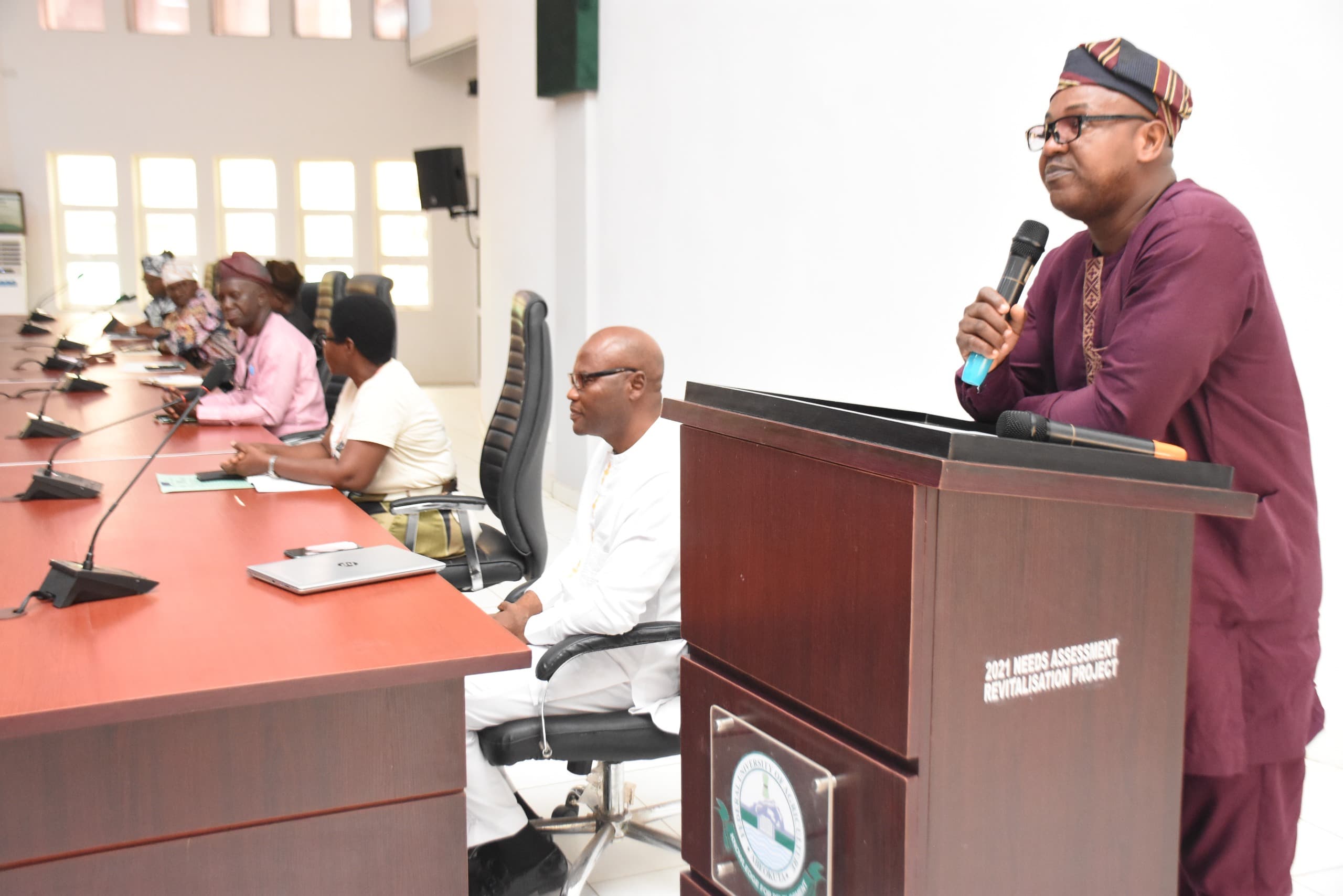
Declaring the conference open, the Vice-Chancellor, Prof. Babatunde Kehinde, represented by the Deputy Vice-Chancellor (Development), Prof. Olawale Dairo, described the gathering as more than a routine academic engagement, but a mission-driven response to the growing threats posed by climate change to food security and livelihoods. He noted that the conference theme, “Advancing Climate-Smart Innovations for Resilient and Productive Agriculture in the Third World,” aptly reflected the urgency of translating research into practical solutions.
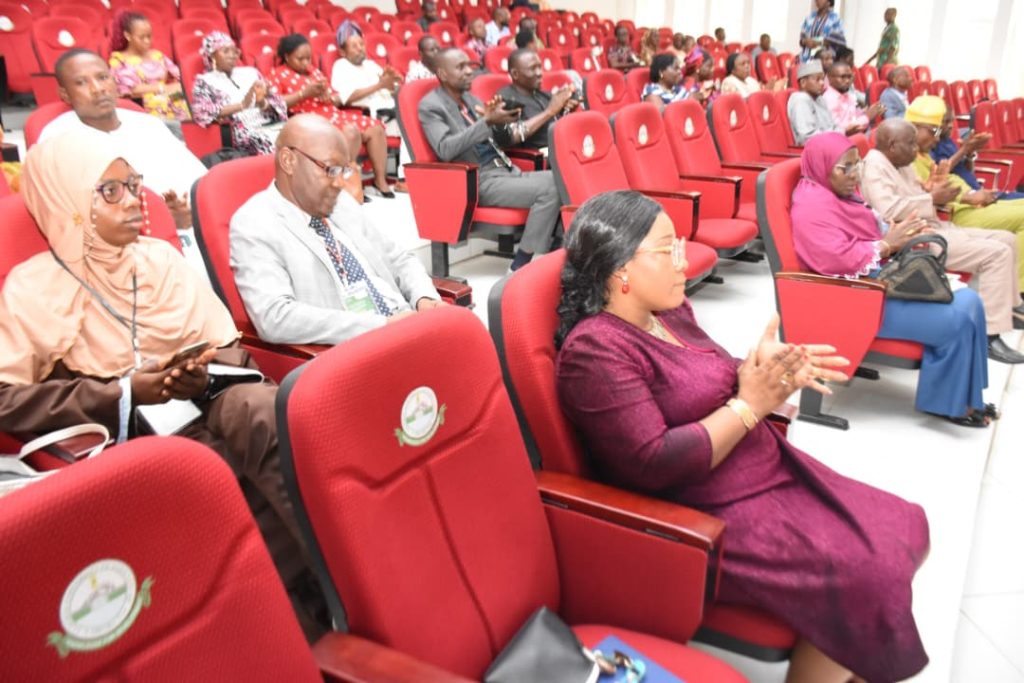
Commending the Institute of Food Security, Environmental Resources and Agricultural Research (IFSERAR) for initiating the conference, the Vice-Chancellor emphasised that Climate-Smart Agriculture (CSA) offers a viable pathway to boosting productivity, strengthening resilience and reducing emissions. He urged participants to engage in open, collaborative discussions capable of generating real-world impact, while also highlighting the strategic importance of the conference in strengthening international partnerships, influencing policy and positioning FUNAAB as a hub for climate-focused innovation.
Delivering the keynote lecture titled “Building a Resilient Agricultural Future,” Prof. Ademola Braimoh stressed that the conference was designed to reshape the future of agriculture. According to him, the ultimate goal was to equip farmers not only with hope, but with practical tools and innovations that can sustain food systems amid escalating climate challenges.
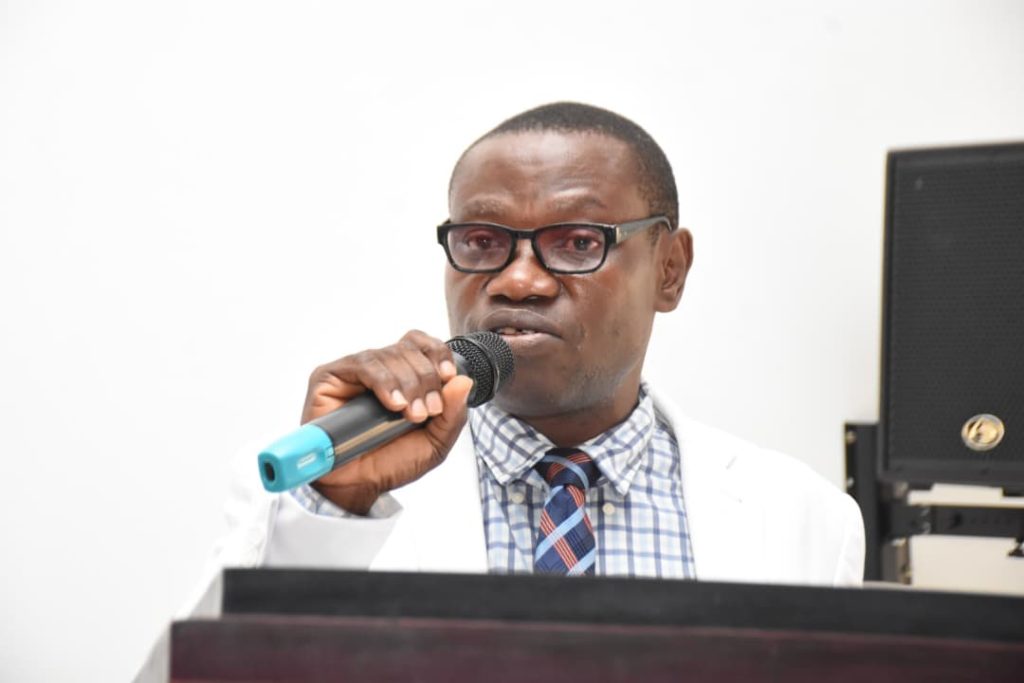
In a goodwill message on behalf of the Director-General of the Nigerian Meteorological Agency (NiMet), Mrs. Mutiat Solademi charged participants to become champions of climate-smart agriculture. She called for stronger policies, increased investment in research and the empowerment of farmers with climate information and adaptive tools, stressing that sustainable agriculture must be both resilient and economically viable for future generations.
Similarly, the Executive Director of the Environmental and Economic Resource Centre (EERC), Dr. Oluwatoyin Adeyanju, represented by the Programme Manager, Mrs. Ronke Adeniyi, highlighted Nigeria’s growing exposure to climate risks and the need for long-term food system resilience. She outlined EERC’s interventions, including support for strengthened local seed systems in Northern Nigeria, distribution of organic fertilisers and biogas technologies to over 7,000 farmers, and the deployment of the Sapelli digital tool to enhance farmers’ access to climate and extension services.
Earlier, the Chairman of the Local Organising Committee (LOC), Prof. John Oyedepo, described ICCSA 2025 as a defining moment for Africa’s agricultural future. He explained that the conference was conceived in response to persistent climate-induced challenges such as soil degradation, erratic rainfall, pest infestations and dwindling water resources. He disclosed that activities lined up include keynote lectures, policy dialogues, exhibitions, hands-on demonstrations and technical sessions on regenerative agriculture, precision irrigation, climate finance, digital agriculture, early warning systems and clean energy innovations. He added that ICCSA is expected to become a biennial global event rotating across Africa and other developing regions.

Welcoming participants, the Director of IFSERAR, Prof. Kazeem Bello, represented by Prof. Tolulope Oyekale, reaffirmed the Institute’s leadership in climate-resilient agricultural research. He highlighted flagship initiatives such as the Muturu and Kalawad livestock improvement projects, the Urban Agriculture Project, and the Early Warning and Geospatial Laboratory with satellite data capabilities. He also cited advances in climate-smart crops, including FUNAABOR 1 rice, improved oilseed varieties, aquaculture, biotechnology, remote sensing, drone monitoring and value-chain optimisation, while calling on agritech firms, investors and policymakers to partner with IFSERAR in scaling these innovations.
Overall, presentations at ICCSA 2025 underscored the urgent need for collaboration, innovation and sustained investment to safeguard agricultural productivity under climate pressure. The conference is expected to yield actionable frameworks, cross-border partnerships and climate-smart networks linking researchers, extension systems and farming communities, with technical sessions and exhibitions continuing over the coming days.