Last Updated on December 25, 2025 by Olasunkanmi Olajide
… Train over 400 Participants on Wealth Potential in Farm Waste
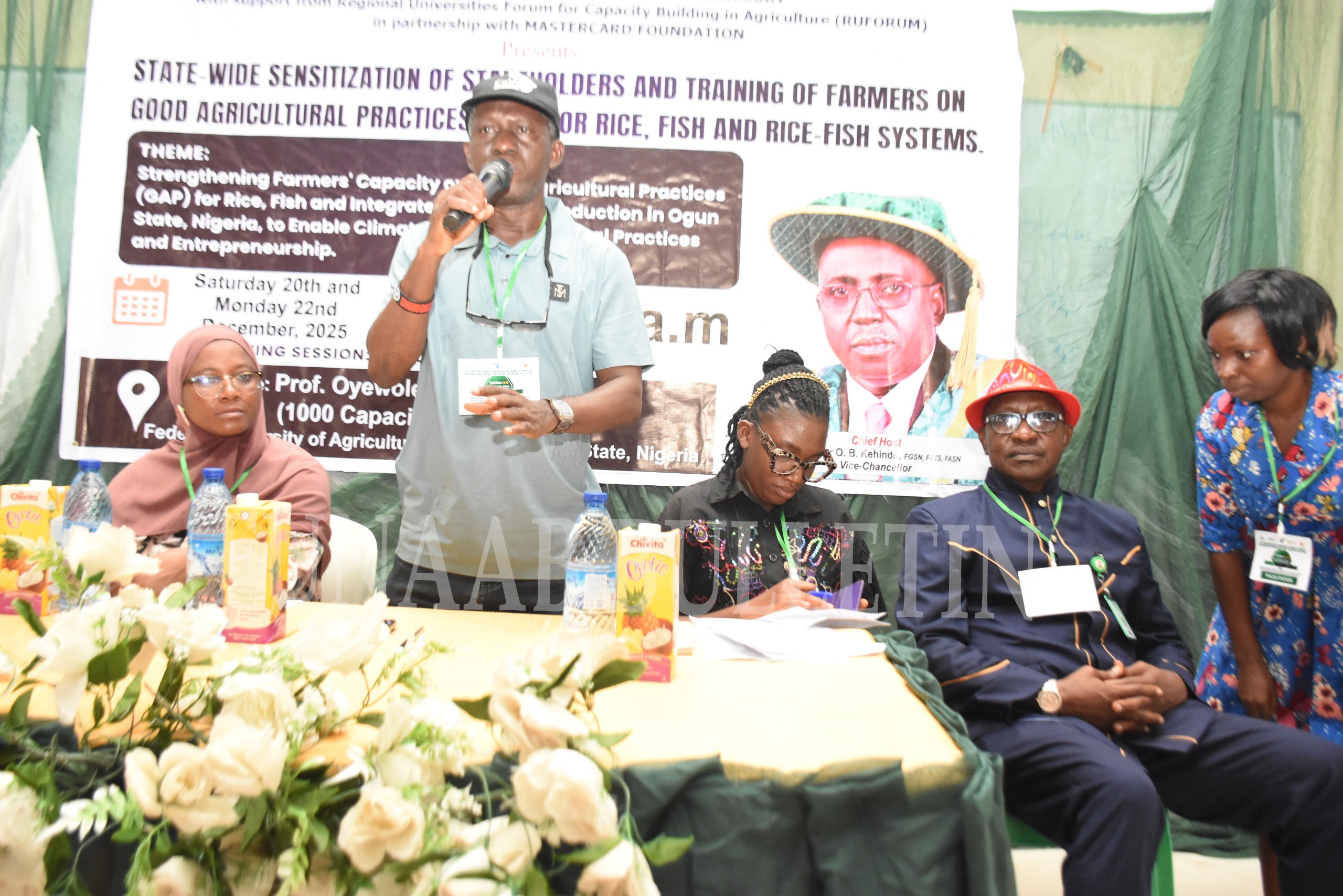
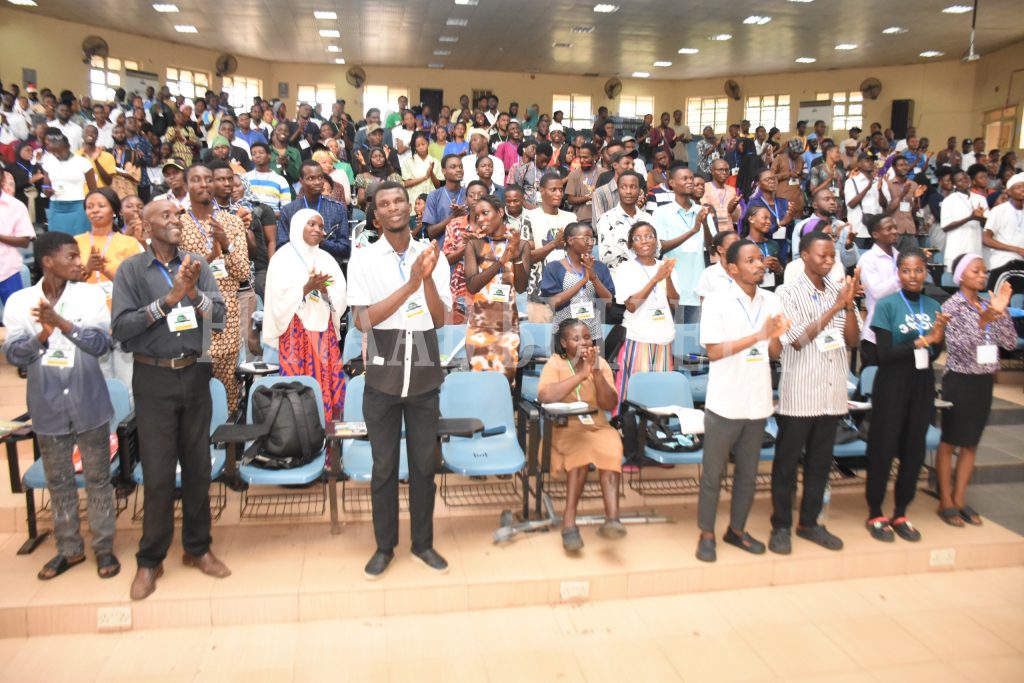
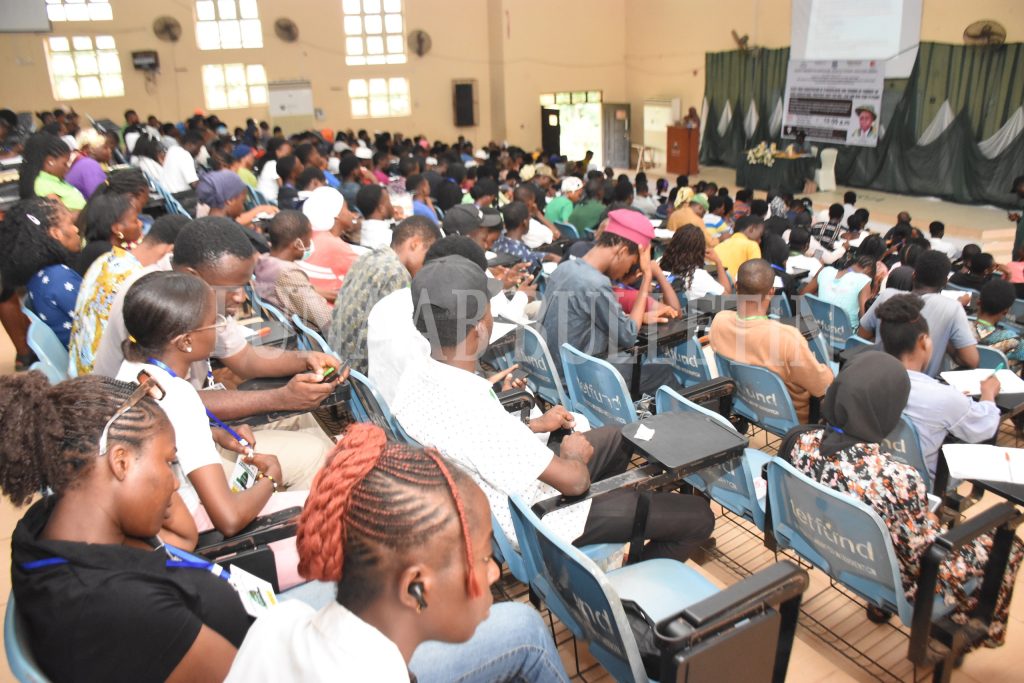
The Federal University of Agriculture, Abeokuta (FUNAAB), in collaboration with the TAGDEV 2.0 Programme of the University of Port Harcourt and with support from the Regional Universities Forum for Capacity Building in Agriculture (RUFORUM) and the Mastercard Foundation, has concluded a two-day Agricultural Capacity Training Workshop aimed at promoting sustainable agriculture and value addition.
According to the Ag. Head, Directorate of Public Relations, FUNAAB, Mr. Olasunkanmi Olajide, the workshop, which ended today, December 22, 2025, trained over 400 participants and equipped them with practical skills and knowledge in climate-smart agriculture, sustainable production practices and innovative value-chain development capable of improving livelihoods, enhancing food security and driving inclusive development.
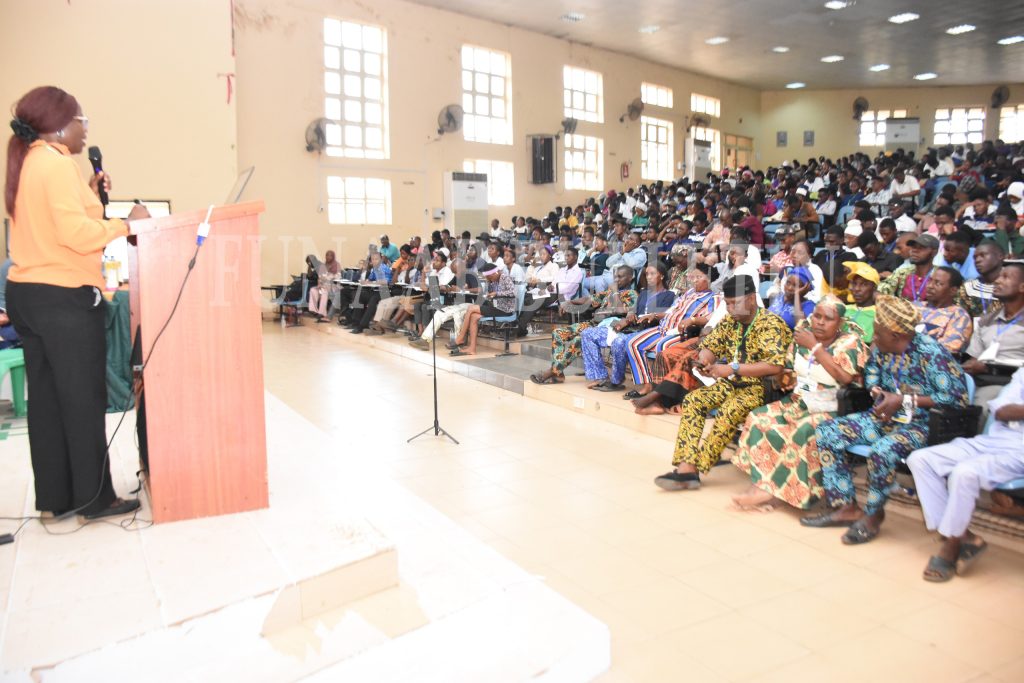
Mr. Olajide explained that the training featured expert-led sessions on wealth creation from farm waste, improved rice storage and processing, sustainable lowland rice production and climate change mitigation strategies, all tailored to address contemporary challenges in Nigeria’s agricultural sector.
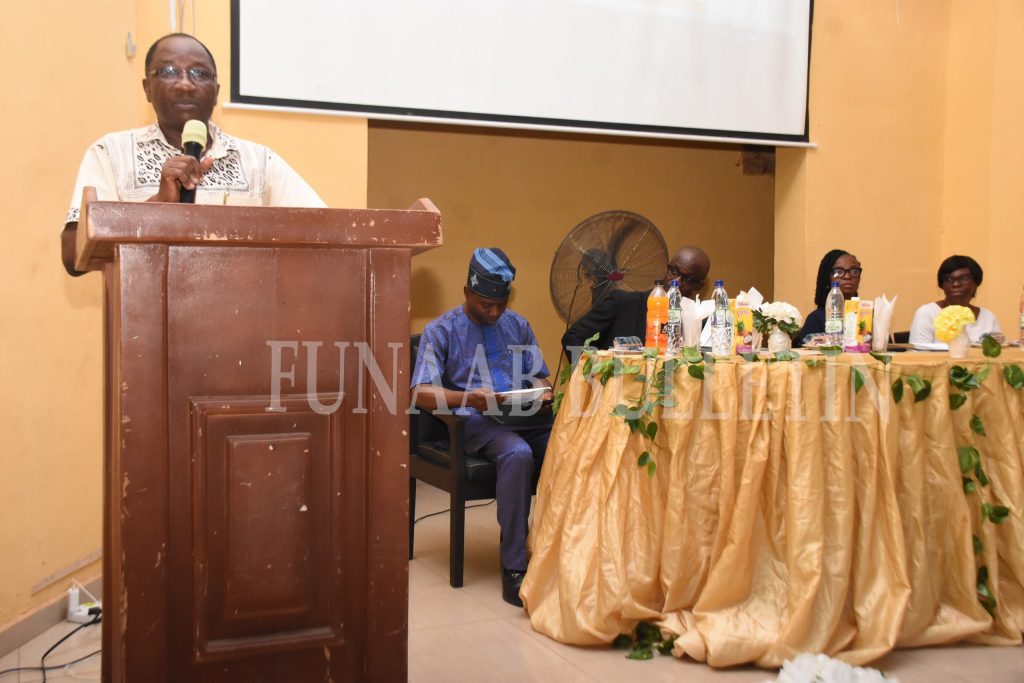
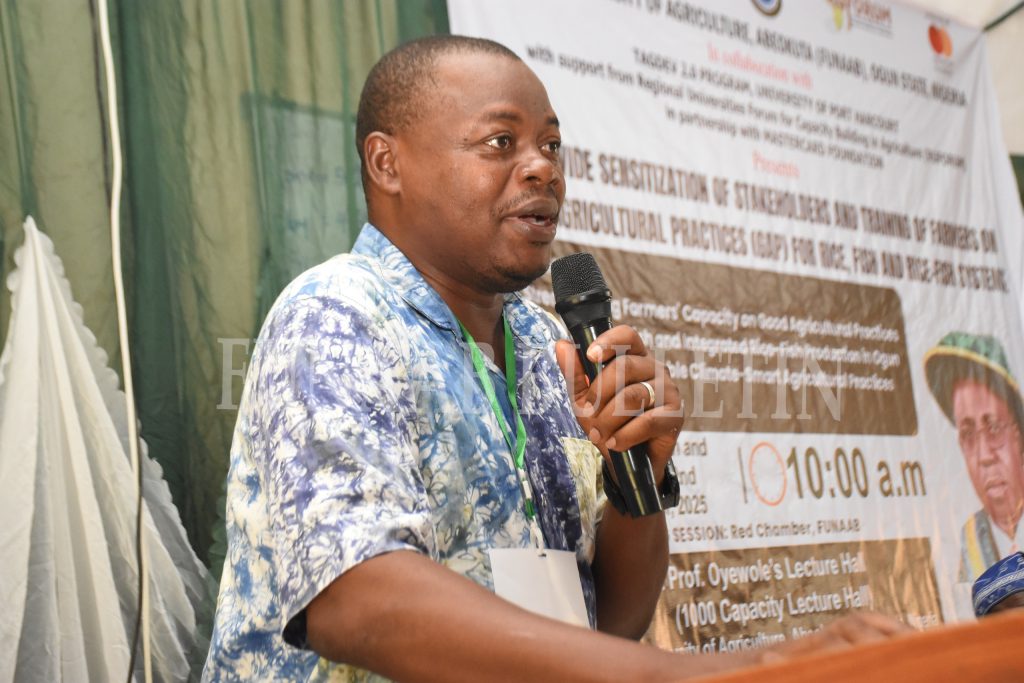
Delivering a presentation on “Opportunities and Prospects of Wealth Creation from Farm Waste,” Dr. Risikat Akinbode encouraged participants to view agricultural waste as a valuable economic resource rather than refuse, identifying crop residues, livestock waste and fish-processing by-products as viable materials for income generation, job creation and environmental sustainability.
She identified wastes from crop production, livestock rearing and fish processing, such as rice straw, maize stover, cassava leaves, poultry droppings, cow dung and fish remnants, as largely underutilised materials that are often burnt or discarded, leading to pollution and economic losses.
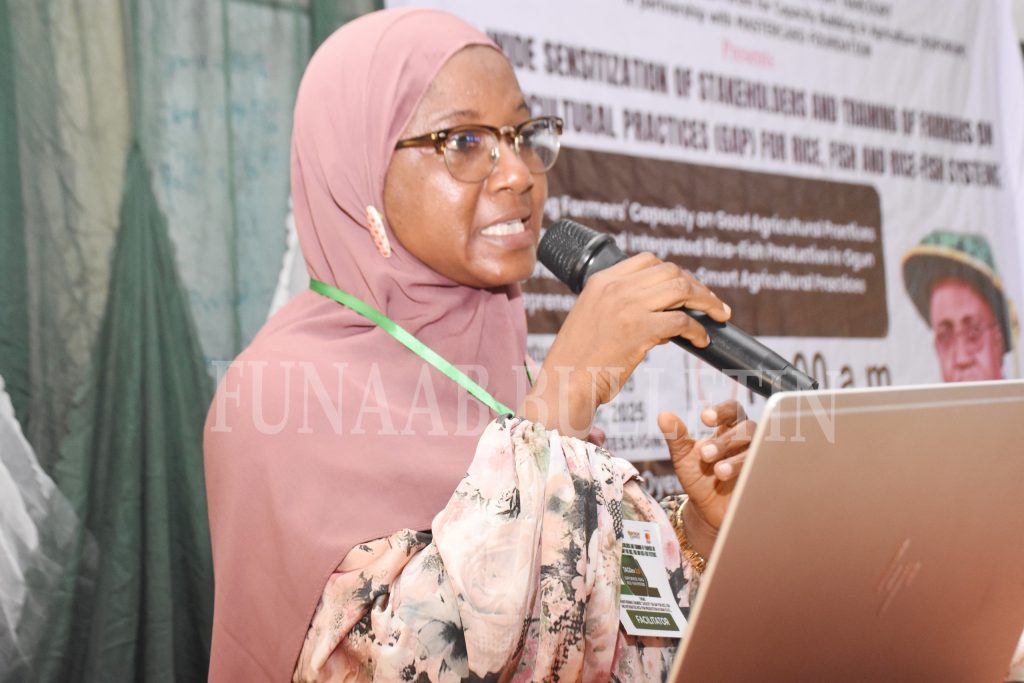
Citing national statistics, Dr. Akinbode noted that over 40.2 million Nigerian households depend on agriculture, generating huge volumes of farm waste with significant wealth-creation potential. She outlined opportunities in animal feed production, organic fertiliser, briquettes and biochar, encouraging participants to assess locally available resources, adopt suitable value-addition models and begin on a small scale with expansion plans. She stressed that farm waste, particularly within rice–fish value chains, remains an untapped asset for income, sustainability and employment.
In her presentation on rice storage and processing for improved market patronage, the Ag. Head, Department of Nutrition and Dietetics, College of Food Science and Human Ecology (COLFHEC), Dr. Oluwafunke Akinbule, highlighted the substantial nutrient losses associated with conventional rice milling methods. She emphasised the need for improved milling and parboiling techniques to enhance the nutritional quality of locally produced rice, especially Ofada rice.
Dr. Akinbule explained that conventional milling removes about 84–85 percent of the rice grain by stripping off the bran and aleurone layers, which constitute roughly 13 per cent of the grain and are rich in essential nutrients such as vitamins B1 and B2, phosphorus, fibre and moderate fat. She warned that such losses expose consumers who rely heavily on rice to nutrient deficiencies. To address this, she advocated under-milling, production of unpolished rice, effective parboiling techniques and rice fortification using premixed multivitamins and iron pyrophosphate coatings that withstand washing, cooking and storage.
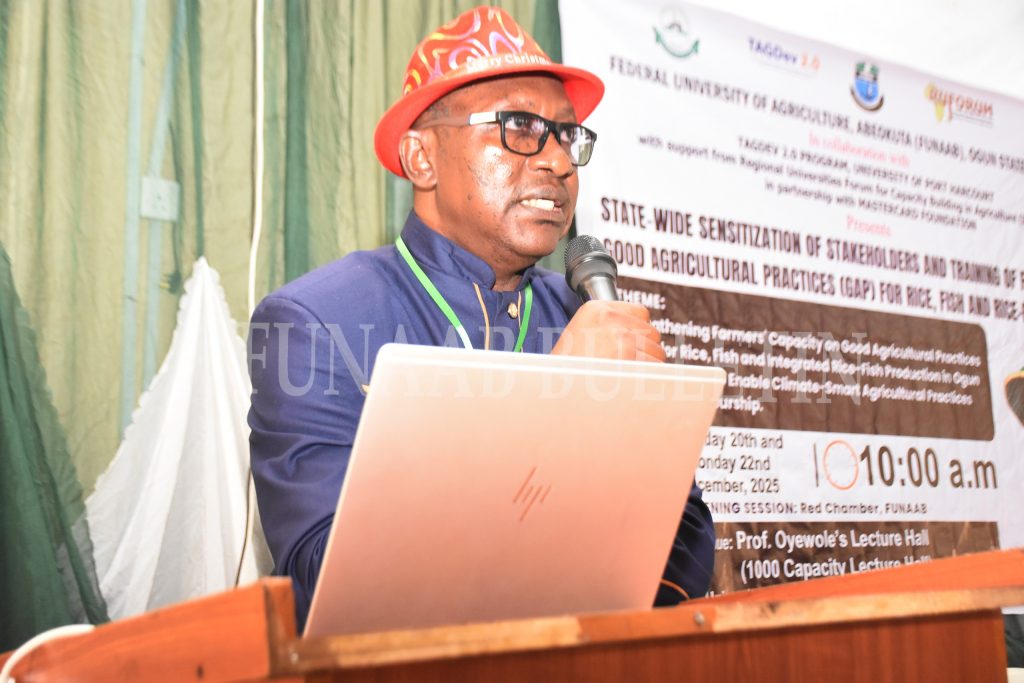
Speaking on sustainable lowland rice production, Dr. Paul Soremi underscored the importance of diversification and climate-smart agriculture, cautioning that monoculture systems contribute to greenhouse gas emissions, declining yields and nutritional deficiencies. Drawing from global research, he noted that integrated farming systems, particularly rice–fish farming, could increase yields by up to 20 per cent through reduced production costs, natural weed control and improved soil fertility, while also promoting biodiversity and reducing reliance on chemical inputs.
On climate change mitigation, Dr. Soremi explained that integrated systems help reduce methane emissions from prolonged flooding and nitrous oxide emissions from excessive use of inorganic fertilisers. He described climate-smart agriculture as an approach that enhances productivity, builds resilience and lowers emissions, built on four pillars that are economic viability, environmental sustainability, food safety and quality, and social acceptability, adapted to local ecological and socioeconomic realities.

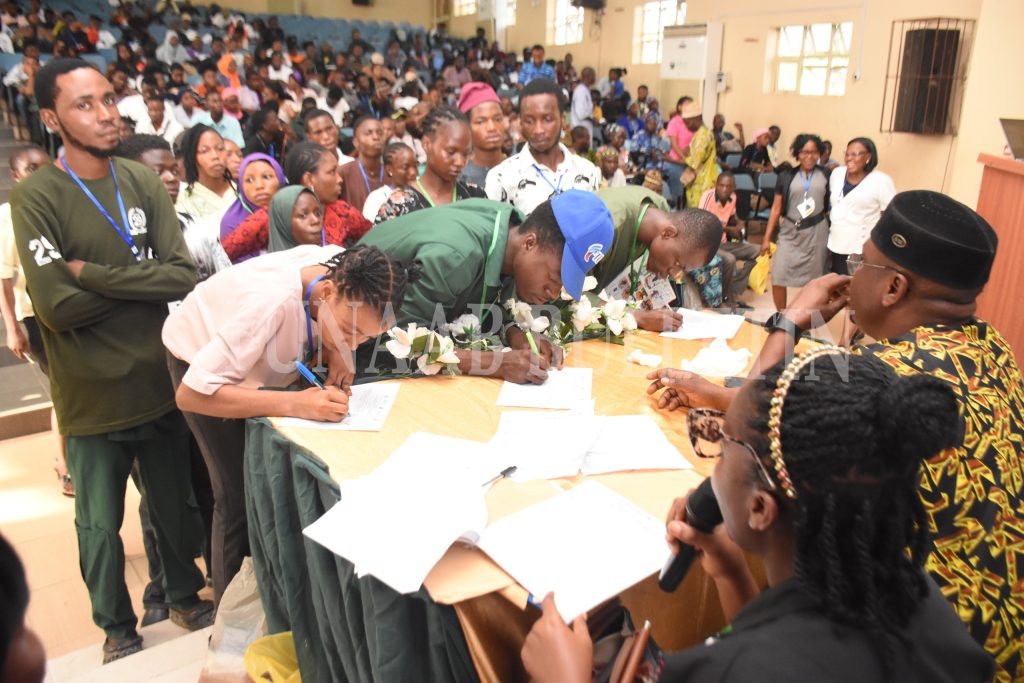
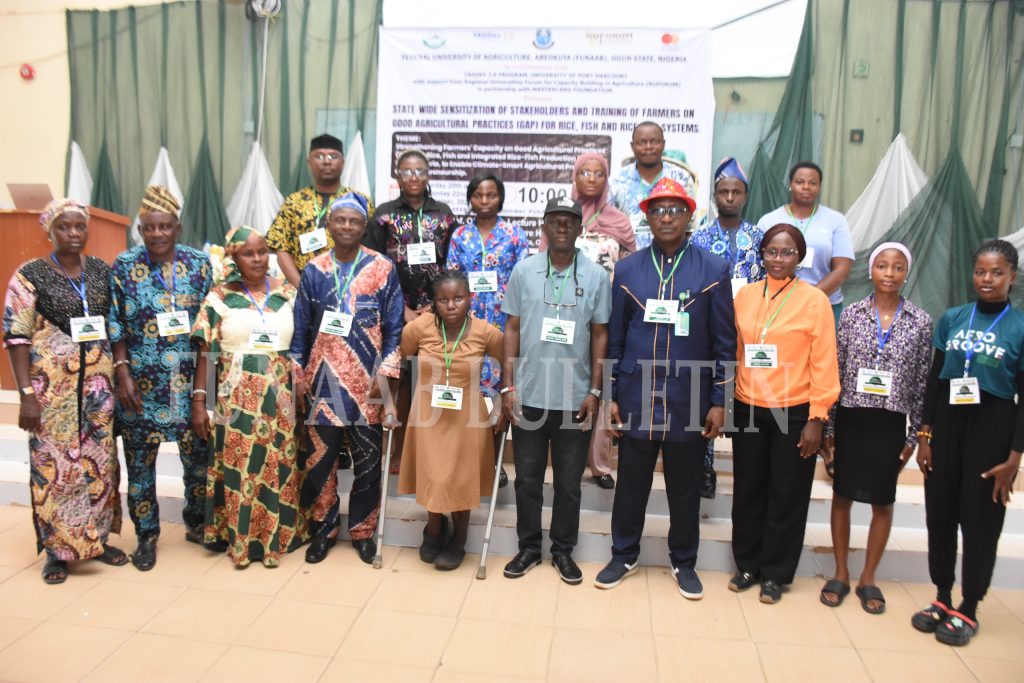
Speaking on the sidelines of the workshop, Miss Ajayi Temitope, a 400-level Microbiology student, and Mr. Olaoluwa Ogbeta, a 500-level student of Animal Production and Health, both differently abled persons, described the training as highly educative and impactful, pledging to apply the knowledge gained to their academic and professional pursuits.
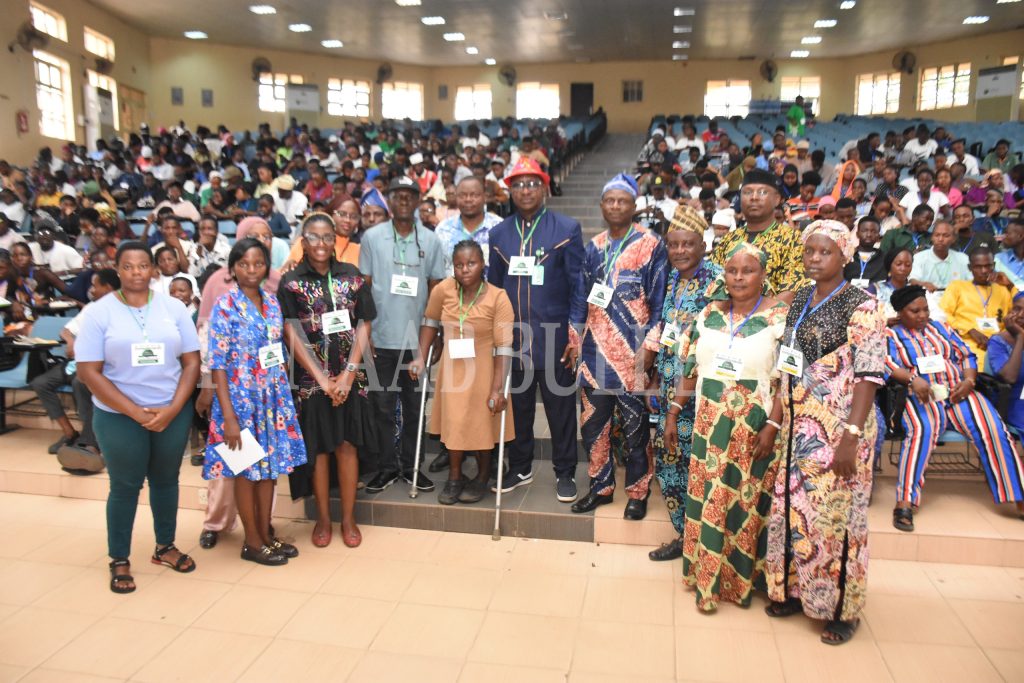
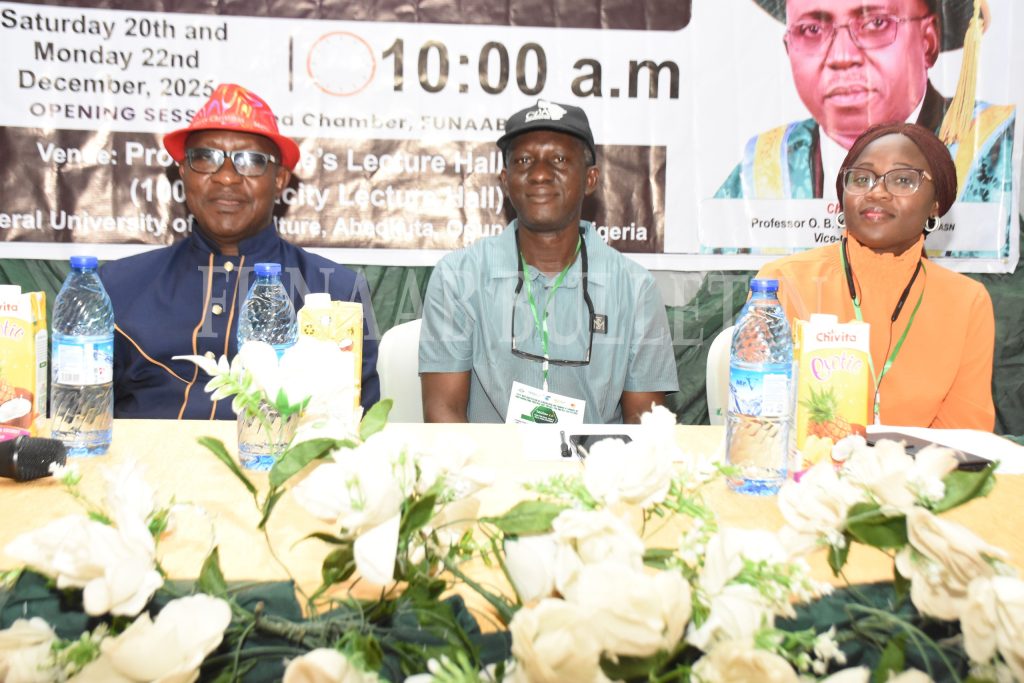
Earlier, on Day One of the workshop, the Vice-Chancellor, Prof. Babatunde Kehinde, reaffirmed FUNAAB’s commitment to advancing sustainable agriculture, food security and inclusive capacity development. He described the TAGDEV 2.0 initiative as fully aligned with the University’s mandate of Teaching, Research and Community Development, noting that FUNAAB was keen to participate both as a receiving and sending University. He also highlighted the initiative’s scholarship opportunities for undergraduate, Master’s and PhD students across Africa.
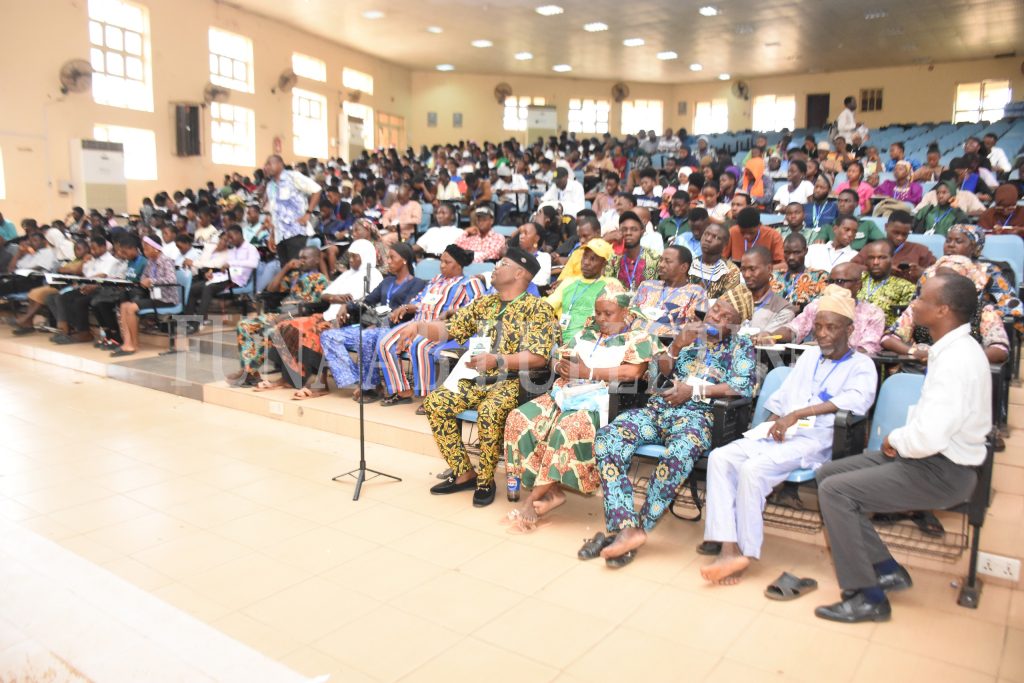
The Vice-Chancellor commended the project partners for their vision and charged participants to maximise the training, stressing that good agricultural practices would enhance productivity, improve livelihoods and strengthen resilient food systems.
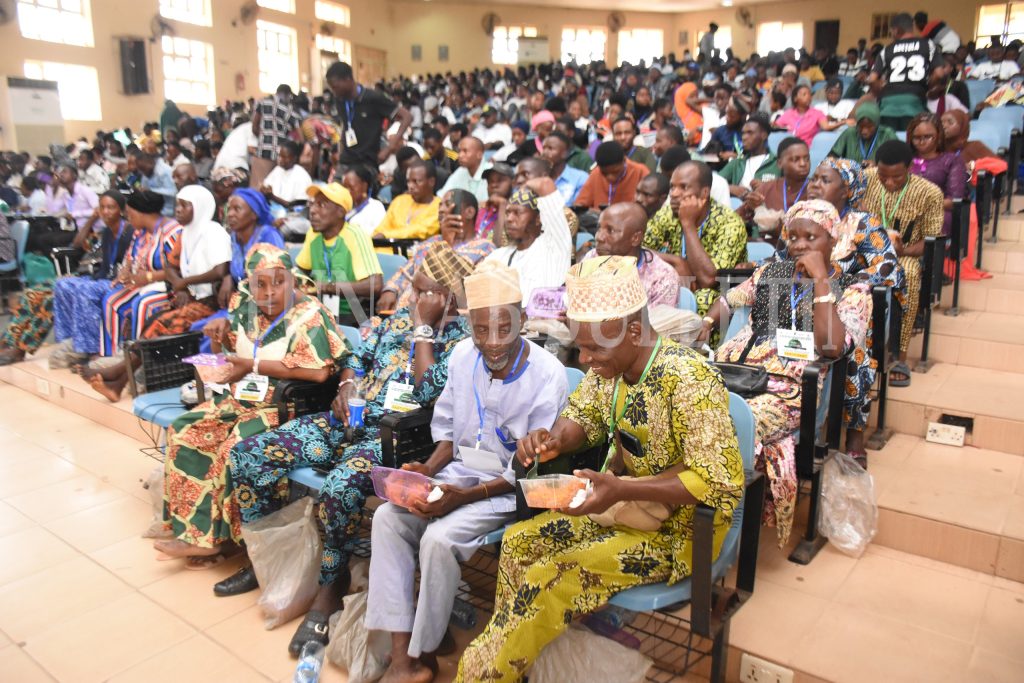
Dignitaries at the workshop included the Provost, Federal College of Agriculture, Ibadan (FCAIB), Prof. Jonathan Atungwu; Dean, College of Plant Science and Crop Production (COLPLANT), Prof. Bolarinwa Senjobi, who represented the Vice-Chancellor on the 2nd day; the Director, Agricultural Media Resources and Extension Centre (AMREC), Prof. Jacob Olaoye; farmers from across Ogun State; commercial livestock keepers; and students from various Colleges, all of whom participated in practical sessions on converting agricultural waste into profitable ventures.