
Last Updated on February 18, 2025 by Olasunkanmi Olajide
By Olasunkanmi Olajide
The long-anticipated 3MW Hybrid Solar Power Project at the Federal University of Agriculture, Abeokuta (FUNAAB) has reached a significant milestone, delivering an uninterrupted electricity to more than half of the University’s facilities.
The World Bank-sponsored project, which began following the signing of a Memorandum of Understanding (MoU) with the Rural Electrification Agency (REA), is now fully operational. With its implementation, FUNAAB has joined the ranks of Nigerian universities leveraging renewable energy to enhance academic and residential experiences.
Several key areas within FUNAAB now enjoy uninterrupted power, revolutionising the University’s infrastructure and ensuring efficiency in academic and student life. Among the first beneficiaries were all the student hostels which included the Umar Kabir Male Hostel, Iyalode Tinubu Female Hostel, the NEEDS Assessment Hostels, and Bisi Soboyejo Hostel, along with other student accommodations, are now connected to the solar grid, providing students with stable electricity round the clock.
Other places included the Academic Core and Administrative Buildings which were the Senate Building, Unity Building, Microfinance Bank, Information and Communication Technology Resource Centre (ICTREC), Pension Office, Directorate of Audit, Directorate of Public Relations (DPR), and the Prof. Kolawole Salako Academic Building Complex have also transitioned to solar power.
All the Colleges, including major academic facilities such as the Prof. Olusola Oyewole Lecture Theatre, Mahmoud Yakubu Lecture Theatre, 750 Science Laboratories, 500-seater and 250-seater Computer Laboratories, and the University Farms, are now running on solar power, ensuring uninterrupted learning and research activities.
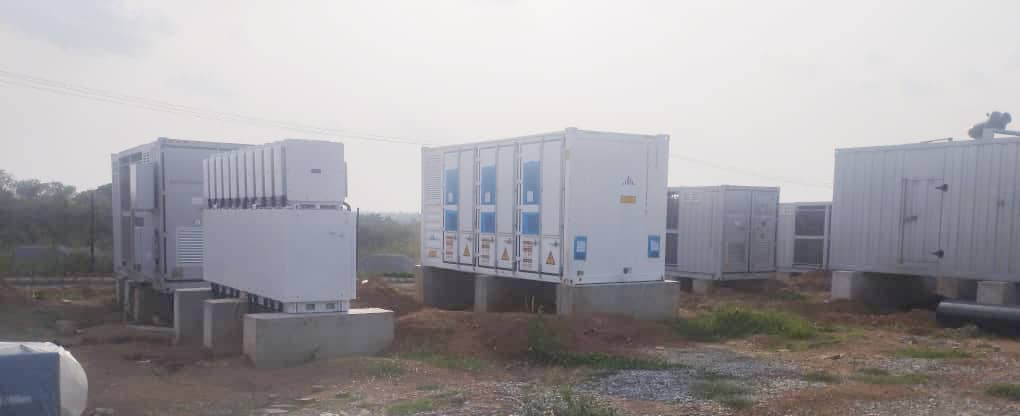
While a majority of the campus is already benefiting from the solar installation, a few locations are yet to be fully connected which were the Prof. Oluwafemi Balogun Ceremonial Building, College of Entrepreneurial and Development Studies (COLENDS), Chief Olusegun Obasanjo College of Engineering Building, Health Centre, Executive Lodges, International Scholars’ and Resource Centre (IS&RC), FUNAAB International School (FUNIS), FUNAAB Staff School, Zoo Park, Institute of Food Security, Environmental Resources and Agricultural Research (IFSERAR), and the Institute for Human Resources Development (INHURD). These areas would be connected in the coming weeks, further expanding the reach of the 3MW Hybrid Solar Power Project across the University.
With the successful test run already demonstrating its impact, FUNAAB is on the verge of officially commissioning the solar project. The development marks a historic shift towards renewable energy, reinforcing the University’s commitment to sustainability, innovation, and improved infrastructure for both students and staff.
As the commissioning date nears, the University Community eagerly awaits the full integration of this landmark project, setting the stage for a brighter, more energy-efficient future at FUNAAB.
