
Last Updated on October 16, 2026 by Olasunkanmi Olajide
… As COLPHYS Hosts 3rd International Biennial Conference
By Joy Adeyiga, David Johnson & Joy Olabanji
The Director-General of the National Information Technology Development Agency (NITDA), Dr. Kashifu Abdullahi, has challenged researchers to transform scientific discoveries into practical innovations, productive enterprises and national prosperity, stressing the need to align research with Nigeria’s developmental priorities.
Dr. Abdullahi gave the charge, while delivering the Keynote Address at the Opening Ceremony of the 3rd International Biennial Conference of the College of Physical Sciences (COLPHYS), Federal University of Agriculture, Abeokuta (FUNAAB), held on October 13, 2026, at the Red Chamber. The conference was themed, “Innovation at the Intersection of Science, Environment, Agriculture, Climate, Health, and Artificial Intelligence.”
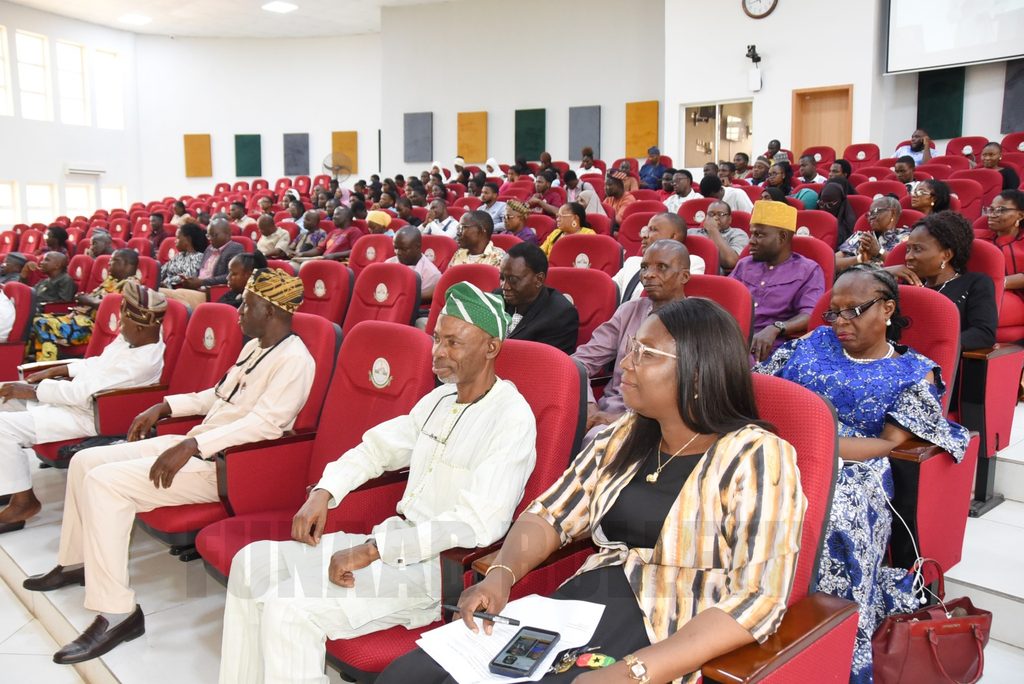
Represented by Dr. Aristotle Onumo, the NITDA DG commended FUNAAB for its remarkable growth and the conference organisers for adopting a theme that reflects the growing convergence of science and technology in addressing contemporary societal challenges.
He highlighted the transformative potential of digital technologies and Artificial Intelligence (AI) in agriculture, healthcare, climate action and education, calling for deliberate investments in digital talent development, shared innovation infrastructure and stronger partnerships between universities and technology stakeholders.
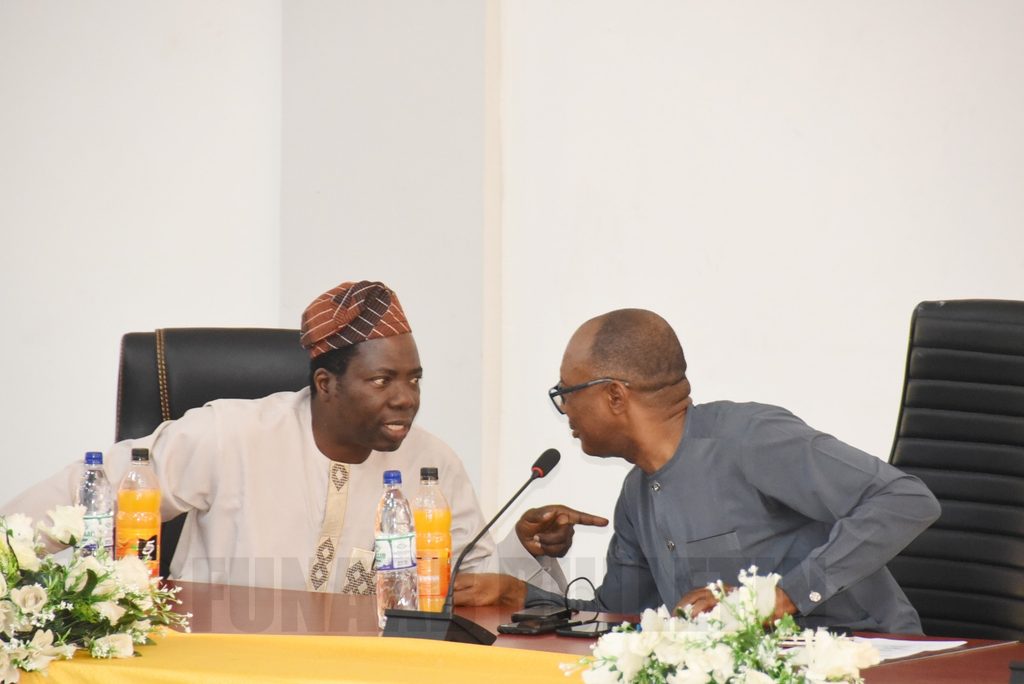
Dr. Abdullahi outlined five priorities for translating research into national prosperity: aligning research with national challenges, developing shared scientific and digital infrastructure, linking research funding to practical outcomes, nurturing entrepreneurial researchers and measuring success by societal impact rather than academic outputs alone.
He also urged students to embrace innovation and view their academic qualifications as a springboard for solving real-world problems, declaring, “Your certificate is just your beginning and not your destination.”
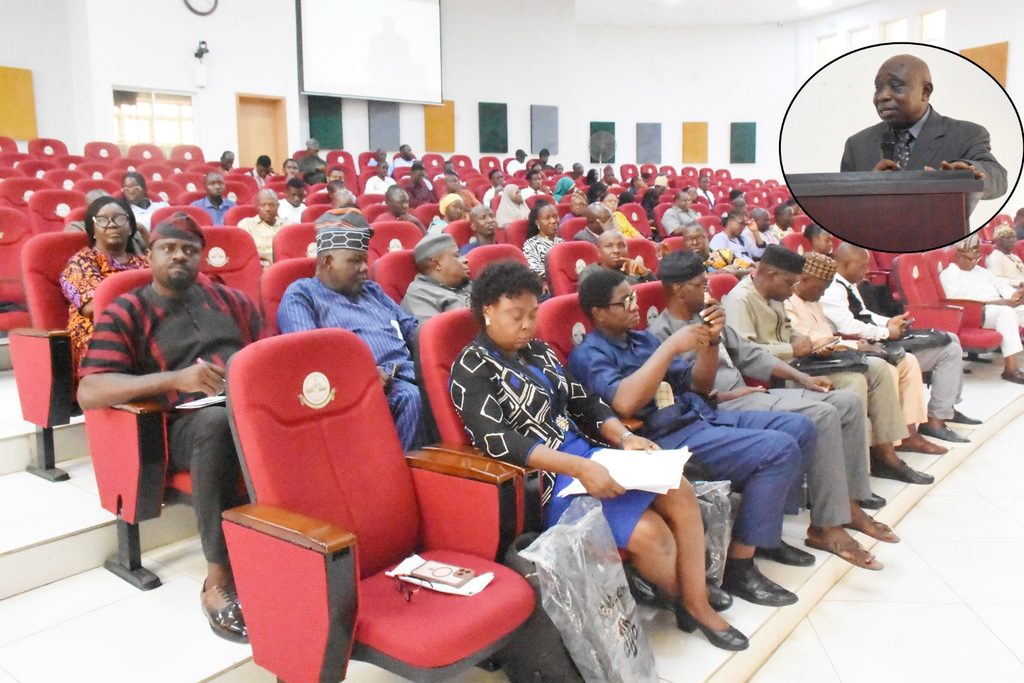
In his Welcome Address, the Vice-Chancellor of FUNAAB, Prof. Babatunde Kehinde, represented by the Dean, College of Environmental Resources Management (COLERM), Prof. Olusegun Oguntoke, described the conference theme as timely amid rapid technological advancement and intensifying climate challenges.
The Vice-Chancellor highlighted the College’s contributions to the University’s mandates of teaching, research and community engagement, expressing optimism that the conference’s workshops, training sessions and research engagements would generate meaningful outcomes for the University and society. He also emphasised FUNAAB’s international collaborations and global standing, describing the gathering as an opportunity to strengthen research exchange, professional networking and interdisciplinary partnerships.
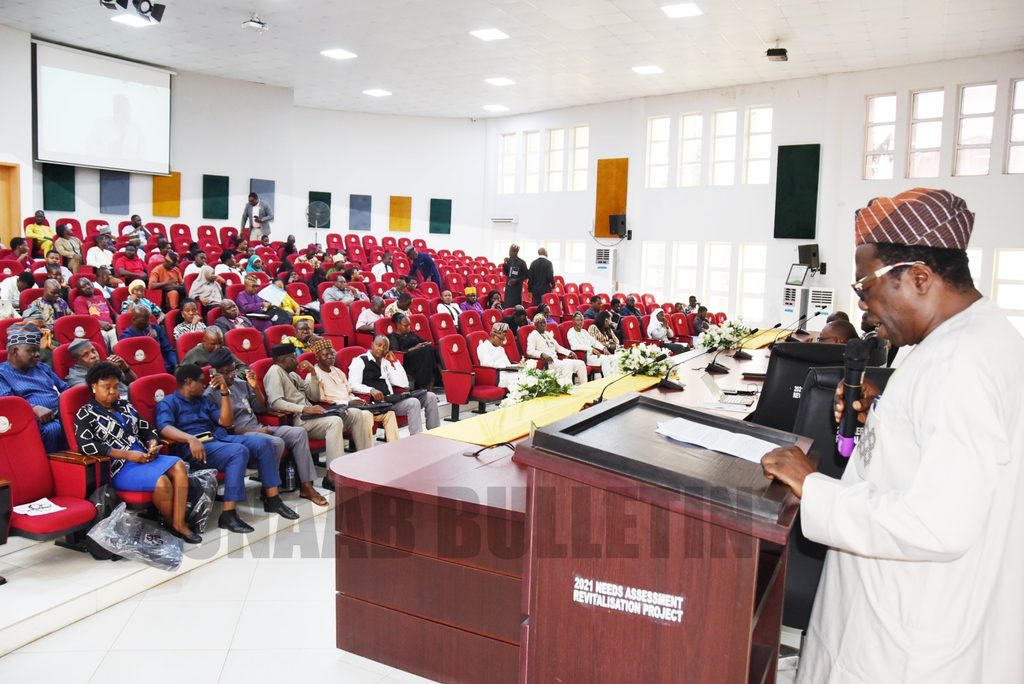
Prof. Kehinde challenged participants to explore emerging frontiers of knowledge, leverage open-source resources, build cross-disciplinary collaborations and inspire the next generation of researchers. He commended the Local Organising Committee and formally declared the conference open.
Earlier, the Dean of COLPHYS, Prof. Victor Makinde, welcomed participants and dignitaries, appreciating the Vice-Chancellor and University Management for their support in hosting the international conference. He explained that the event was designed to bring together Academics, researchers, industry professionals, policymakers and students to exchange knowledge and showcase innovative research across computer science and artificial intelligence, mathematics and statistics, chemistry, environmental sciences, physics, medical and life sciences, data science, education, agriculture and food security.
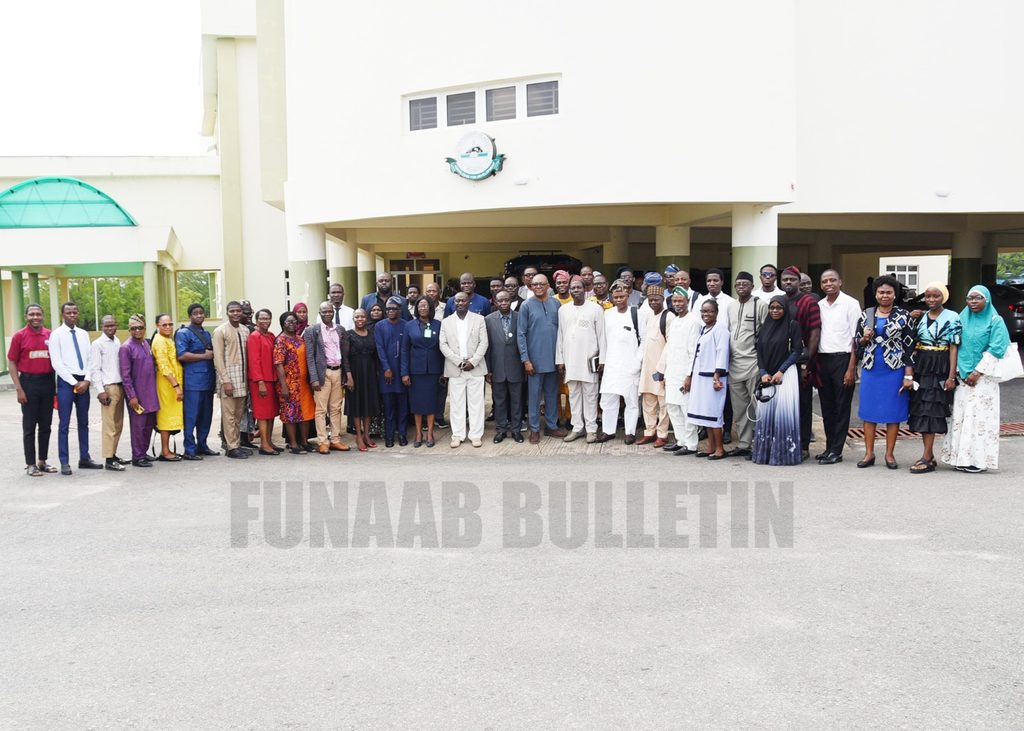
At the first plenary session, the Medical Director of the Federal Medical Centre, Abeokuta, Dr. Titilola Ibiyemi, examined the relationship between science, healthcare and Artificial Intelligence, explaining how scientific discoveries drive medical advancement while AI enhances efficiency and accelerates research and healthcare processes. She highlighted the contributions of physics to sensors and medical imaging, chemistry to drug development, and mathematics to predictive analysis, emphasising that AI should complement, rather than replace, healthcare professionals and scientists.
The second plenary session featured the Director of the NITDA IT Hub, University of Lagos, Prof. Victor Odumuyiwa, who presented a paper titled, “Artificial Intelligence as a Catalyst for Scientific Innovation: Transforming Research Across Science, Environment, Agriculture, Climate and Health.” His presentation examined the capacity of AI to advance scientific research and stimulate innovation across critical sectors.
The conference reinforced FUNAAB’s commitment to interdisciplinary research, technological innovation and knowledge-driven development, highlighting the importance of translating scientific discoveries into practical solutions for sustainable national growth.
#SDG4, #SDG9, #SDG17
