Last Updated on October 29, 2026 by Olasunkanmi Olajide
By Joy Adeyiga & David Johnson
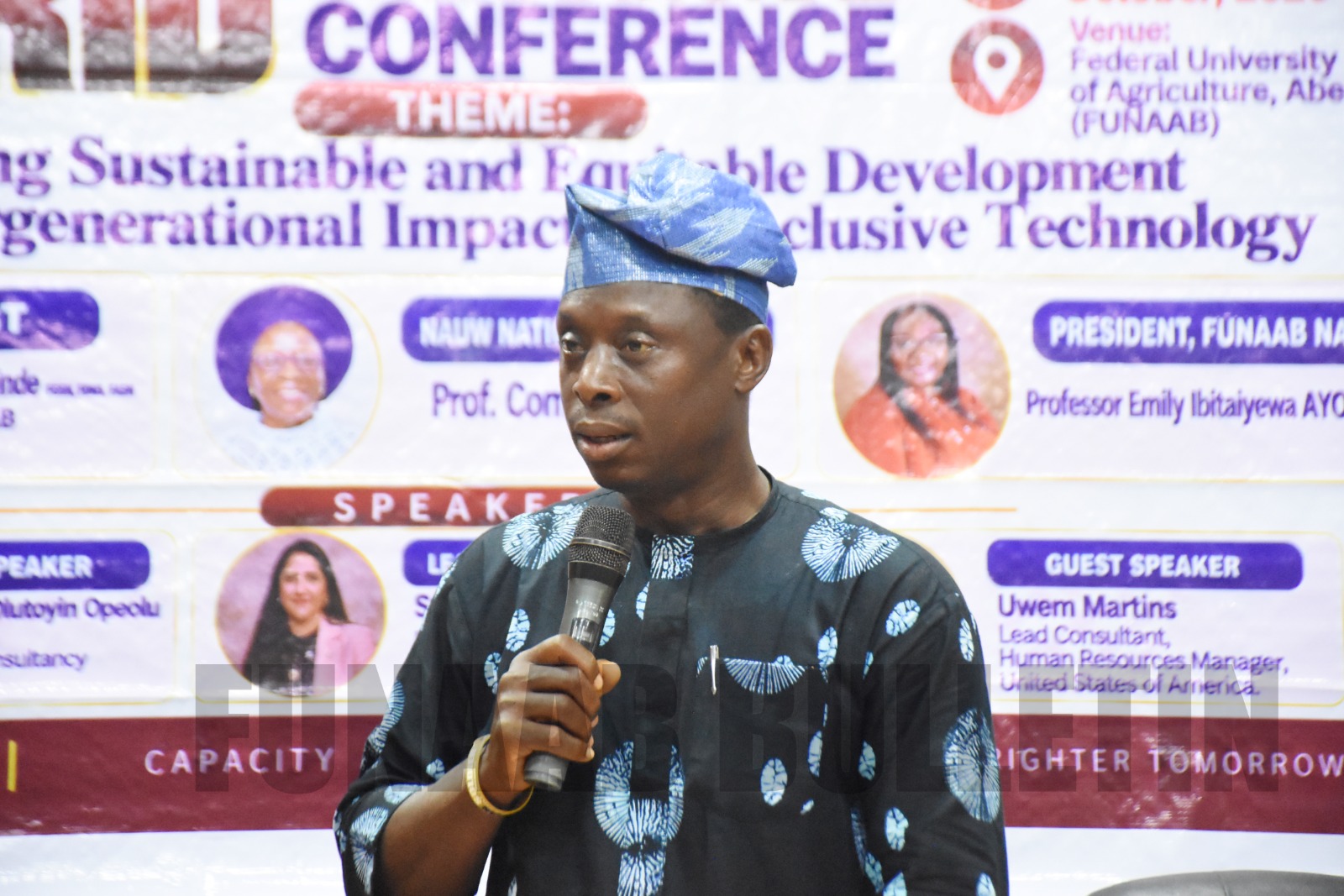
The Vice-Chancellor of the Federal University of Agriculture, Abeokuta (FUNAAB), Prof. Babatunde Kehinde, has called for inclusive technological advancement, responsible resource management, and stronger intergenerational collaboration to promote sustainable, equitable development.
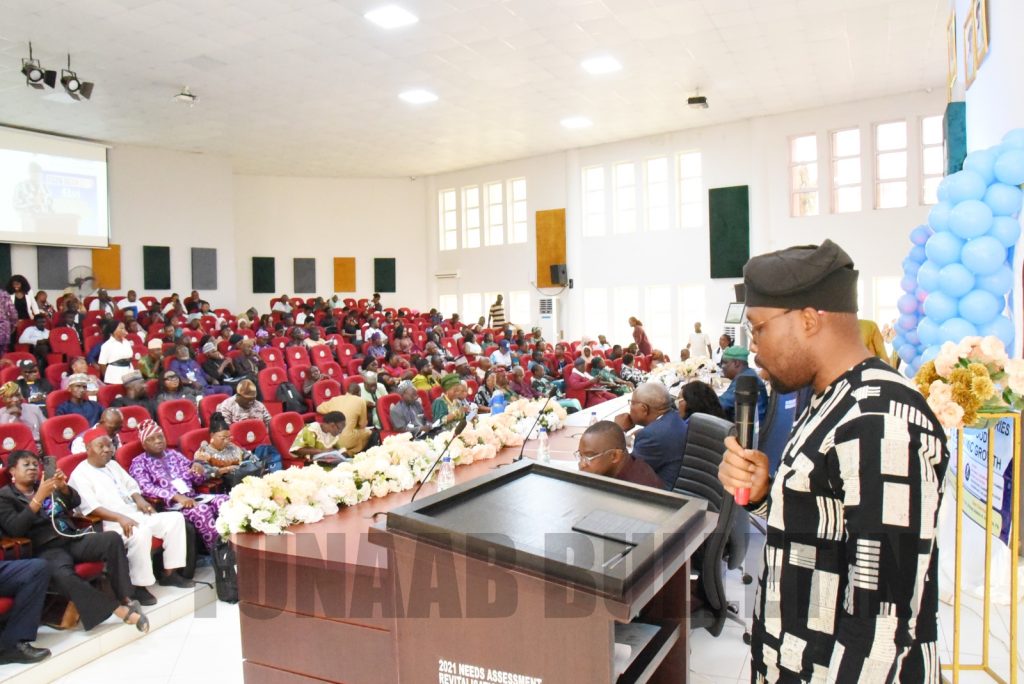
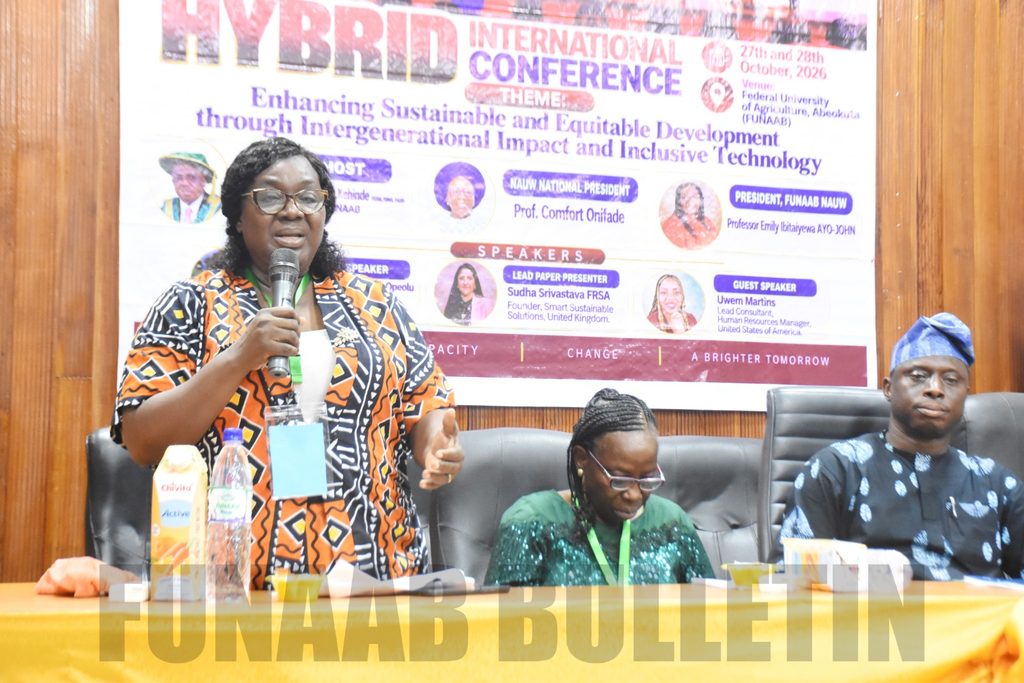
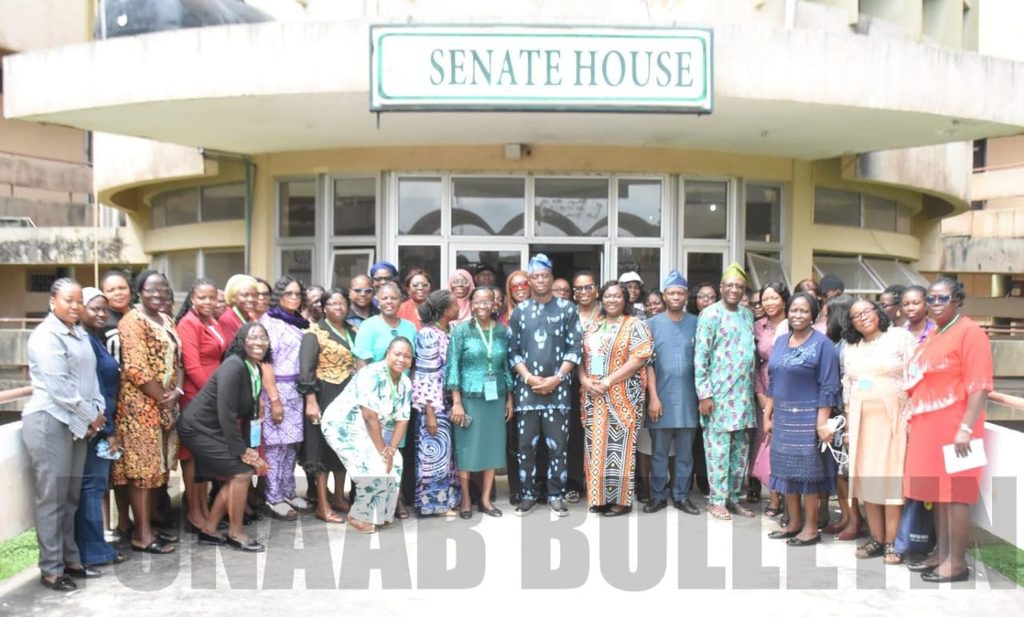
Prof. Kehinde made the call today, October 27, 2026, at the opening session of the 2nd International Hybrid Conference of the Nigerian Association of University Women (NAUW), held at the Green Chamber of the Senate Building, FUNAAB. The conference was themed “Enhancing Sustainable and Equitable Development Through Intergenerational Impact and Inclusive Technology.”
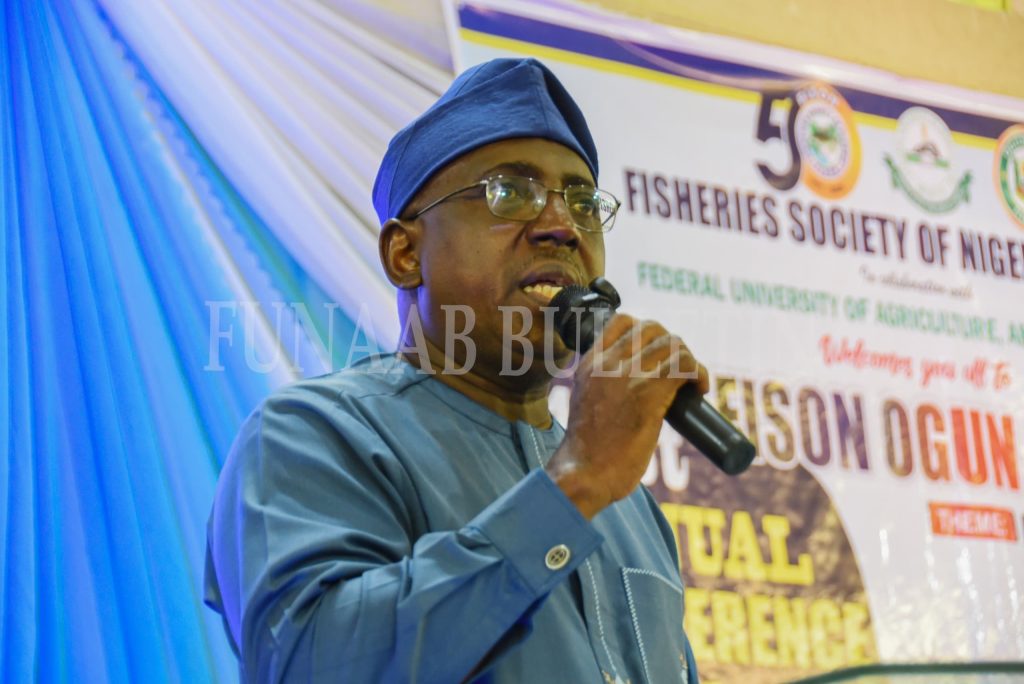
Represented by the Head of the Department of Agricultural and Bio-Resources Engineering (ABE), Prof. Pius Dada, the Vice-Chancellor described the theme as timely, noting that sustainable development required prudent resource utilisation, investment in human capital, strong institutions and continuous innovation. He urged universities to extend their contributions beyond teaching and research to embrace entrepreneurship, community development and practical solutions to societal challenges.
The Vice-Chancellor commended NAUW for promoting women’s advancement, girl-child education, mentorship and leadership development. He encouraged the Association to strengthen partnerships that would expand opportunities for women and younger generations, while applauding the FUNAAB Chapter for hosting the conference for two consecutive editions. He added that the hybrid format would broaden participation and encourage wider engagement.
In her address, the National President of NAUW, Prof. Comfort Onifade, reaffirmed the Association’s commitment to lifelong learning, mentorship and the empowerment of women and girls. Affiliated with Graduate Women International, a Geneva-based organisation dedicated to advancing women’s and girls’ education, NAUW, she said, remained committed to ensuring that women and young people were not excluded from the benefits of technological advancement. She urged members to bridge generational gaps through knowledge-sharing, mentorship and digital skills development.
Delivering the keynote address virtually, the Founder and Director of Bee Solutions and Consultancy Services, Cape Town, South Africa, Prof. Beatrice Opeolu, challenged women to move beyond participating in existing systems to actively shaping them. She highlighted the potential of Artificial Intelligence (AI) to improve research, digital platforms to strengthen collaboration, and technology to help women entrepreneurs access new markets. However, she cautioned that technological progress would not automatically guarantee equal benefits without deliberate efforts to ensure women’s access to and influence over emerging technologies.
Prof. Opeolu identified intergenerational mentorship and sponsorship, digital and AI capacity-building, and collaborative research focused on African priorities as critical pathways to strengthening women’s contributions to sustainable development.
Also speaking virtually, the Lead Paper Presenter, a Fellow of the Royal Society of Arts and Founder of Smart Sustainable Solutions, United Kingdom, Sudha Srivastava, questioned whether development could be considered sustainable if its benefits were not equitably shared across genders, communities and generations. She presented a four-stage framework, which was access, capability, agency and impact, for moving women from digital access to meaningful participation and influence, stressing that women must help shape the future of technology, particularly AI.
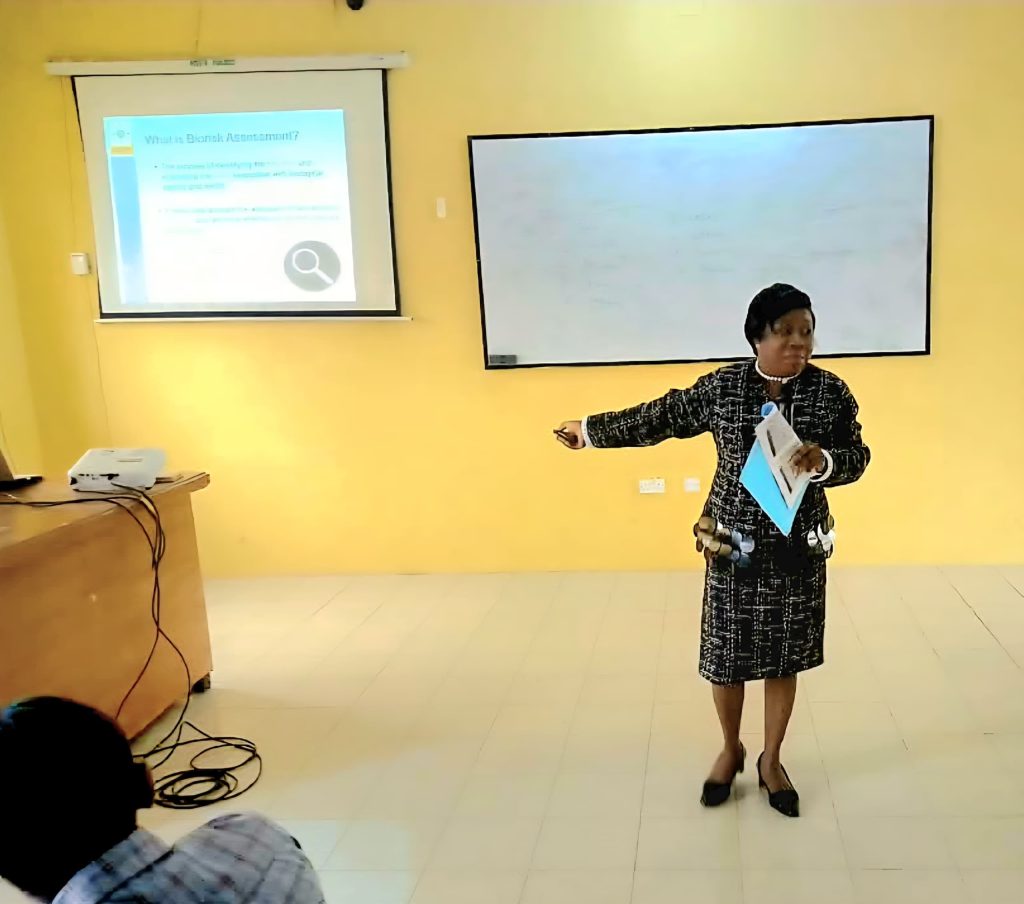
The Guest Speaker, Uwem Martins, Lead Consultant and Human Resources Manager in the United States of America, delivered a presentation titled “AI for Everyday Use,” examining how AI was transforming the workplace and helping individuals apply the technology confidently in their daily activities.
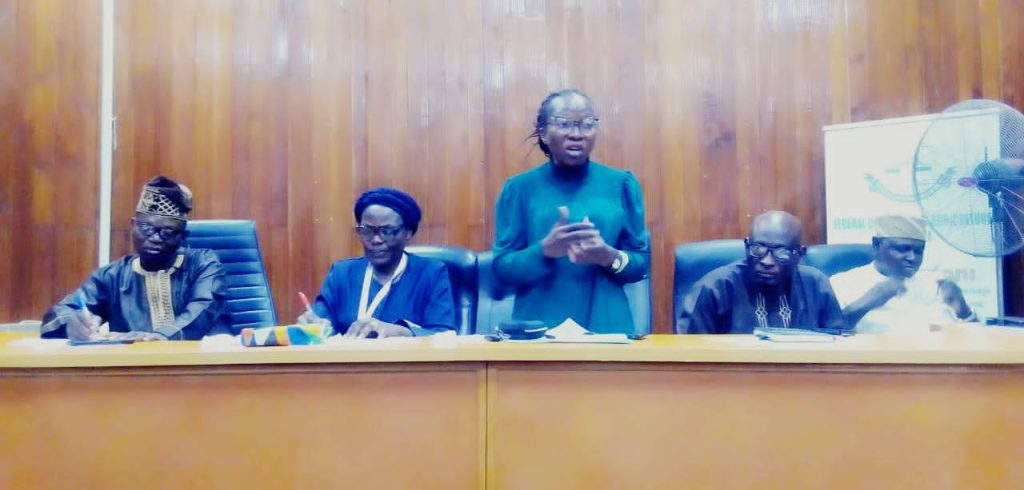
Earlier, the President of NAUW-FUNAAB Chapter, Prof. Emily Ayo-John, called on university women to champion inclusive policies, education, innovation, gender equality, leadership and mentorship. She appreciated the University Management for supporting the conference and acknowledged the contributions of the chapter executives, members, Local Organising Committee and other supporters. The Chairperson of the Local Organising Committee, Prof. Kemi Fapojuwo, also expressed appreciation to the speakers and participants for contributing to the success of the conference.
#SDG4, #SDG5, #SDG10, #SDG17