Last Updated on March 27, 2026 by Olasunkanmi Olajide
By Raymond Osemene
The College of Food Science and Human Ecology (COLFHEC), Federal University of Agriculture, Abeokuta (FUNAAB), has held its maiden Corporate Research and Leadership Workshop Series (CORELS), with a focus on the theme, “Leadership That Matters: Ethics, Influence and Service in Academia.”
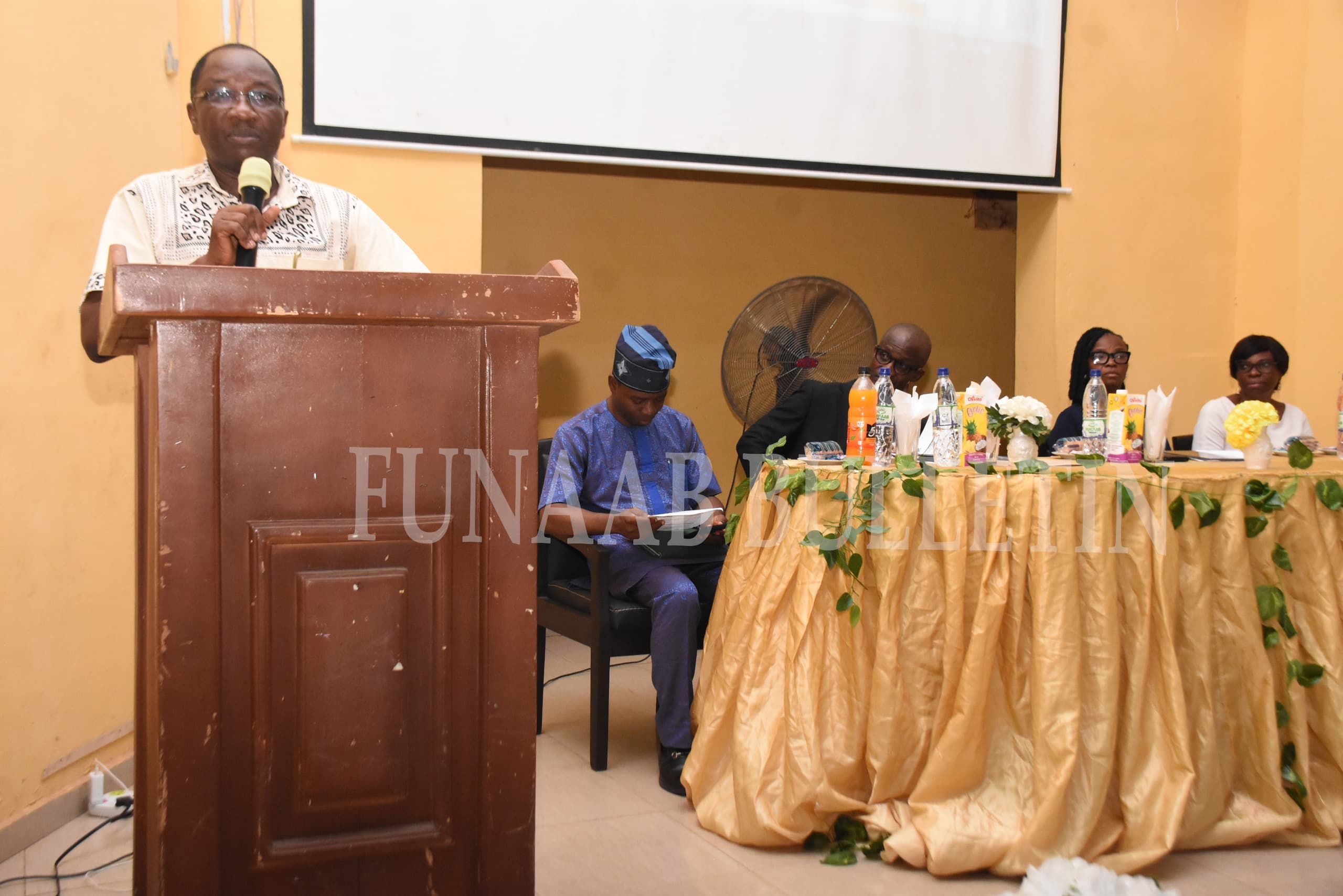
Declaring the workshop open on behalf of the Vice-Chancellor, Prof. Babatunde Kehinde, the Dean of the Postgraduate School, Prof. Olusiji Sowande, noted that the initiative was designed to expose participants to the core values and foundational principles of the University. He emphasised that these enduring standards must not only be preserved but continually strengthened.
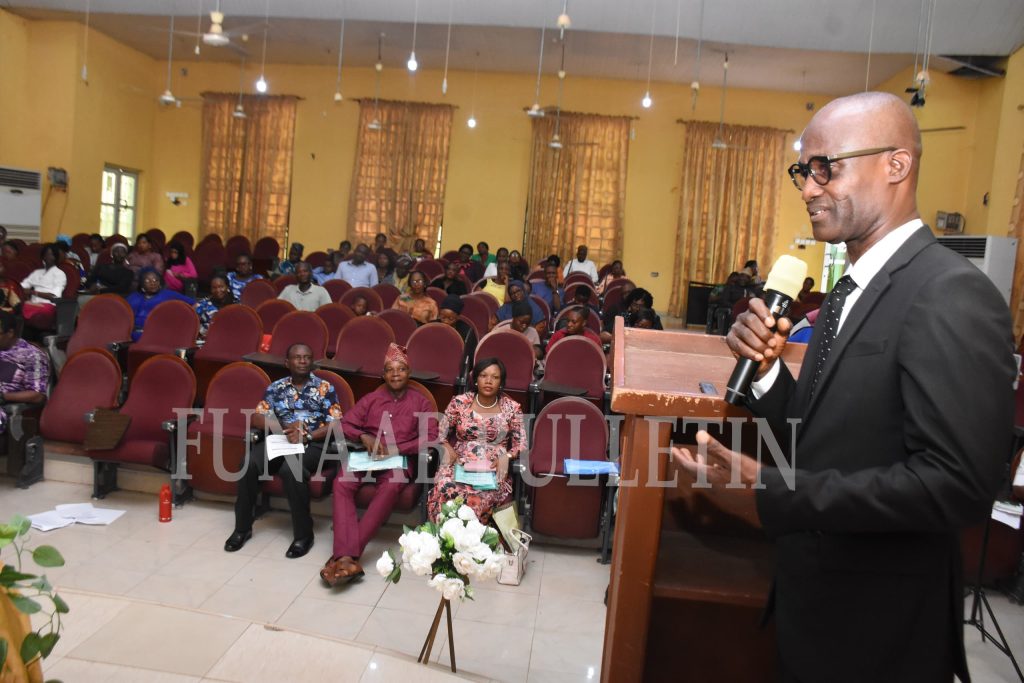
The Vice-Chancellor urged participants, particularly those occupying leadership positions, to engage in self-reflection by identifying their strengths and addressing areas of weakness. He also encouraged emerging academic leaders to leverage insights gained from the workshop, stressing that effective leadership requires continuous learning, self-evaluation, and unwavering commitment to ethical conduct. He further commended COLFHEC for organising the programme and for inviting an experienced Guest Lecturer, Prof. Ololade Enikuomehin, expressing confidence that the session would provide practical insights into leadership gaps and necessary reforms in academia.
Earlier in her Welcome Address, the Dean of COLFHEC, Prof. Adebukunola Omemu, described the workshop as a significant milestone in the College’s drive for institutional growth and excellence. She explained that CORELS was established to promote research excellence, leadership development, mentorship, and community engagement.
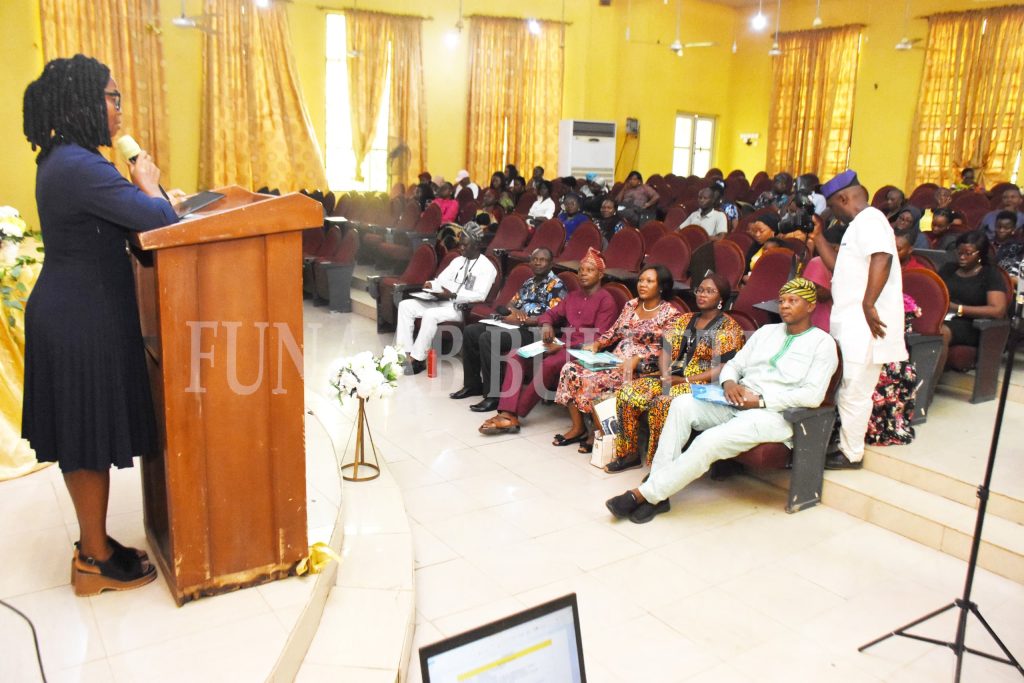
According to her, the workshop seeks to cultivate a culture where research is intentional, mentorship is proactive, and leadership is practised at all levels within and beyond the University. She added that the theme of the maiden edition emphasises the critical role of leadership in translating academic knowledge into meaningful societal impact. Prof. Omemu encouraged participants to actively engage in the session, reflect on their personal and professional growth, and assess their influence within the academic community.
Delivering the keynote lecture, the Guest Lecturer, Prof. Ololade Enikuomehin, described “leadership that matters” as one rooted in ethics, strengthened by influence, and expressed through service. He cautioned that leadership without ethical grounding is inherently unstable and unsustainable.

Prof. Enikuomehin, a former Acting Vice-Chancellor explained that while leadership and influence are often visible, ethics remains the most critical, thoughtless, visible component. According to him, service depends on leadership, leadership relies on influence, and influence is sustained by ethics. He noted that the neglect of ethical values often results in systemic breakdowns, even within seemingly strong leadership structures.
Prof. Enikuomehin further stated that leadership is not limited to formal positions, as individuals exercise leadership in various capacities, making personal integrity and ethical consciousness indispensable. He defined leadership as the ability to influence and mobilise people towards achieving set goals, adding that impactful leadership must inspire collaboration, foster commitment, and remain result-oriented.
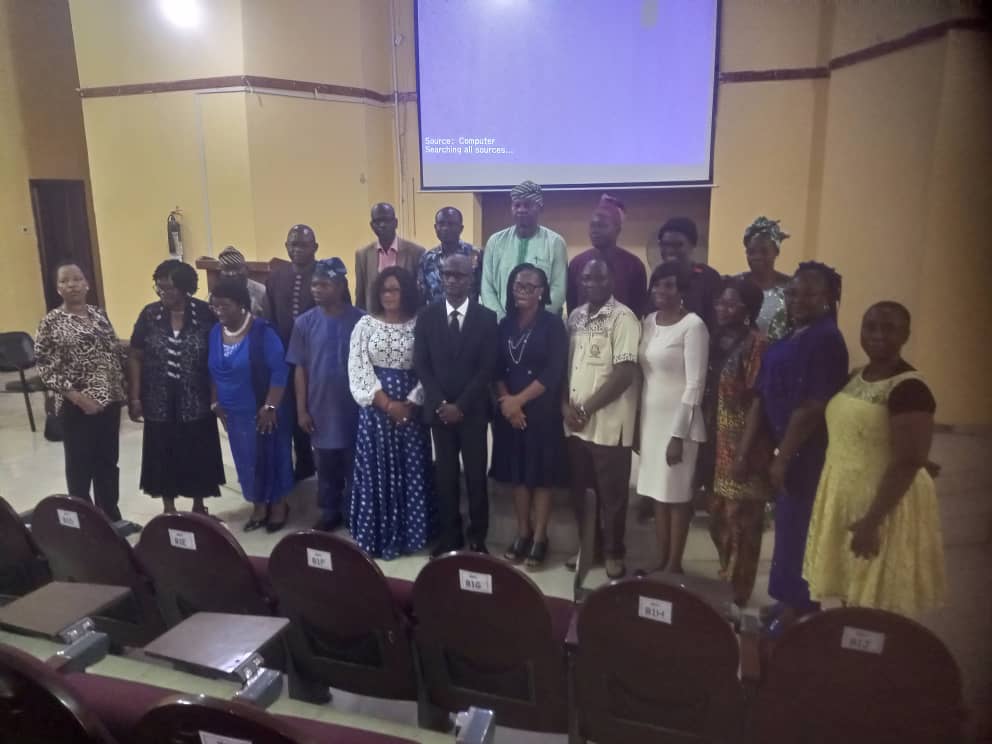
He concluded by urging participants to uphold integrity as the cornerstone of leadership, noting that ethical discipline at the individual level was essential for nurturing leaders capable of sustaining influence, managing responsibilities, and delivering lasting service to society.