Last Updated on October 16, 2026 by Olasunkanmi Olajide
… Advocates Waste Recycling, Tree Planting, Bioremediation as FUNAAB Holds 116th Inaugural Lecture
By Olasunkanmi Olajide, Olaoye Oyewole & Wuraola Dada
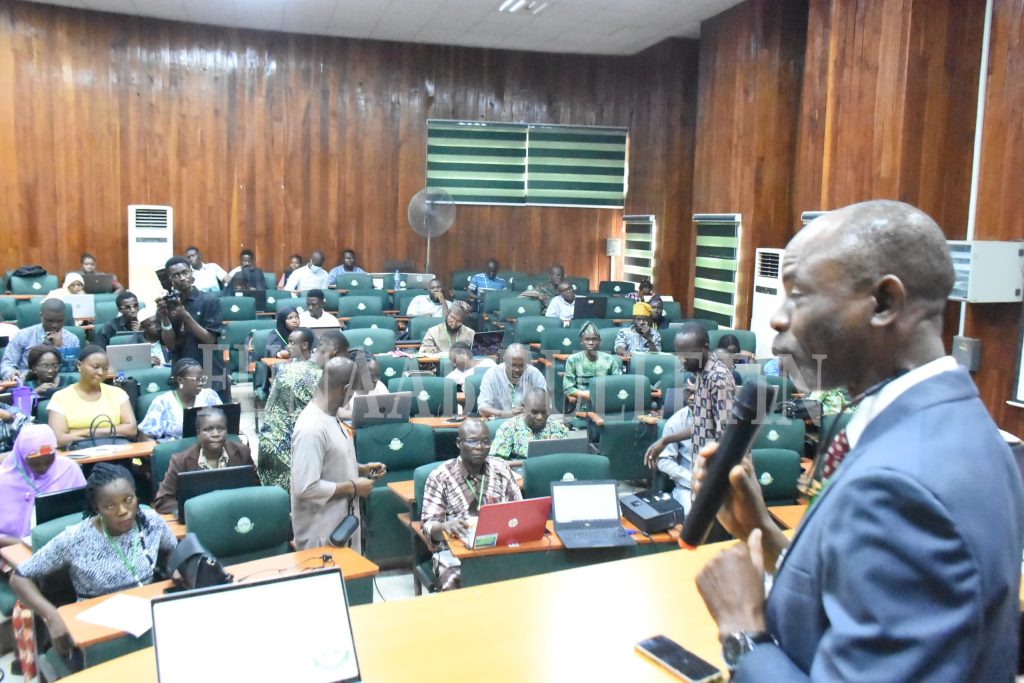
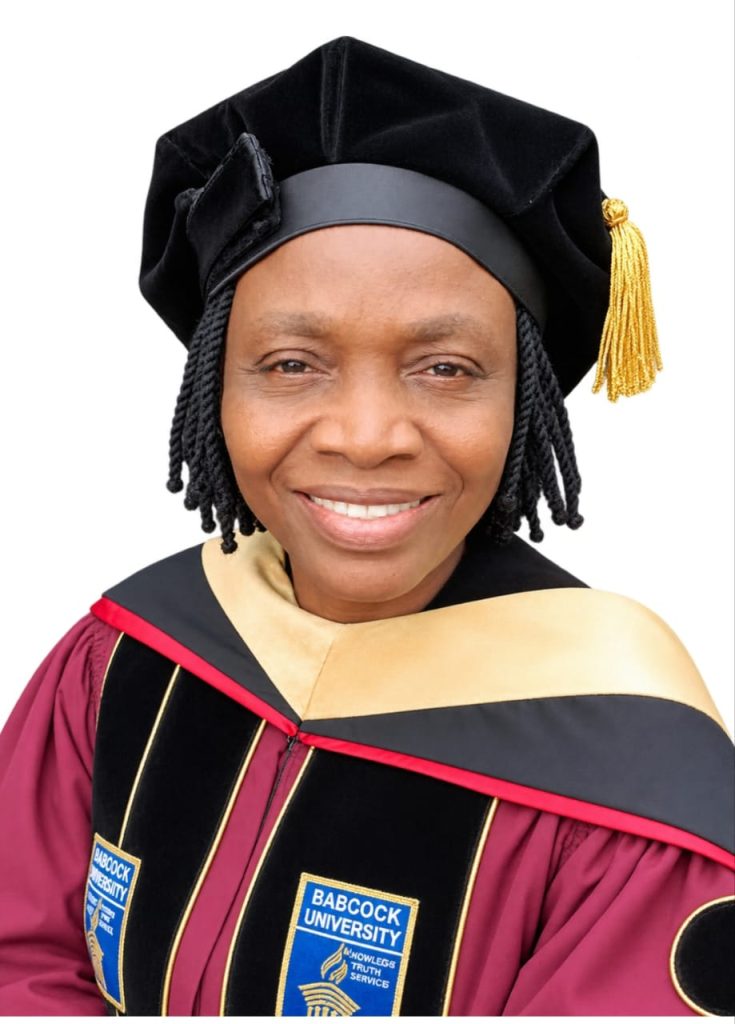
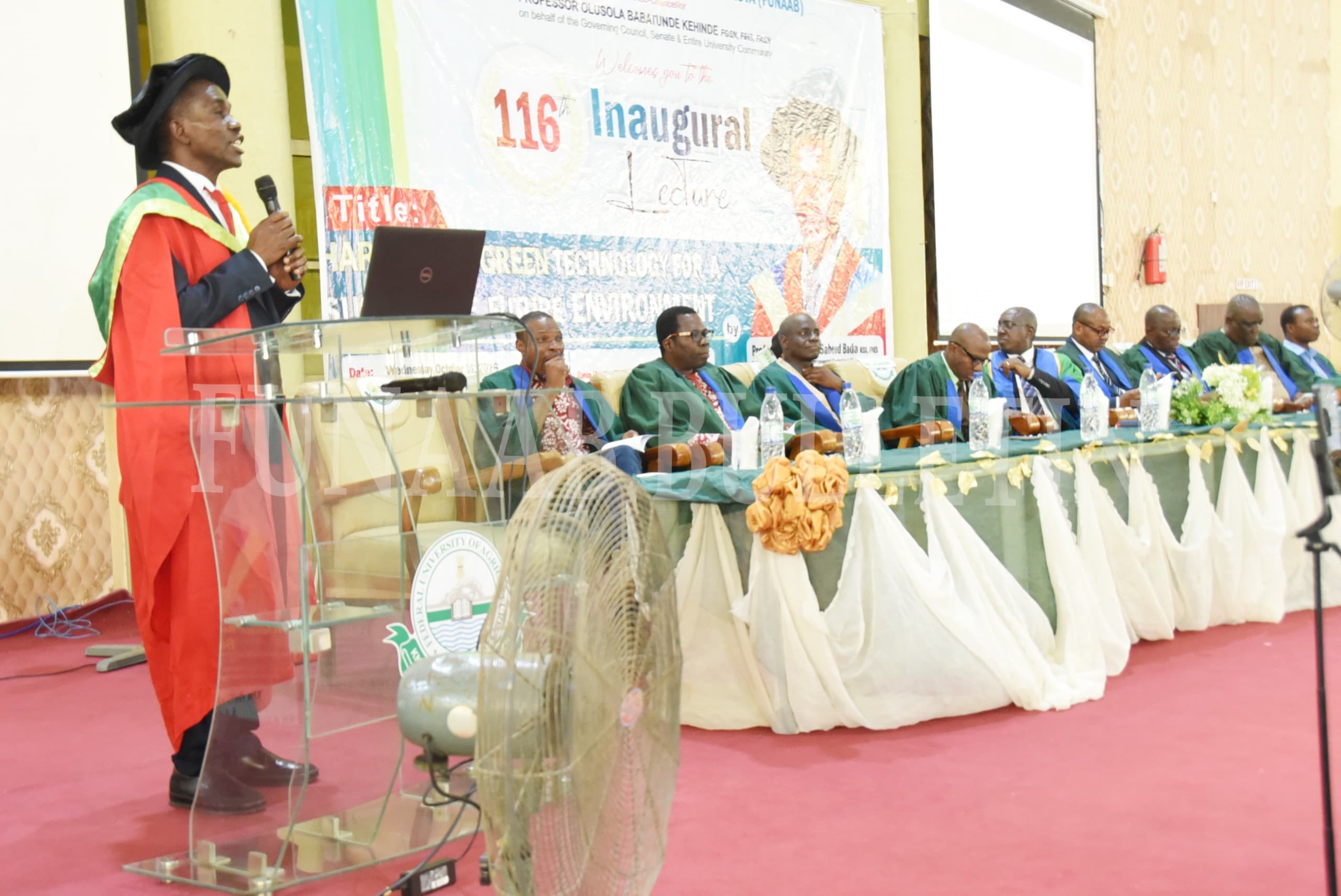
The Federal University of Agriculture, Abeokuta (FUNAAB), has intensified calls for innovative, research-driven solutions to environmental pollution, with its 116th Inaugural Lecturer, Prof. Babatunde Bada, advocating green technology, waste recycling, tree planting and the restoration of contaminated lands as pathways to a sustainable environment.
Prof. Bada, of the Department of Environmental Management and Toxicology, College of Environmental Resources Management (COLERM), made the recommendations today, October 14, 2026, at the Prof. Oluwafemi Balogun Ceremonial Building, while delivering the lecture titled “Harnessing Green Technology for a Sustainable Future Environment.”
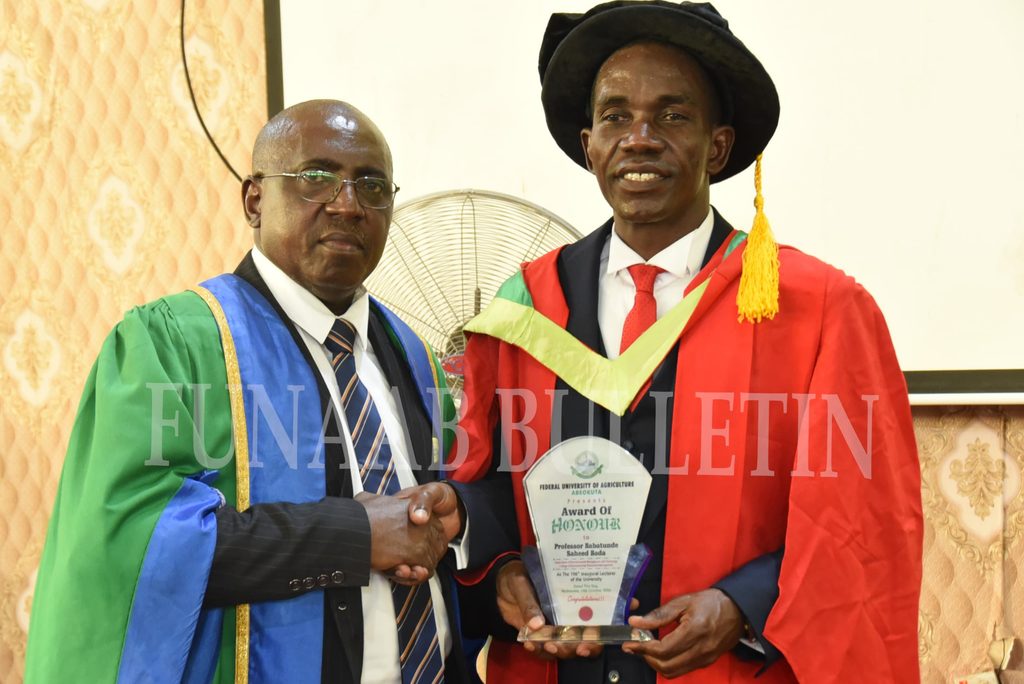
The Professor of Environmental Management and Bioremediation maintained that although human activities contribute significantly to environmental degradation, scientific research, technological innovation and nature-based interventions could transform the same challenges into opportunities for environmental recovery and sustainable development.
Identifying vehicular emissions, oil spills, mining, quarrying, indiscriminate waste disposal, poultry operations and cement production as major sources of pollution, Prof. Bada warned that harmful substances, including heavy metals and greenhouse gases, continued to threaten the quality of soil, water and air. He advocated improved sanitation, responsible waste disposal, reduced industrial emissions and extensive tree planting, identifying mango, white teak and masquerade trees as useful for carbon absorption and improved air quality.
In a compelling case for waste-to-resource innovation, the Inaugural Lecturer challenged the perception of waste as useless material, explaining that market refuse, animal dung and agricultural residues could be converted into valuable resources for agriculture, energy generation and industrial production. He noted that composted organic waste could restore degraded soils, improve fertility and supply essential nutrients for crop growth, while reducing dependence on inorganic fertilisers.
Highlighting the environmental benefits of plant-based remediation, Prof. Bada identified kenaf as a promising crop for cleaning up soils contaminated by petroleum hydrocarbons and heavy metals, including cadmium, lead, copper, chromium and zinc. He disclosed that cattle dung, pig dung and composted market waste achieved up to 99.99 percent removal efficiency of total petroleum hydrocarbons from oil-polluted soils, demonstrating the potential of organic materials to support affordable environmental rehabilitation.
The Lecturer also highlighted opportunities for converting agricultural and industrial waste into commercially viable products. He explained that corn sheaths and pineapple crowns could serve as raw materials for paper production, while recycled Polyethylene Terephthalate (PET) plastics could be incorporated into asphalt to improve its properties and provide an alternative use for plastic waste. He further identified the combination of animal waste and palm oil mill effluent in biodigesters as a means of producing biogas for energy and nutrient-rich slurry for fertiliser, while reducing waste and greenhouse gas emissions.
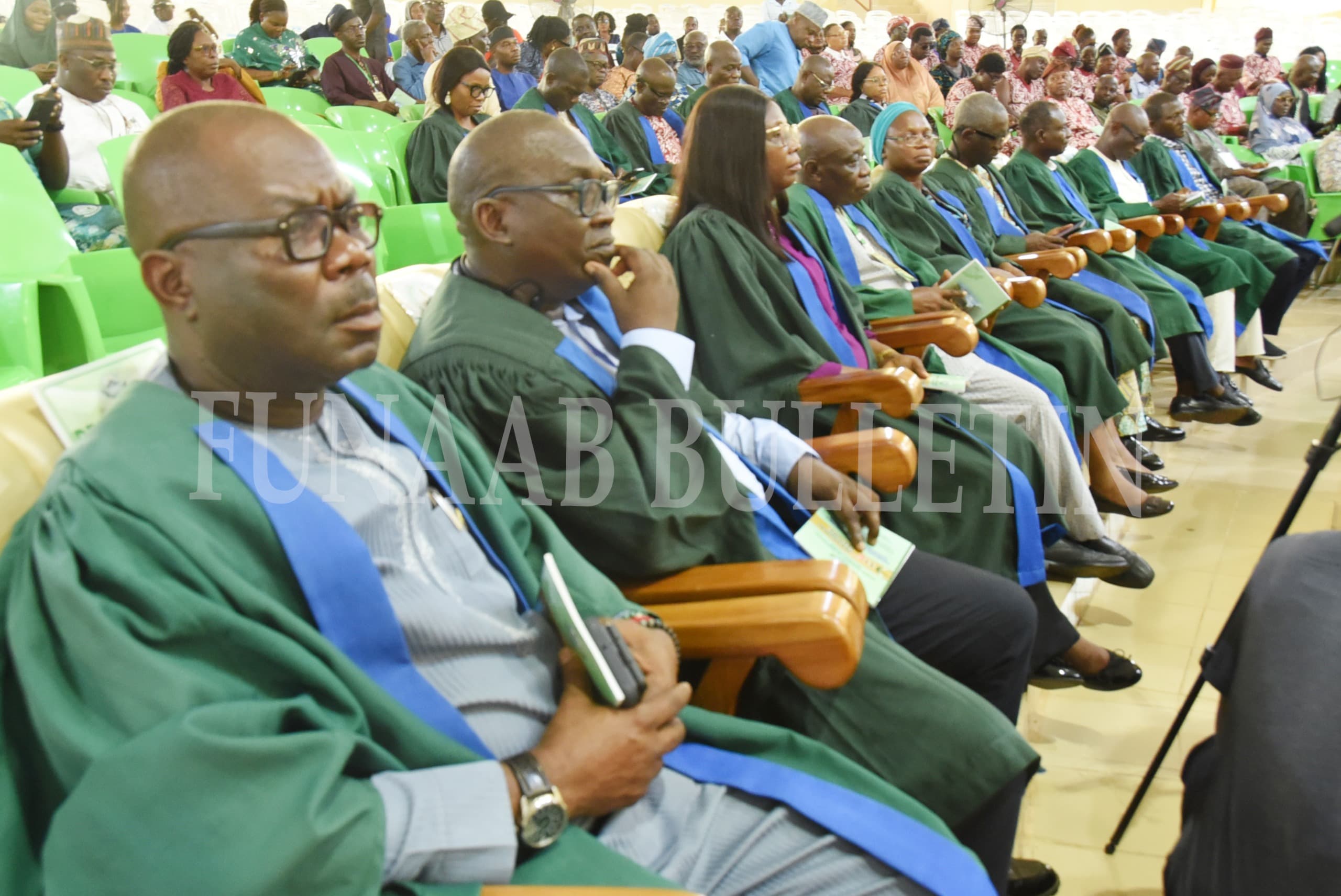
To strengthen environmental governance, Prof. Bada called on the National Environmental Standards and Regulations Enforcement Agency (NESREA), state environmental protection agencies and local governments to intensify enforcement of environmental laws covering waste disposal, vehicular emissions, industrial effluents and mining operations. He maintained that industries, transport operators and other waste generators should bear the costs of managing and remediating pollution resulting from their activities.
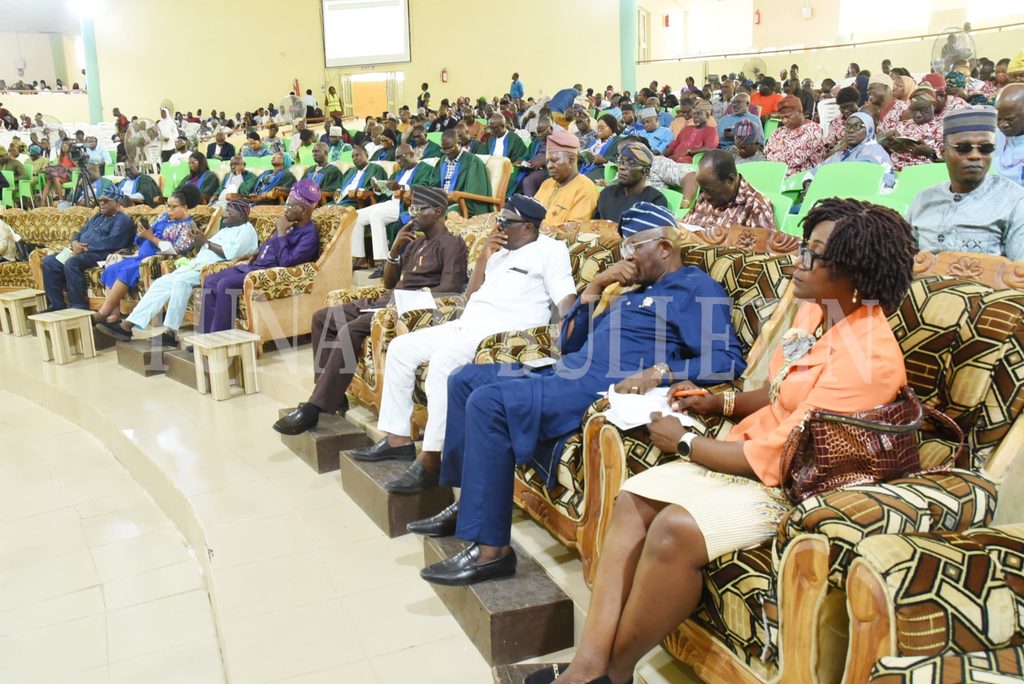
He also advocated stronger collaboration among government ministries, universities, industries and host communities to establish green spaces, tree-planting corridors and designated waste collection points in markets, residential estates and along major roads. He recommended the use of the Cuba 108 variety of kenaf and other suitable varieties for rehabilitating petroleum- and heavy-metal-contaminated soils, while urging the Governing Board of the National Oil Spill Detection and Response Agency (NOSDRA) to incorporate effective organic waste-based remediation techniques into its guidelines for oil companies.

As part of measures to safeguard public health, the Inaugural Lecturer recommended a minimum buffer distance of 50 metres between dumpsites, septic tanks and hand-dug wells. He further urged state environmental protection agencies to institutionalise regular groundwater monitoring around municipal dumpsites to minimise the risk of contamination.
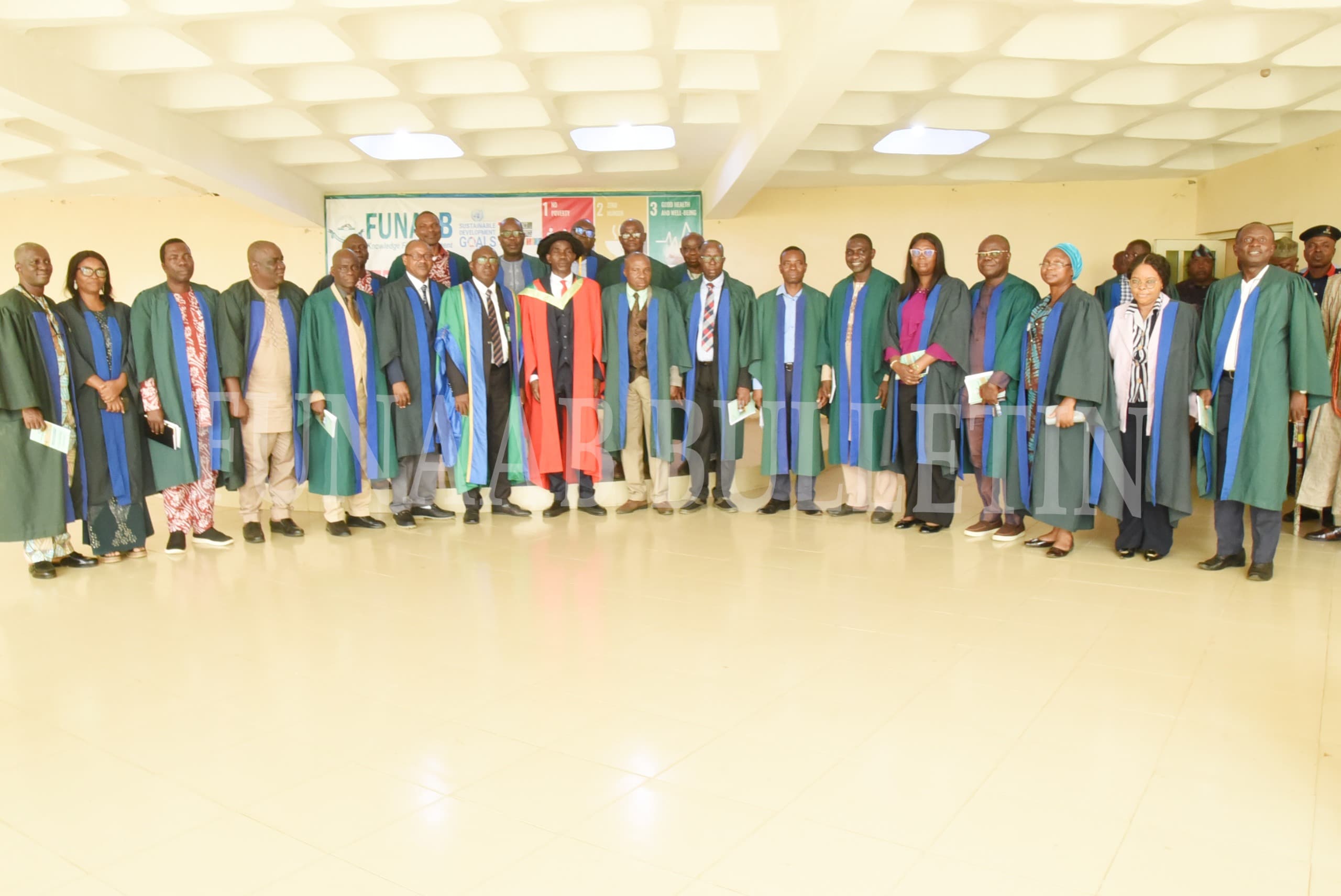
Prof. Bada, therefore, called on the Federal Government, State Governments, Non-Governmental Organisations and the Tertiary Education Trust Fund (TETFund) to increase support for research, innovation and the commercialisation of green technologies, particularly in bioremediation, waste recycling and climate-smart agriculture. He encouraged universities to partner with industries, communities and relevant government agencies to translate research findings into scalable solutions capable of creating jobs, protecting public health and preserving the environment for future generations.
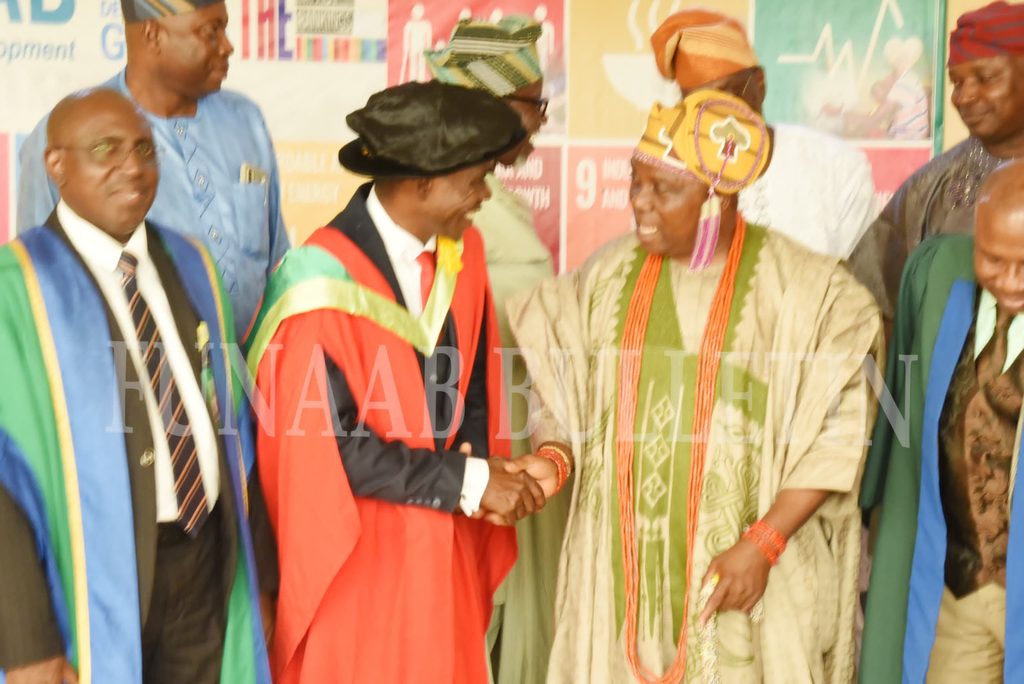
Earlier in his Introductory Remarks, the Vice-Chancellor, Prof. Babatunde Kehinde, stressed the importance of research and innovation in addressing environmental challenges. He commended Prof. Bada for his expertise in environmental management and his contributions to advancing the University’s visibility and reputation locally and internationally.
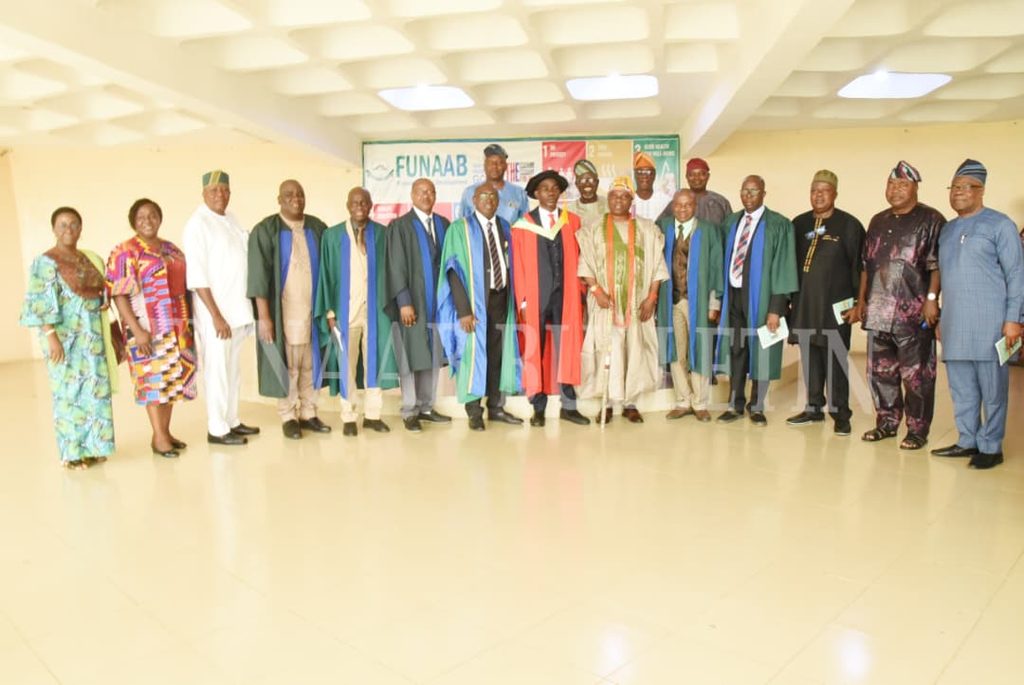
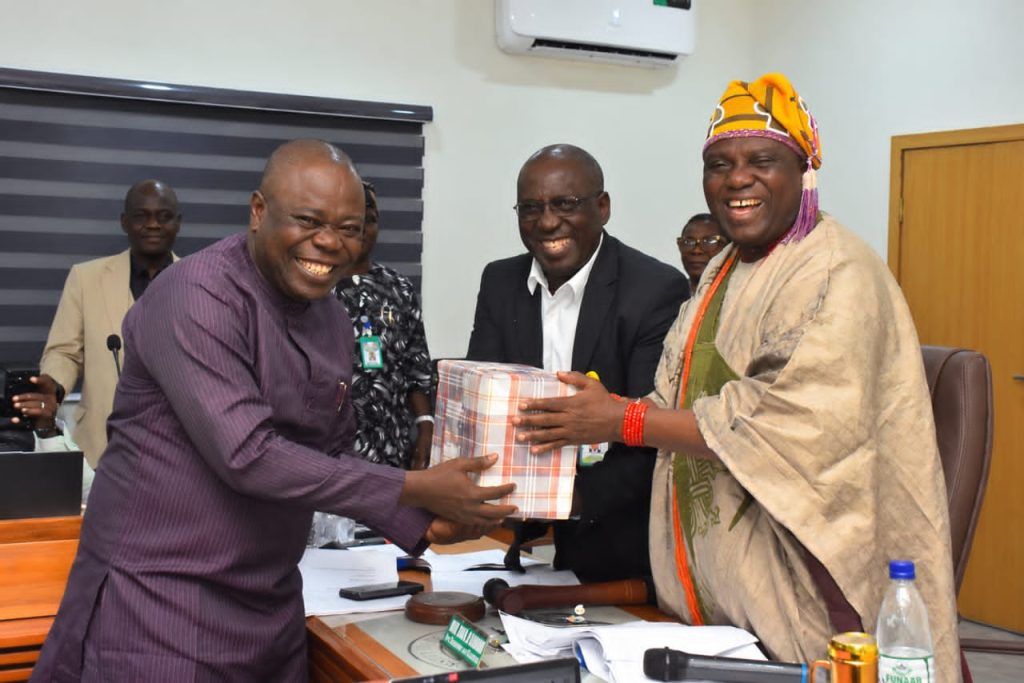
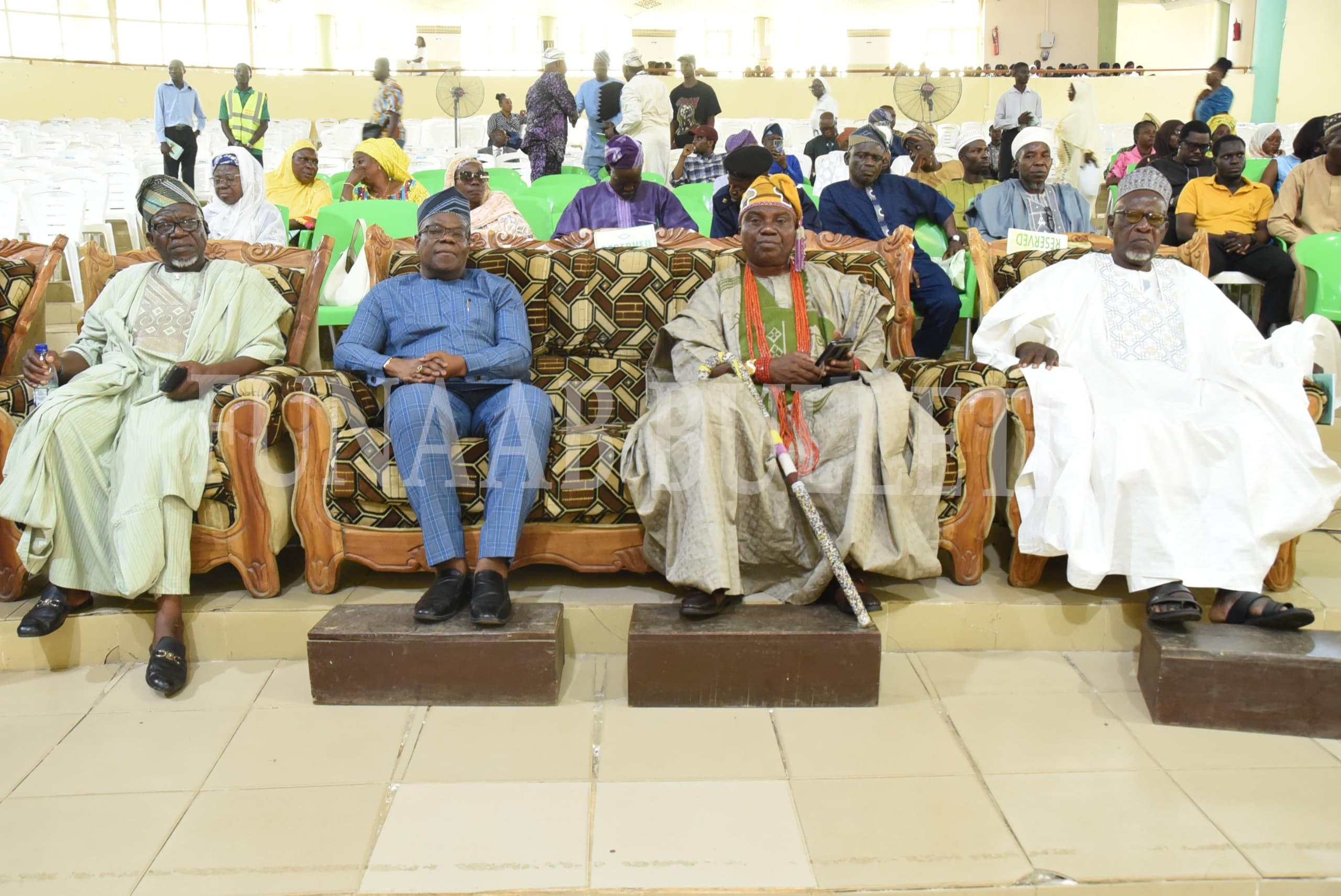
The event was attended by the Pro-Chancellor and Chairman, Governing Council, HRM, Oba Rasheed Ayotunde Olabomi, Odundun IV, Asoludero, the Aragbiji of Iragbiji Land and other members of the University’s Governing Council, including the Ogun State Hon. Commissioner for Environment, Mr. Ola Oresanya, as well as several others within and outside of the University.
#SDG4, #SDG6, #SDG9, #SDG12, #SDG13