Last Updated on March 16, 2026 by Adewole Oduwole
By Femi Dansu
The Federal University of Agriculture, Abeokuta (FUNAAB) today, March 10, 2026, hosted the 2026 International Conference of the International Association of Survey Statisticians (IASS) and the Royal Statistical Society (RSS) Nigeria Local Group, bringing together statisticians, researchers and practitioners to examine how Statistical Science can address contemporary development challenges.
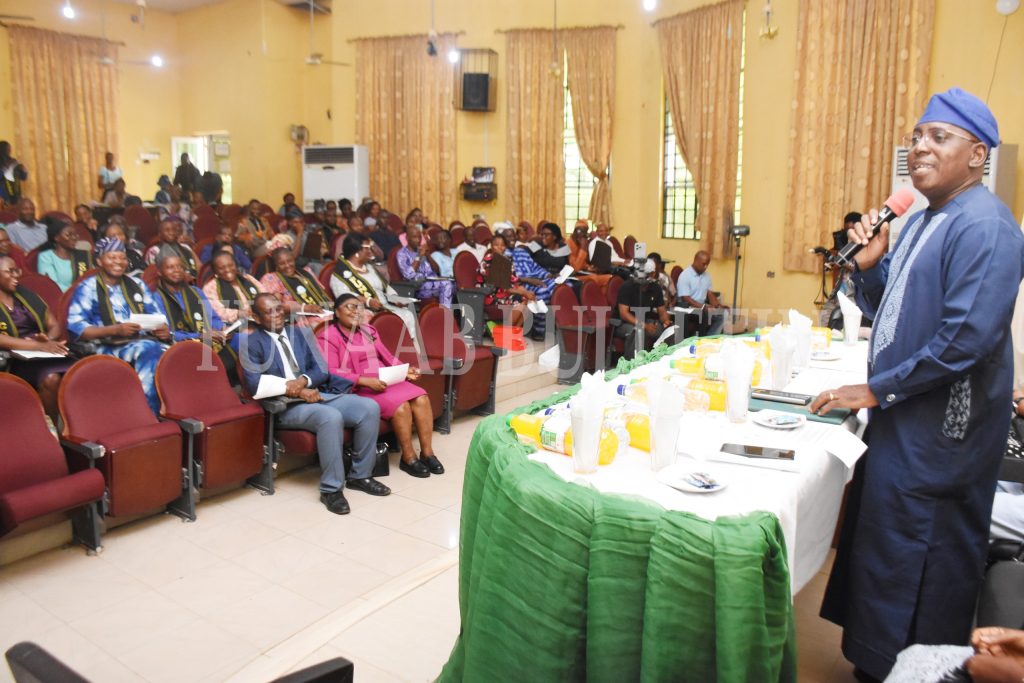
Declaring the conference open, the Vice-Chancellor, Prof. Babatunde Kehinde, represented by the Deputy Vice-Chancellor (Academic), Prof. Olusegun Idowu, described the gathering as a demonstration of the vital role of Statistical Science in advancing sustainable development.
Speaking on the conference theme, “Harnessing Statistical Science for Sustainable Development,” the Vice-Chancellor noted that the theme aligned strongly with FUNAAB’s commitment to impactful research and community engagement. He added that the conference provides a platform for collaboration, knowledge exchange and the development of innovative solutions to societal challenges through the application of Statistical Science.
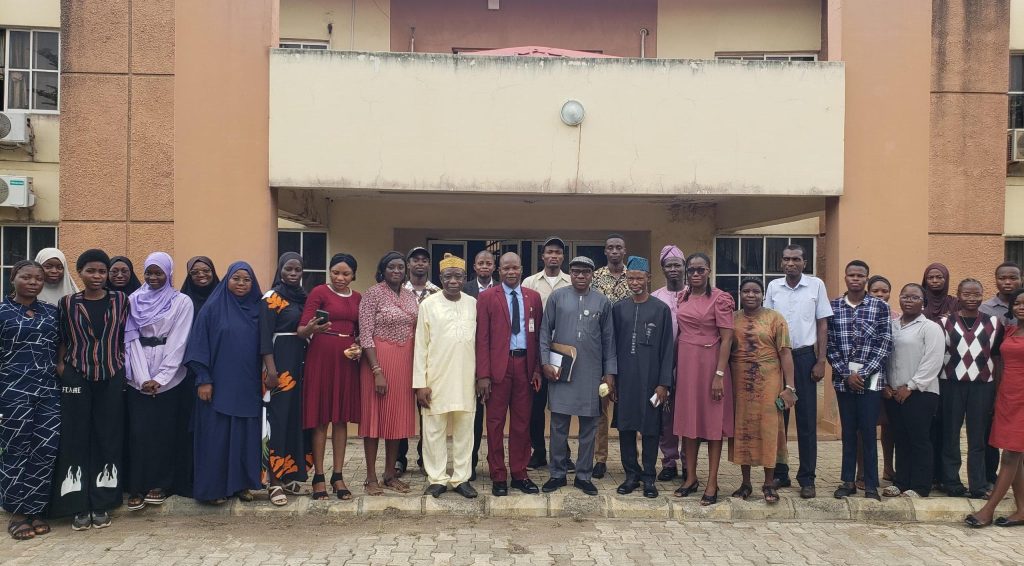
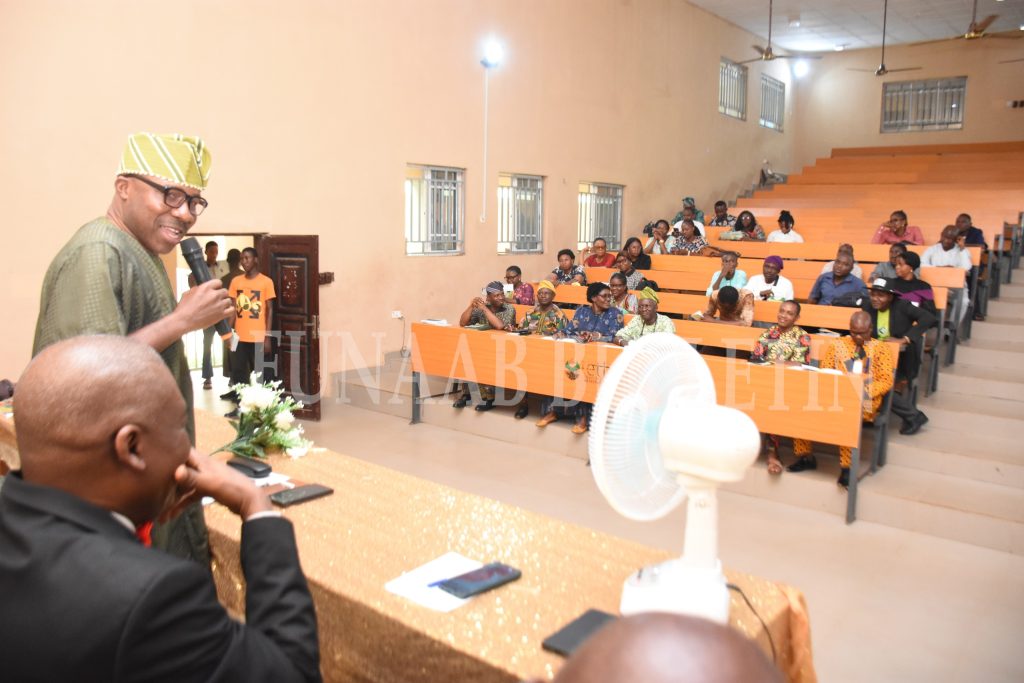
Earlier in his Welcome Remarks, the Country Representative of IASS and RSS Nigeria Local Group, Prof. Olaniyi Olayiwola, expressed appreciation to the Management of FUNAAB for hosting the conference, noting that the gesture highlights the University’s commitment to advancing Statistical Science and sustainable development.
He also acknowledged the support of the IASS and the RSS (UK) in facilitating the conference, adding that the gathering brought together renowned Statisticians and practitioners to share insights and best practices capable of driving positive societal change.
Prof. Olayiwola also commended members of the Local Organising Committee, led by himself with the support of Dr. Oluwaseun Wale-Orojo, for their commitment to the successful organisation of the conference.
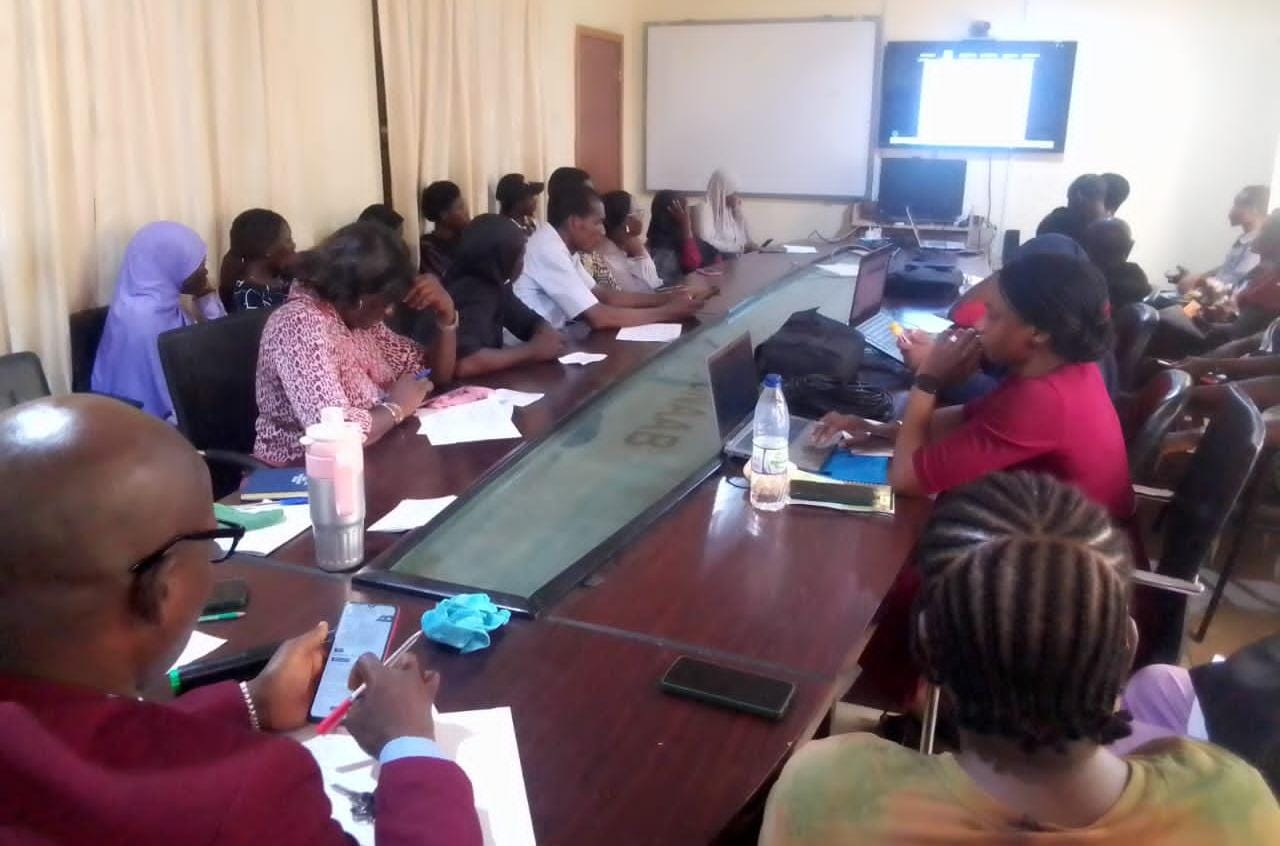
Delivering the Keynote Address by virtual means, Prof. Peter Lynn of the University of Essex, United Kingdom, spoke on “The Role of Social Surveys in Democratic Societies.” He noted the increasing importance of reliable and high-quality statistics in addressing global challenges such as climate change, geopolitical conflicts and resource scarcity. According to him, although emerging technologies such as big data and artificial intelligence have expanded the sources of information available to researchers, they cannot fully replace survey data, which remain critical for understanding societal trends and informing public policy.
Prof. Lynn stressed the need for high standards in survey design, data collection, analysis and interpretation to ensure that survey data effectively support decision-making processes.
Meanwhile, the conference was well attended by scholars, researchers, and students, even as it served as a platform to strengthen collaboration among scholars and practitioners, while promoting the effective use of Statistical Science in policy formulation and national development.