Last Updated on August 28, 2026 by Olasunkanmi Olajide
By Olasunkanmi Olajide & Femi Dansu
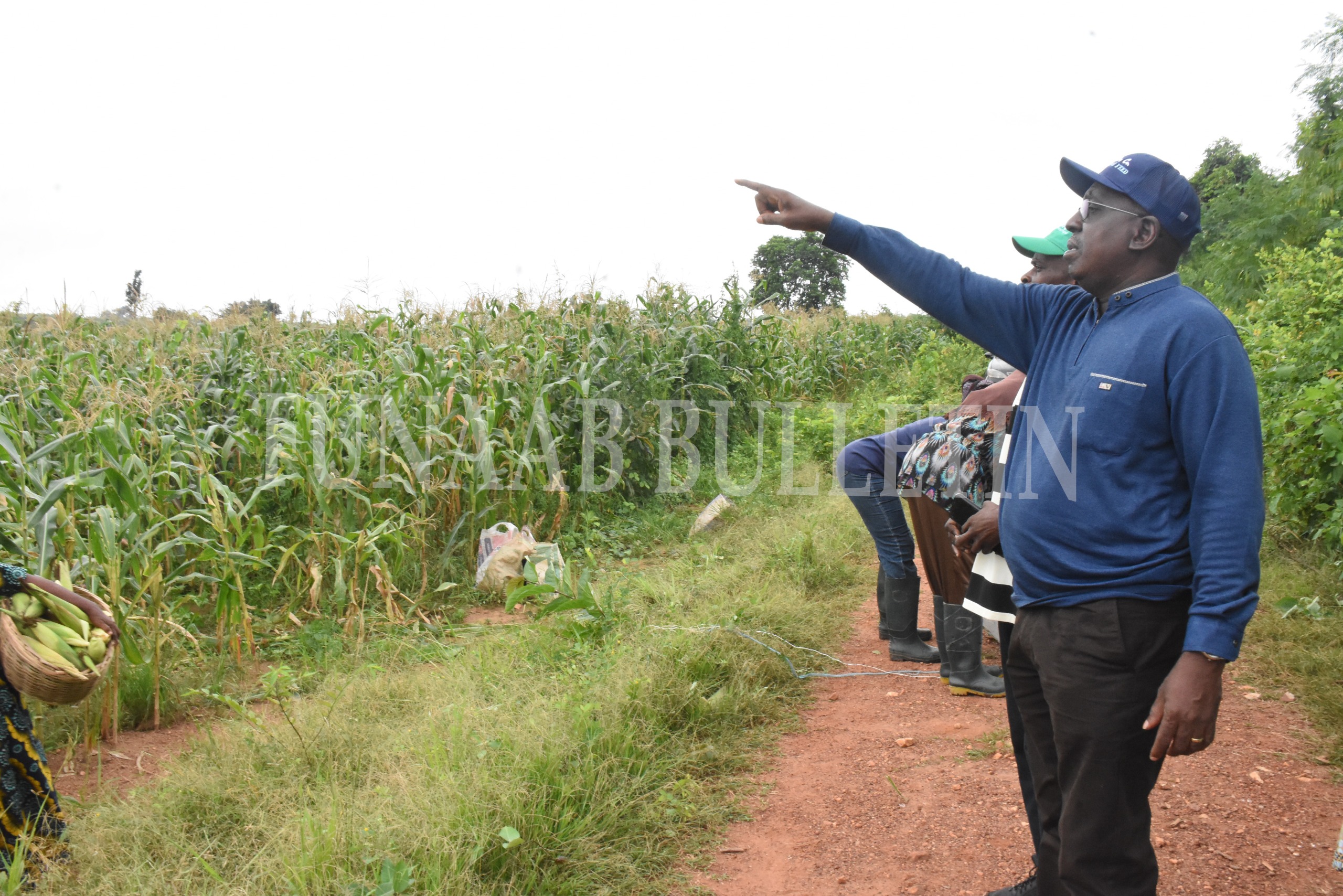
The Federal University of Agriculture, Abeokuta (FUNAAB), under the leadership of Vice-Chancellor Prof. Babatunde Kehinde, has highlighted FUNAAB’s Agricultural Revitalisation Efforts, Food Security Drive, and Community Impact as the Centre for Community-Based Farming Scheme (COBFAS) commenced the harvest and sale of maize from its 8-hectare farm.
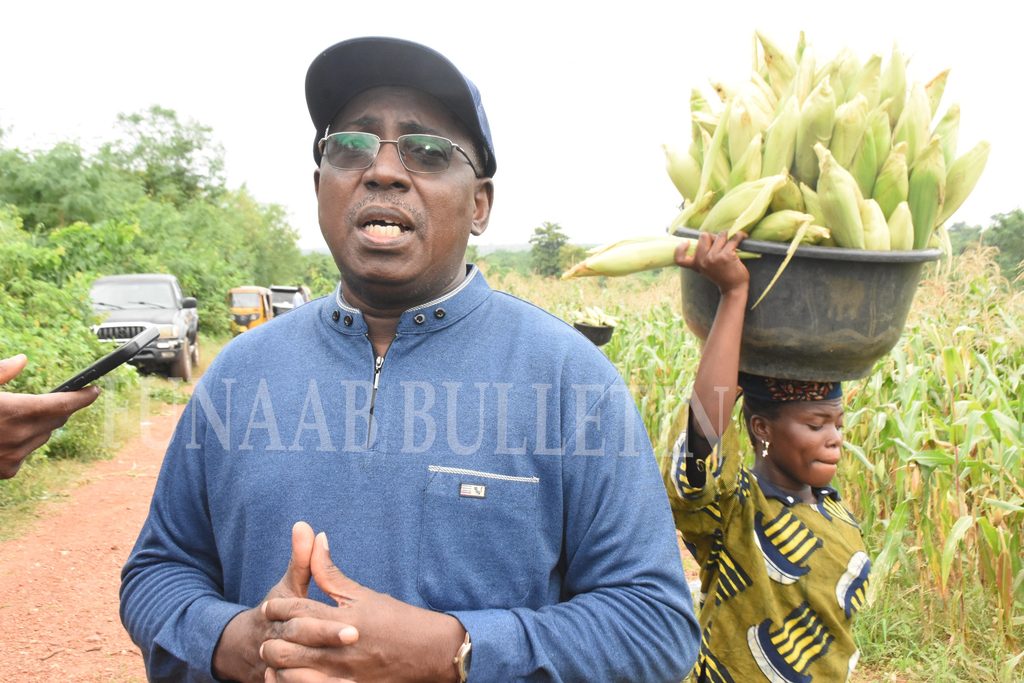
Prof. Kehinde disclosed this today, August 27, 2026, during the commencement of the sale of the freshly harvested maize, describing the initiative as a practical demonstration of FUNAAB’s contribution to food security, agricultural revitalisation, student training and community development.
According to the Vice-Chancellor, the maize farm forms part of the Farm Practical Year (FPY) programme for 400-Level students, which exposes them to the realities of agricultural production and enterprise development across the value chain from production planning and cultivation to harvesting, marketing and commercialisation.
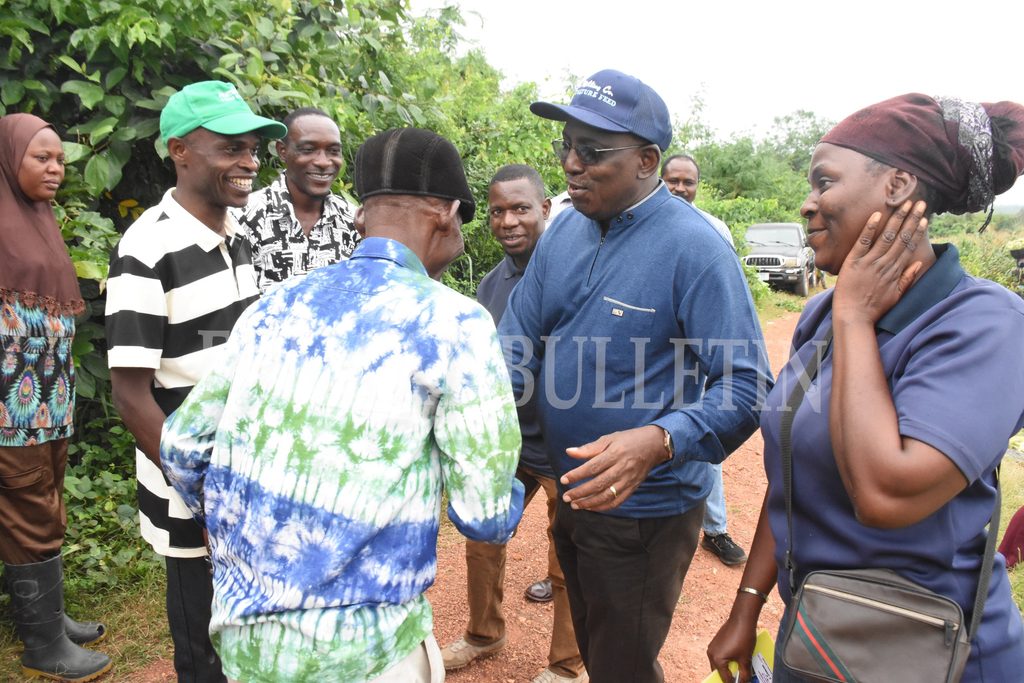
He explained that students had also been involved in the cultivation and marketing of vegetables, tomatoes under Greenhouse conditions and leafy vegetables in the field, stressing that such practical experiences were critical to producing graduates with the skills and entrepreneurial mindset required to drive Nigeria’s agricultural transformation.
Prof. Kehinde noted that FUNAAB was also complementing the Federal Government’s food-security efforts through the productive utilisation of its extensive land resources. He, however, observed that large-scale agricultural production required substantial funding and manpower, necessitating strategic partnerships.
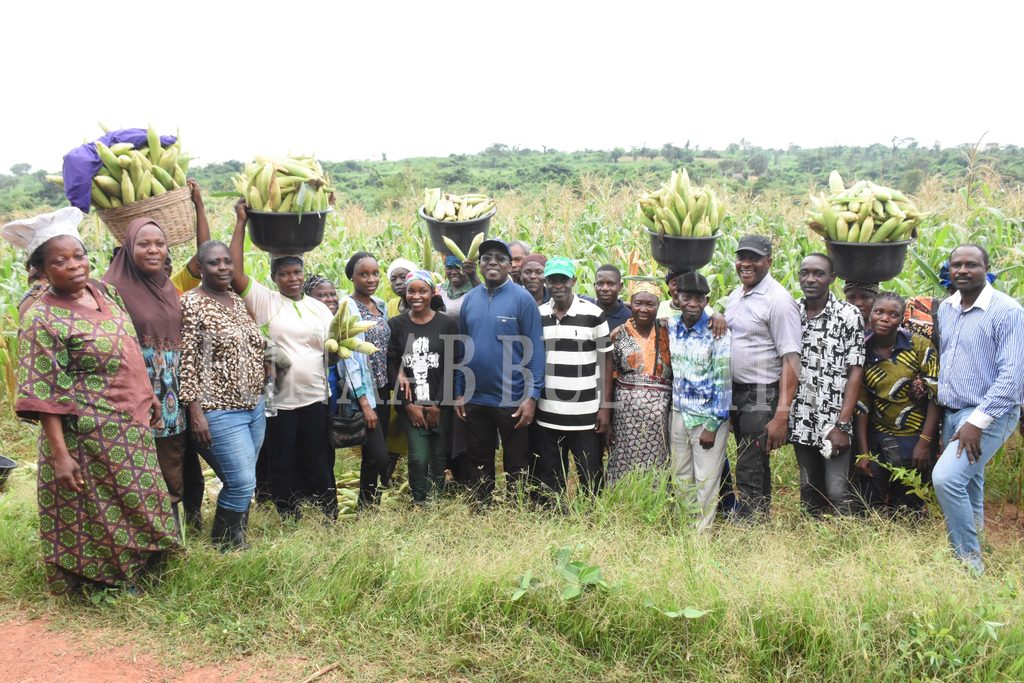
He disclosed that between 5,000 and 6,000 hectares of the University’s land were currently under cultivation through partnerships with several organisations, with about a dozen partners involved in various agricultural activities and some exploring agro-processing opportunities on campus.
The Vice-Chancellor further revealed that the FUNAAB Alumni Association had taken up approximately 2,000 hectares for cultivation, describing the development as a major outcome of the University’s Agricultural Revitalisation Programme.
He stressed that FUNAAB’s strategy was to transform its land resources into productive agricultural assets, while strengthening partnerships that would contribute to food production, employment, and enterprise development.
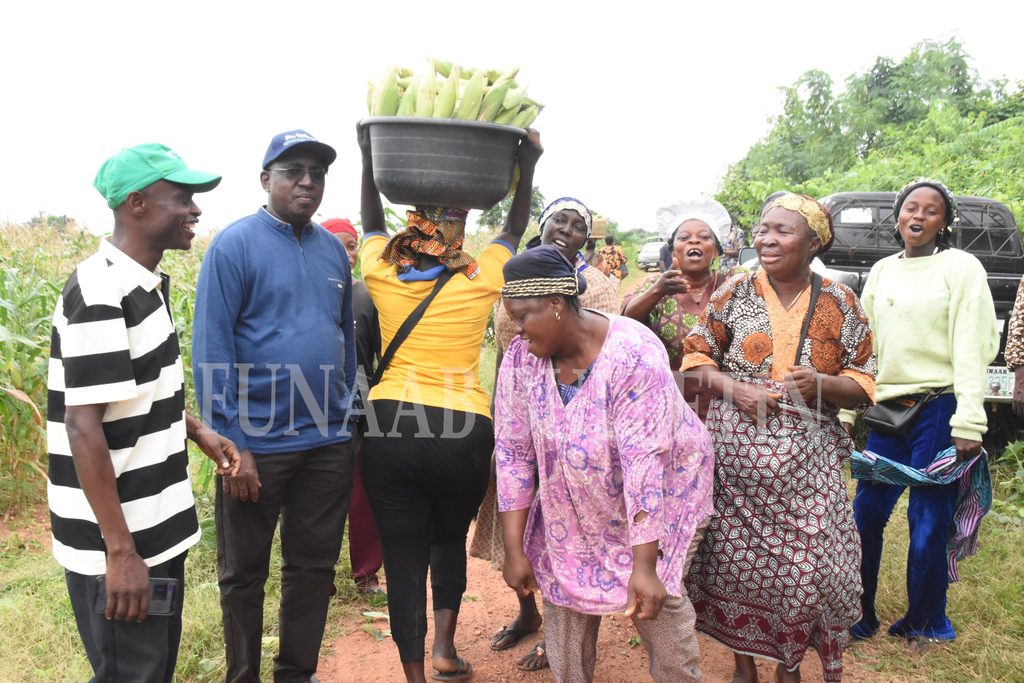
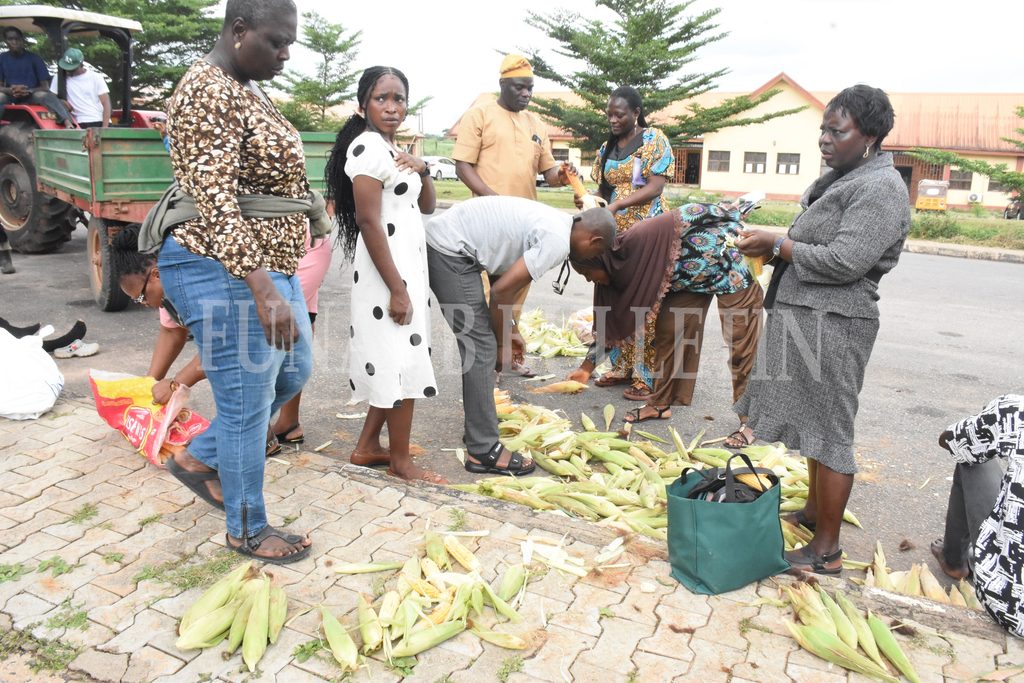
Corroborating the Vice-Chancellor, the Director of COBFAS, Prof. Dare Akerele, said the 8-hectare maize farm was being harvested in phases to ensure effective management and a steady supply of fresh maize. The freshly harvested maize is being sold at the Bus Stop opposite the Directorate of Public Relations to members of the University Community, market women and buyers from neighbouring towns and cities.
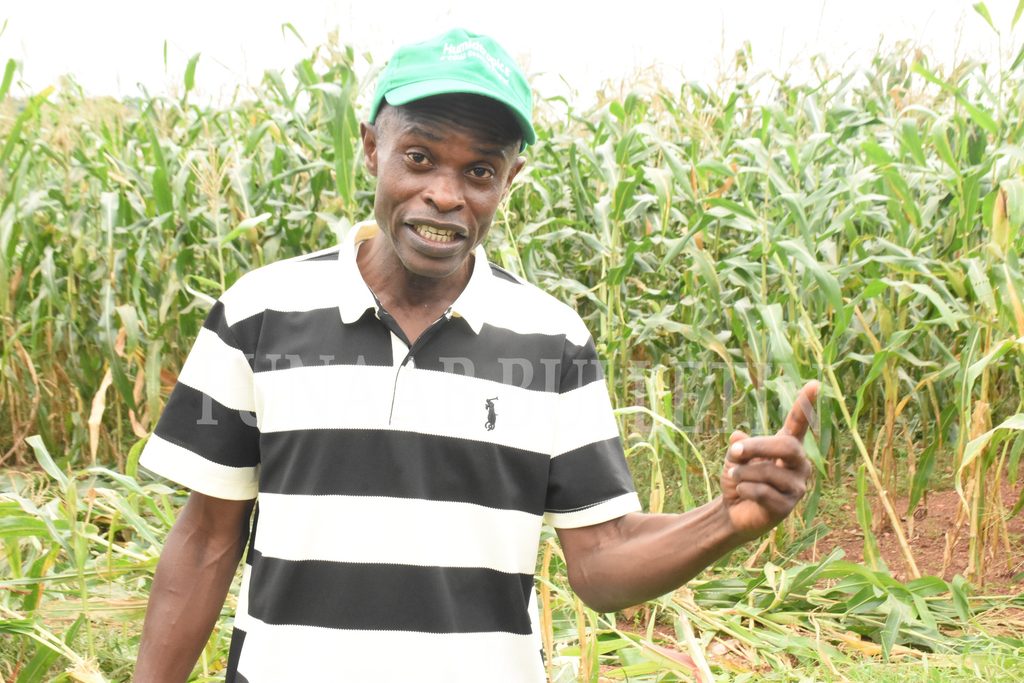
Prof. Akerele attributed the success of the project to the support of University Management, particularly the Vice-Chancellor, the expertise of COBFAS Agricultural Officers, favourable weather conditions and collaboration with Premier Seed, which supplied the improved, Vitamin A-rich maize variety. He added that the project was fully mechanised and the variety was also being evaluated for drought tolerance.
Looking ahead, he disclosed that COBFAS plans to cultivate about 10 hectares of maize during the dry season, with fertilisers and basic agrochemicals already procured. He said returning FPY students would participate in the project as part of their practical training, while the Centre would explore maize drying and threshing, animal feed production and poultry farming. Prof. Akerele expressed confidence that the initiatives would boost food security, entrepreneurship and local economic development, while calling for continued institutional support and collaboration.
The ongoing COBFAS initiative reinforces FUNAAB’s multifaceted contribution to SDG 2 through food production, practical agricultural education, sustainable farming, value addition, entrepreneurship, research, strategic partnerships and community engagement. It also advances related SDGs, particularly SDG 4 on quality education, SDG 8 on decent work and economic growth, SDG 12 on responsible consumption and production, and SDG 17 on partnerships for the goals.
#SDG2 #SDG4 #SDG8 #SDG12 #SDG17