Last Updated on June 10, 2026 by Olasunkanmi Olajide
By Olaoye Oyewole
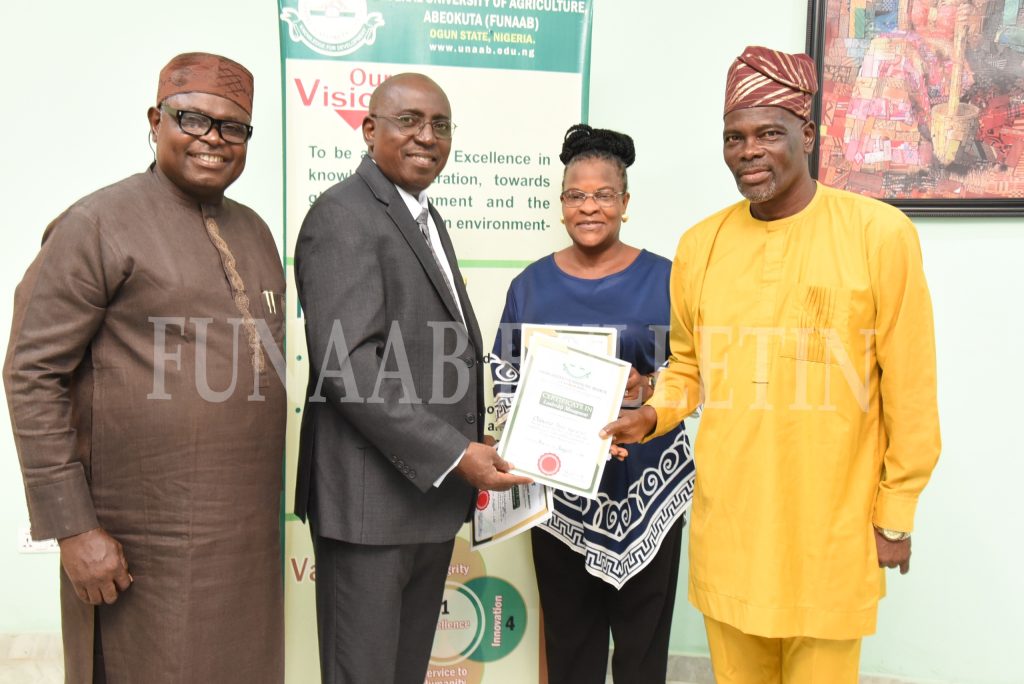
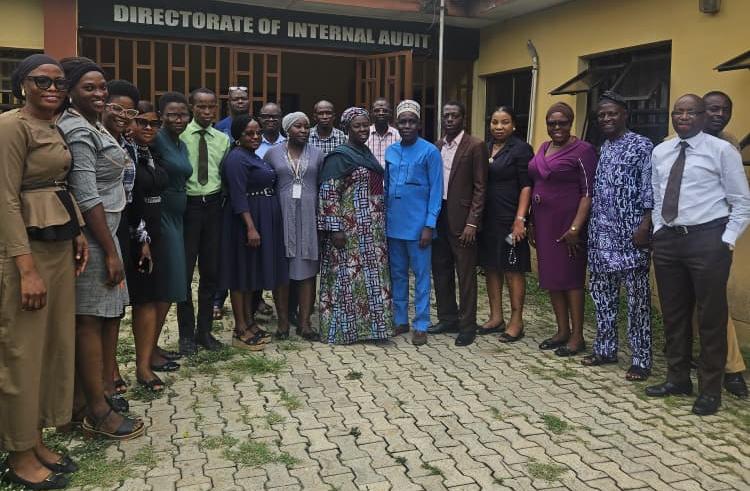
The Directorate of Internal Audit (DIA), today, June 4, 2026, organised an In-house Training programme to strengthen the capacity of Audit personnel in report writing, professional practice, and financial management.
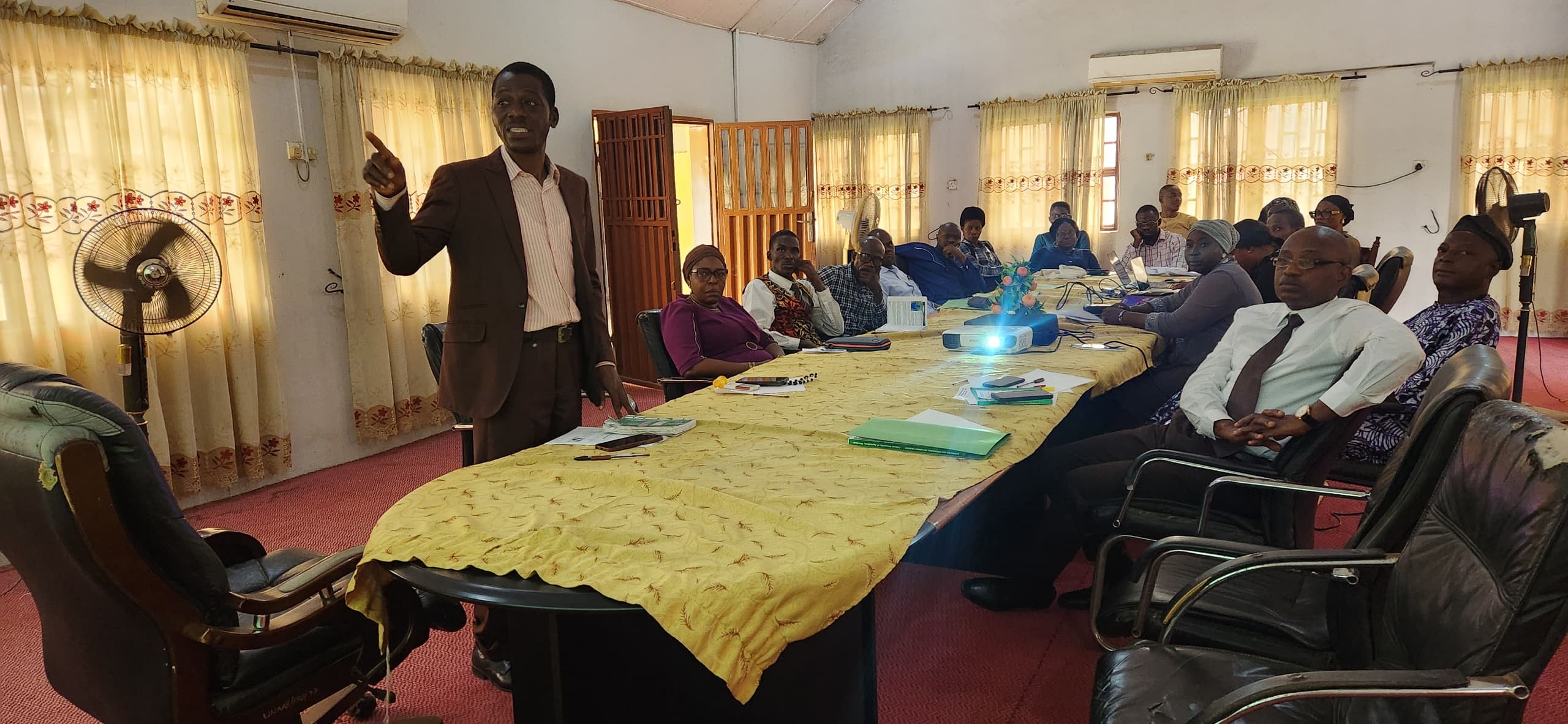
Delivering a paper titled, “Enhancing Internal Audit Effectiveness Through Quality Report Writing and Professional Practice,” the Director, FUNAAB Integrated Ventures (FIV) and former Director, Directorate of Internal Audit, Mr. Olufisayo Ambode, underscored the importance of quality report writing and adherence to professional standards in enhancing internal audit effectiveness.
According to him, the value of an audit extends beyond the identification of weaknesses and risks to the effective communication of findings in a clear, accurate, and objective manner that supports informed decision-making. He further highlighted the need for professional scepticism, independence, integrity, and continuous professional development in achieving quality audit outcomes.
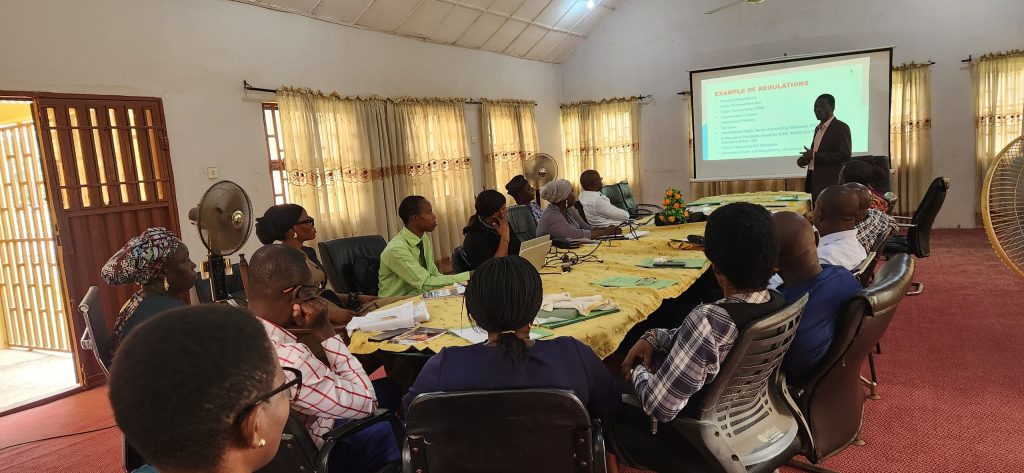
Mr. Ambode encouraged participants to embrace concise, evidence-based reporting techniques and align their activities with established professional standards to promote accountability and strengthen internal control systems.
In another presentation titled, “Essentials of Internal Audit Report,” the Ag. Director of the Directorate, Mr. Kehinde Ajayi, described the audit report as a critical tool for communicating audit findings and recommendations to Management. He emphasised that effective audit reports must be clear, accurate, objective, timely, and evidence-based.
Mr. Ajayi identified audit findings, risk implications, recommendations, and management responses as key components of a quality audit report. He noted that effective audit reporting enhances decision-making, strengthens internal control systems, and contributes significantly to organisational performance.
Speaking on “Elements of Budget, Expenditure Control and Prepayment Audit,” Mr. Olufemi Owoade, a Deputy Director in the Directorate, stressed the importance of budgeting as a vital instrument for planning, resource allocation, and organisational control. He identified revenue projections, expenditure estimates, and performance targets as essential elements of a sound budgeting process.
He further explained that expenditure control measures help ensure that spending remains within approved budgetary limits and aligns with organisational objectives. According to him, prepayment audit plays a crucial role in verifying transactions before payment, thereby preventing errors, fraud, and unauthorised expenditures.
Earlier in his Welcome Address, Mr. Ajayi stated that the training programme was carefully designed to enhance participants’ knowledge, skills, and professional competence in key areas of internal auditing, financial management, and report writing. He noted that Internal Auditors play a vital role in promoting accountability, transparency, good governance, and effective risk management within organisations, adding that the topics selected for the programme were timely and relevant to the evolving demands of the profession.
The training concluded with a renewed call for effective audit reporting, prudent financial management, and strict adherence to professional standards as essential tools for promoting transparency, accountability, and overall institutional effectiveness within the University.