
Last Updated on July 21, 2026 by Olasunkanmi Olajide
By Olasunkanmi Olajide, Joy Adeyiga, Femi Dansu & Rasheed Amisu
Commercial activities within the Federal University of Agriculture, Abeokuta (FUNAAB) and its surrounding communities have witnessed a noticeable decline as students commence the end-of-session vacation, resulting in reduced patronage for businesses and campus transport operators.
A cross-section of entrepreneurs and service providers who spoke with FUNAAB Bulletin attributed the temporary decline in business activities to the departure of students, who constitute the largest percentage of their customers. They, however, expressed optimism that commercial activities would rebound with the commencement of the 2026/2027 Academic Session.
The Chief Executive Officer of DE-MAFAS Petroleum, located opposite the University’s Ceremonial Gate, Alhaji Fatai Soyoye, disclosed that fuel sales had dropped significantly since students left the campus.
According to him, the absence of students has had a direct impact on patronage, as they account for a substantial proportion of daily customers. He expressed hope that business activities would improve once students resume academic activities.
Similarly, the Chief Executive Officer of Thywill Tech Limited, Mrs. Ade Omolara, described the vacation period as challenging for her business, noting that students remain the primary target market for the establishment.
“Our everyday market is the students, but now they are on holiday. There is little we can do except to remain hopeful until they return,” she said.
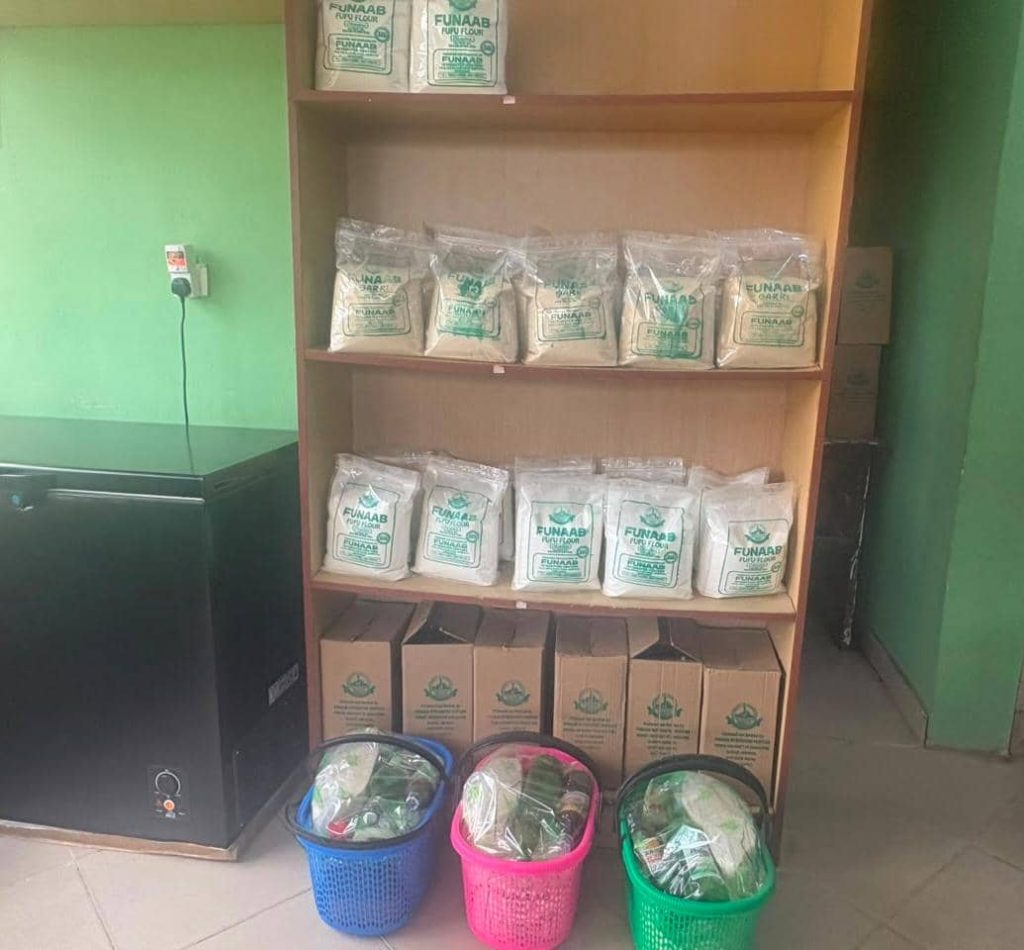
Speaking on the situation, a sales representative of the FUNAAB Integrated Ventures (FIV) Shop, located beside the Directorate of Public Relations, Mrs. Morufat Bolaji, explained that although customer patronage had reduced during the vacation, the outlet remained fully operational and continued to offer high-quality products produced by the University.
She noted that the shop maintains adequate stock throughout the year and provides a wide range of products, including garri, fufu flour, honey, palm oil, cashew nuts, beverages, snacks and other agricultural produce to members of the University Community and the general public.
A food vendor, Mrs. Kabirat Makinde, popularly known as Iya Waris , also confirmed that sales had declined considerably since the commencement of the vacation. While appreciating the continued patronage of staff members, she observed that it could not compare with the level of business generated during the academic session when students were on campus.
She added that vendors were making deliberate efforts to sustain their businesses despite the temporary reduction in demand and remained optimistic that sales would improve with the resumption of academic activities.
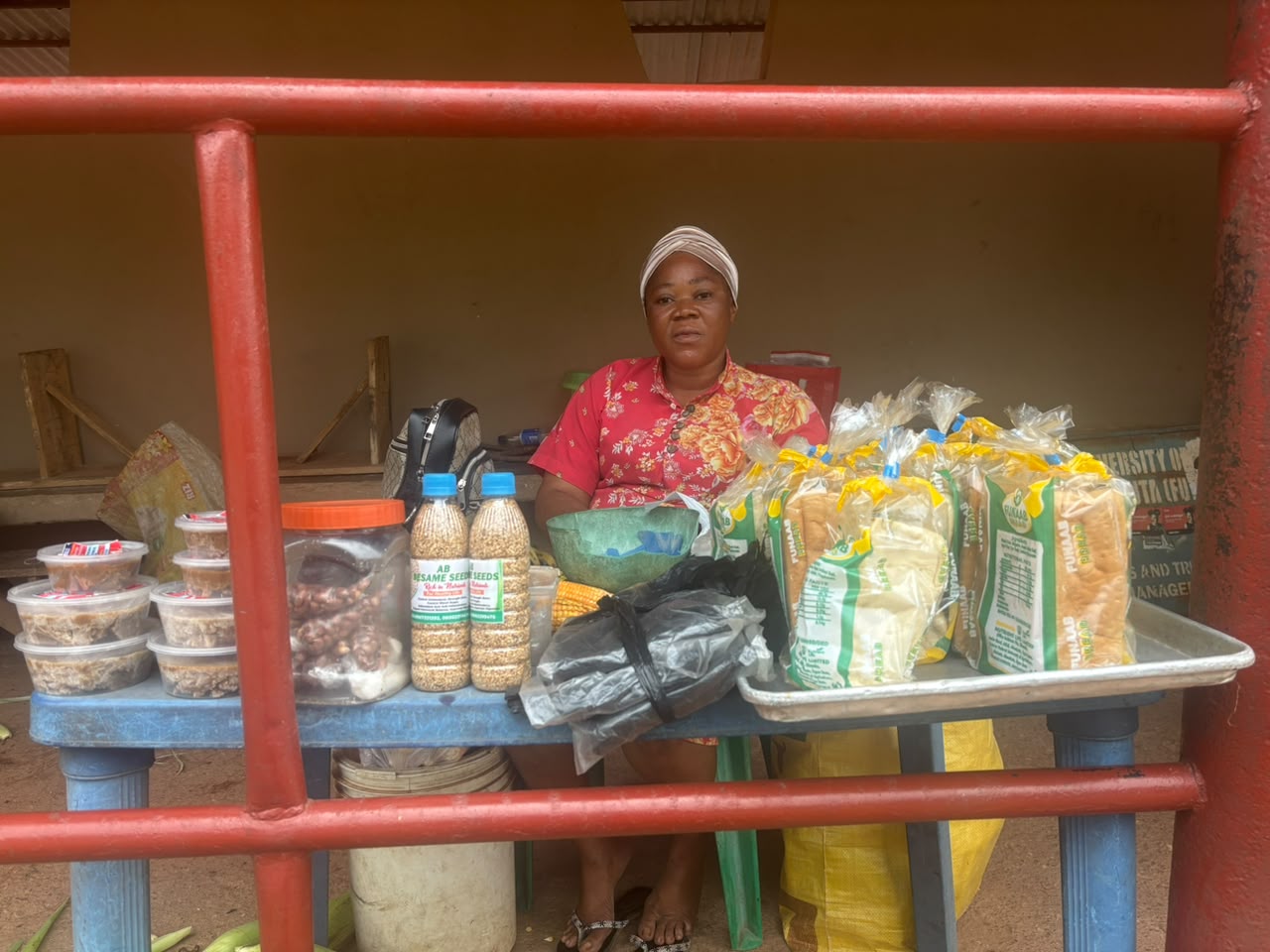
Also speaking, a bread vendor, Mrs. Joke Obadeyi, attributed the decline in sales to the absence of students, who account for the majority of her customers. She explained that although she sells different varieties of bread and pastries, including meat pies, she noted that demand, particularly for the smaller loaves commonly purchased by students, had reduced significantly during the holiday period.

According to her, patronage from staff members had helped to keep the business afloat, though it falls short of the volume of sales usually recorded during the academic session. She expressed confidence that business would return to its normal level once students resume.
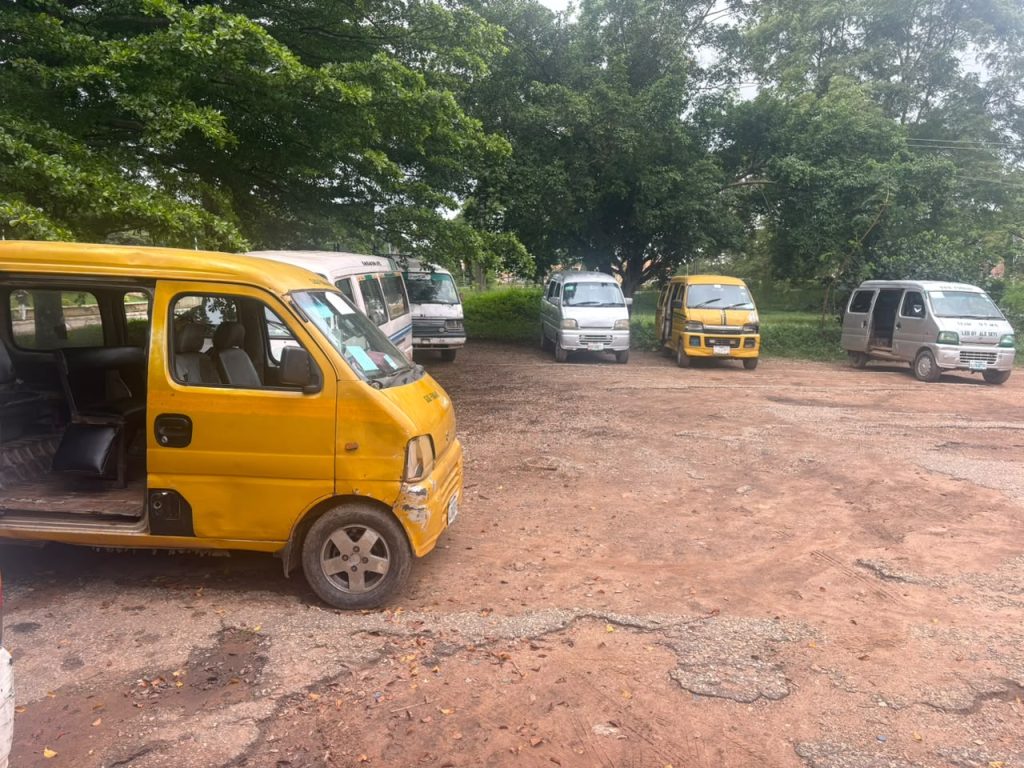
The vacation has equally affected transportation services on campus. Speaking on behalf of transport operators, a tricycle (Keke Marwa) operator, Mr. Isaac Abolade, and a mini-bus (Korope) driver, Mr. Mike Ibitoye, described the period as particularly challenging due to the sharp decline in passenger traffic.
They explained that students constitute the bulk of daily commuters, making transportation services more vibrant during the academic session. With students away, only a limited number of staff members and visitors require transportation, resulting in fewer trips, reduced daily earnings, and longer waiting periods before securing passengers.
Despite the slowdown, they affirmed that transport services have continued uninterrupted across the campus and expressed optimism that passenger traffic would increase immediately students return, as movements to lecture halls, hostels, Colleges and other University facilities would restore the usual demand for transportation services.
The operators further noted that they had continued to maintain cordial relationships among themselves while looking forward to improved business opportunities in the new session.
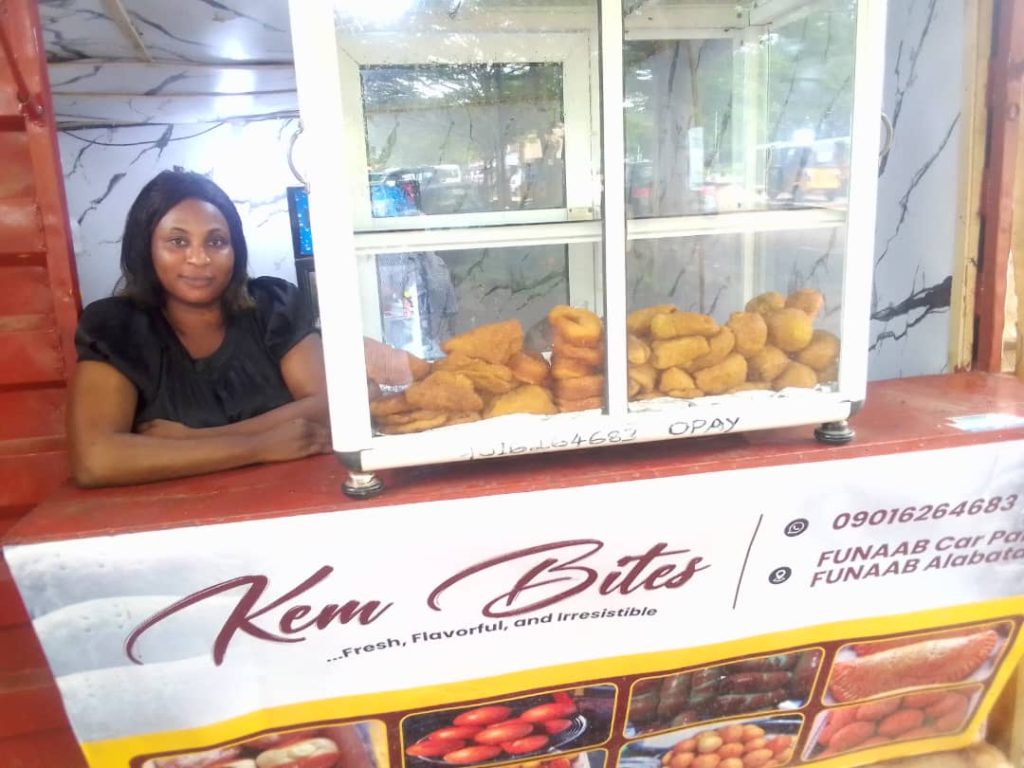
Another business operator, Mrs. Oluwakemi Balogun of Kembite Foods, also lamented the decline in patronage, saying business during the vacation period was a far cry from what obtains when students are on campus.
“We cannot wait to have the students back because they are the reason businesses thrive in FUNAAB,” she remarked.
The business owners unanimously expressed confidence that the resumption of students would revive commercial activities, restore customer patronage and improve the livelihoods of entrepreneurs, traders and transport operators whose businesses depend largely on the University’s vibrant student population.
As the 2025/2026 Academic Session officially winds down on July 23, 2026, members of the University’s business community are eagerly looking forward to the commencement of the 2026/2027 Academic Session, when economic activities across the campus are expected to regain their usual vibrancy.