Last Updated on May 18, 2026 by Olasunkanmi Olajide
By Femi Dansu
The College of Agricultural Management and Rural Development (COLAMRUD), today, May 12, 2026, held a workshop on research ethics policy implementation titled, “Stepping Down FUNAAB Research Ethics Policy into the COLAMRUD Framework.”
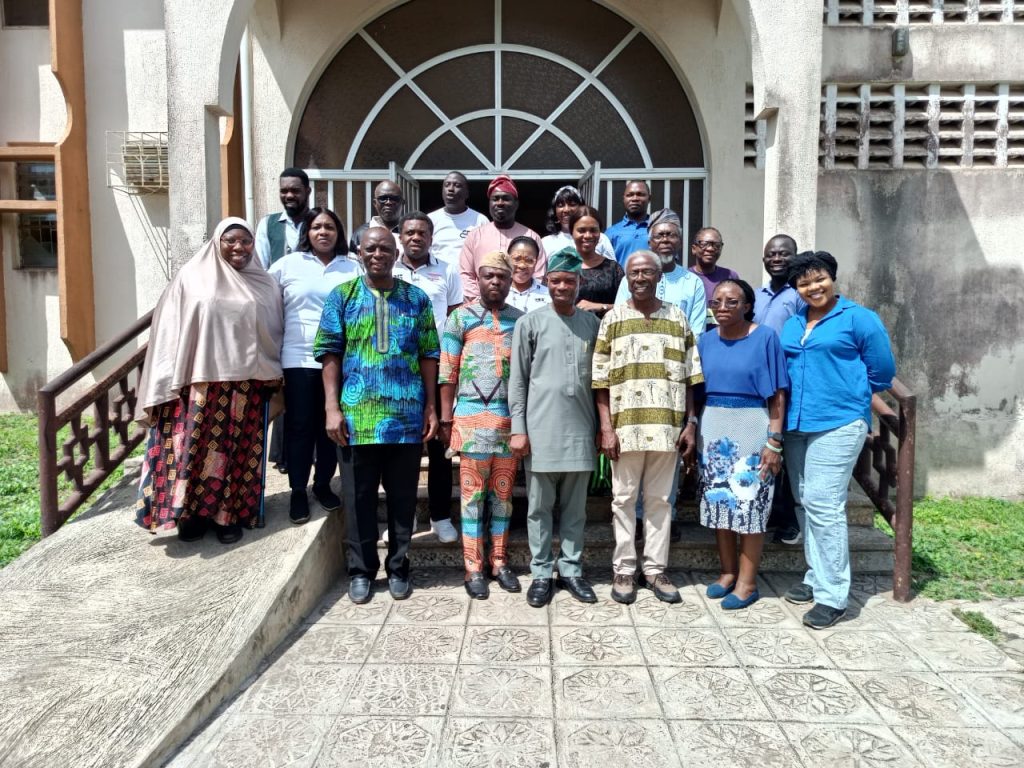
The workshop, held at the COLAMRUD Board Room, brought together members of the University Research Ethics Committee, Resource persons, Heads of Departments, Professors, researchers, and staff to deliberate on the importance of integrity, accountability, and responsible conduct in research activities.
Speaking during the Opening Session, the Dean of COLAMRUD, Prof. Emmanuel Fakoya, described the workshop as timely and significant, stressing that research remained one of the core mandates of the University. According to him, the credibility and societal relevance of research can only be sustained when founded on sound ethical principles.
Prof. Fakoya, also the Chairman of the Committee of Deans and Directors (CODAD), noted that increasing concerns surrounding plagiarism, data integrity, authorship disputes, confidentiality, informed consent, and responsible conduct of research had further reinforced the need for stronger institutional commitment to research ethics.
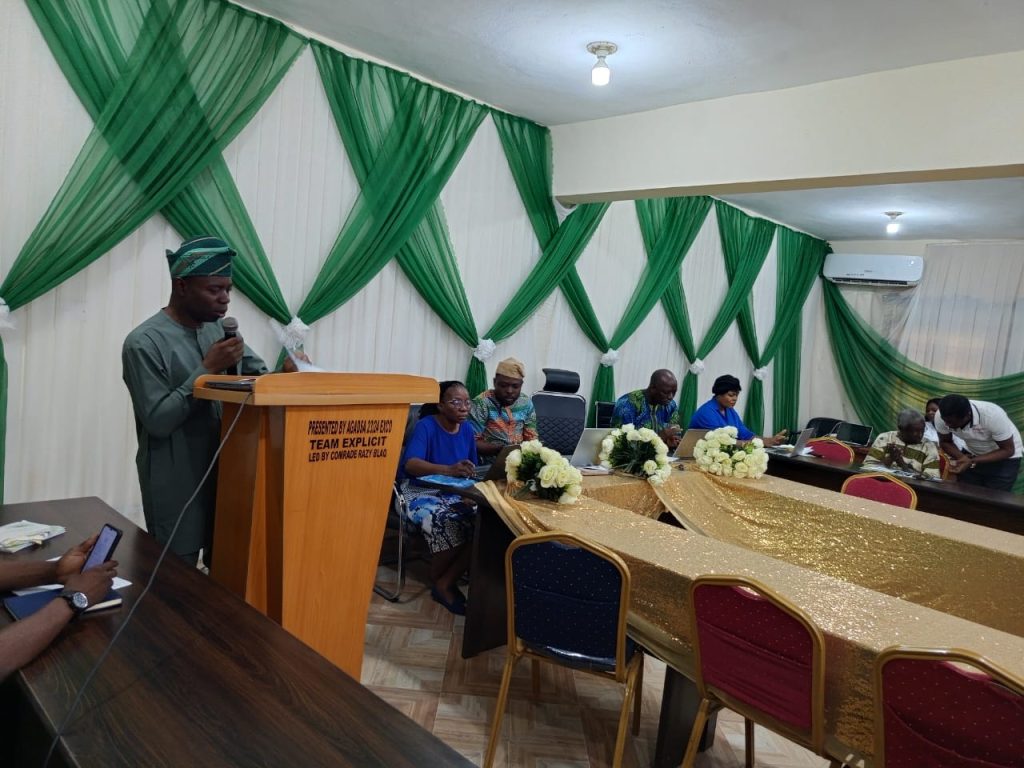
He explained that the workshop was organised not only to create awareness about the FUNAAB Research Ethics Policy, but also to domesticate and operationalise the policy within the College framework. The Dean added that as a College deeply involved in community-based research, agricultural extension, rural development interventions, and socio-economic studies involving human participation, ethical compliance must remain a top priority.
The Dean further encouraged participants to actively engage in discussions and contribute practical ideas capable of strengthening ethical practices in teaching, supervision, fieldwork, research, and publications across the College.
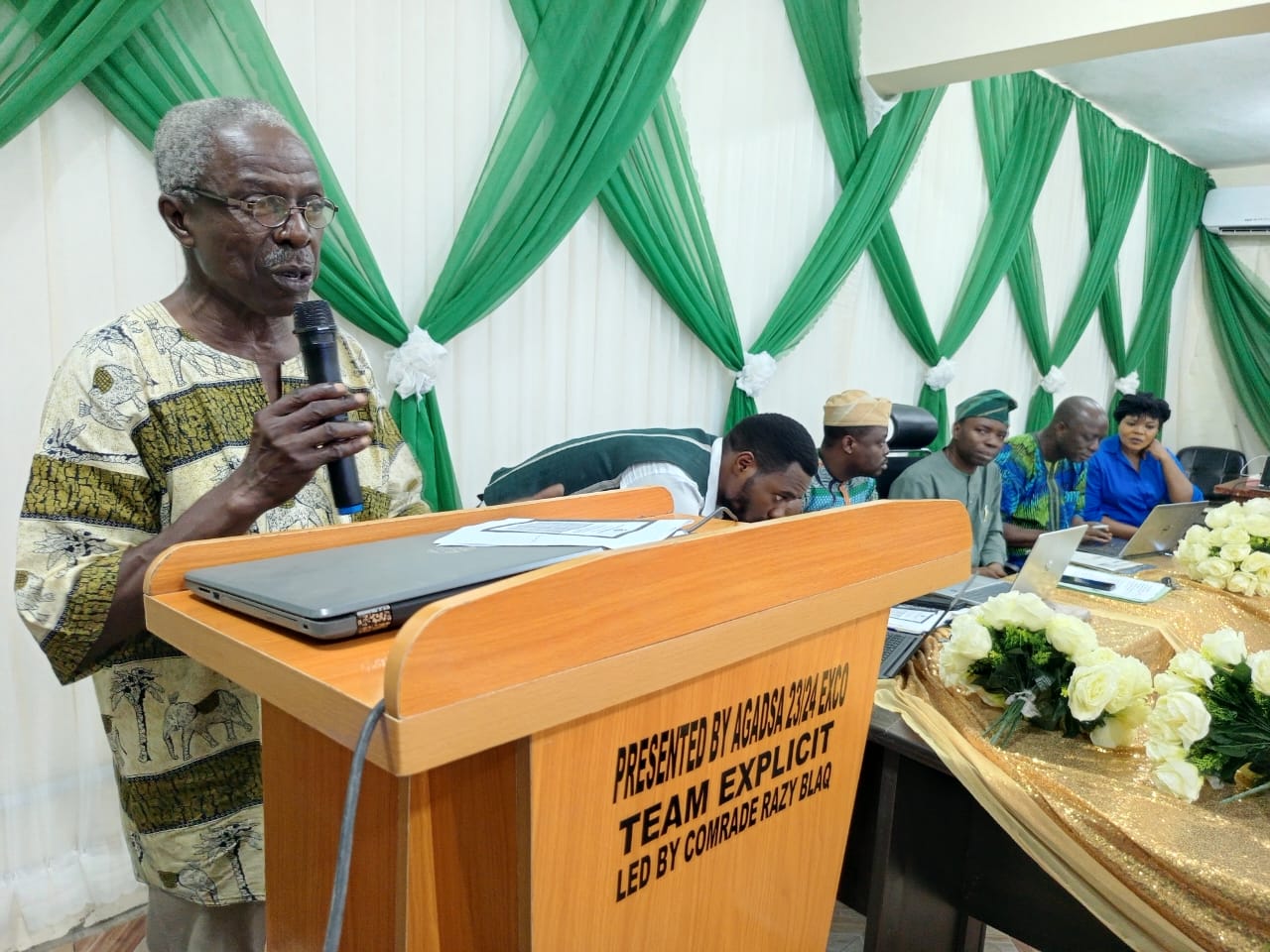
In his presentation, the Chairman of the University Research Ethics Committee, Prof. Isaac Ayelaagbe, shared insights drawn from over four decades of research experience. He cautioned researchers against acts capable of damaging academic reputation, noting that a single ethical mistake could destroy years of hard work and credibility.
Prof. Ayelaagbe described research ethics as an evolving process requiring continuous learning and vigilance. He urged participants to transfer the knowledge gained from the workshop to Postgraduate and Undergraduate students in order to build a sustainable culture of ethical compliance within the University Community.
Using the global anti-tobacco campaign as an example, he explained how persistence and courageous advocacy eventually compelled the tobacco industry to openly acknowledge the dangers of smoking despite its influence and financial power. According to him, the same persistence was required in promoting integrity and accountability in research.
He expressed confidence that COLAMRUD would emerge as a leading example of ethical best practices within FUNAAB, particularly as social science-related studies often involve extensive human participation and therefore require strict ethical compliance.
The workshop also featured interactive sessions facilitated by Resource persons, including a former Deputy Vice-Chancellor, Development, Prof. Kola Adebayo; Head, Career Services and Linkages Unit (CSLU), Prof. Elijah Obayelu and Prof. Enitan Fapojuwo.