Last Updated on April 13, 2026 by Olasunkanmi Olajide
By Olaoye Oyewole & Tayo Onayemi
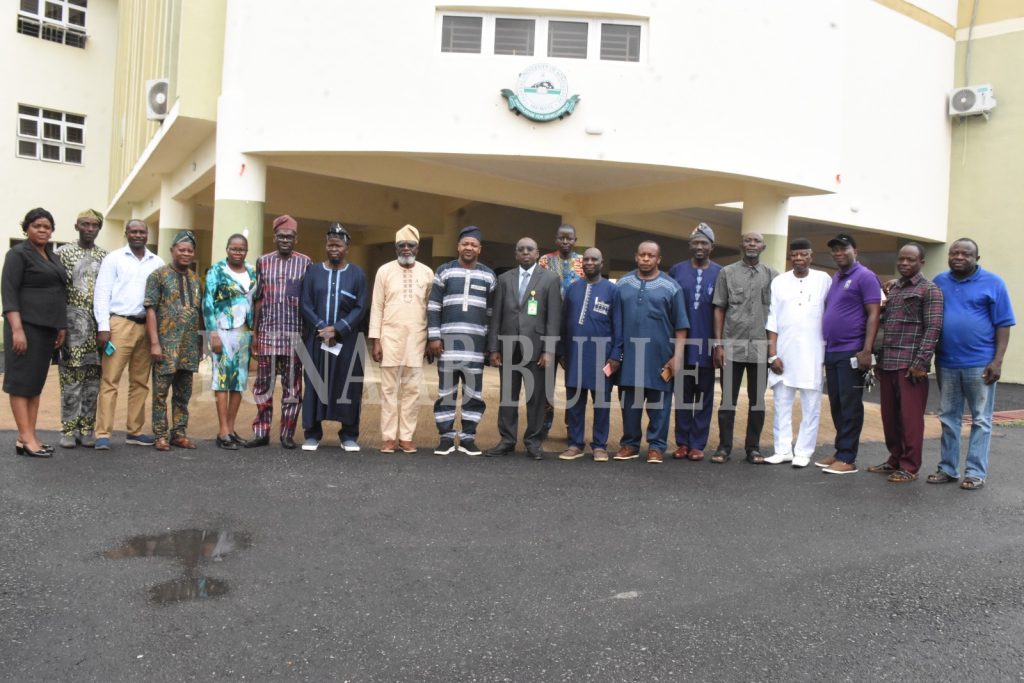
The Directorate of University Farms (DUFARMS), Federal University of Agriculture, Abeokuta (FUNAAB), on April 8, 2026, organised its 2026 Pre-Season Farming Seminar, bringing together internal and external stakeholders to explore strategies for advancing agricultural innovation and boosting revenue generation within the University.
Declaring the seminar open, the Vice-Chancellor, Prof. Babatunde Kehinde, noted the significance of collaboration, knowledge sharing, and continuous learning in achieving institutional objectives, describing the seminar as both timely and essential.
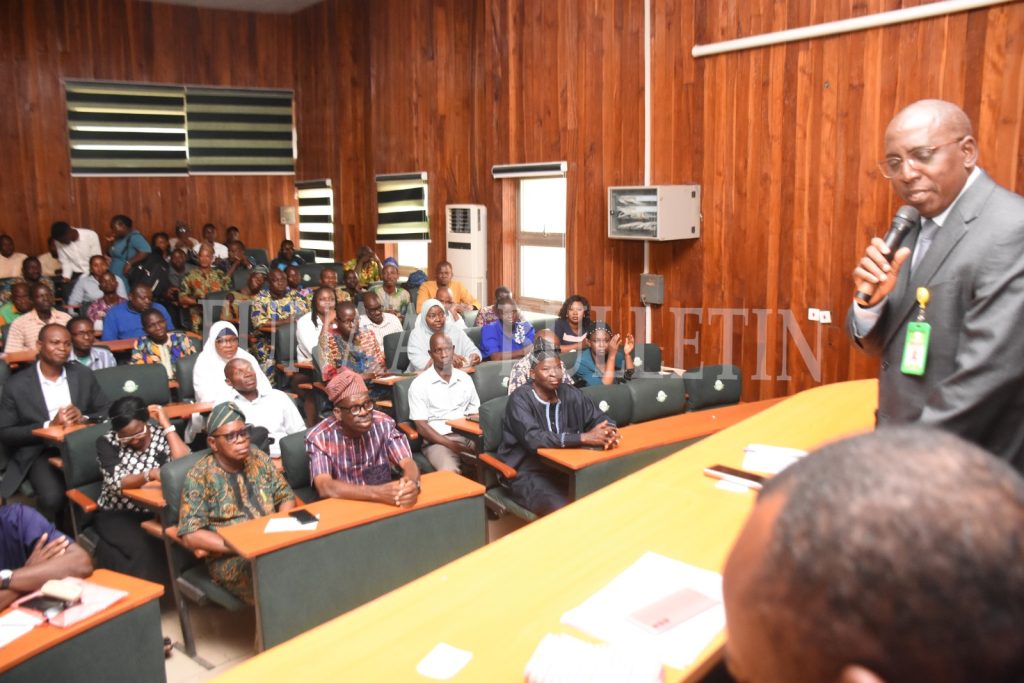
The Vice-Chancellor emphasised that the University was established not only for teaching and research but also for meaningful community engagement, particularly in supporting farmers to enhance productivity.
Commending DUFARMS for its efforts, Prof. Kehinde lauded the Directorate’s introduction of value addition initiatives and encouraged staff, especially in livestock production, to scale up activities in poultry, beef, pork, and egg production to improve the visibility and impact of the University Farms. He added that initiatives such as the revitalised Graduate Farmers Employment Scheme (GRADFES) reflects the University’s commitment to graduate empowerment and agricultural development.
The seminar featured a keynote lecture delivered by Dr. Basiru Ojo, titled “The University Farm as an Incubation Ground for Innovation and Revenue Generation.” In his presentation, Dr. Ojo noted that university farms have evolved from their traditional roles into dynamic centres for innovation, entrepreneurship, and industry collaboration.
He identified key areas where university farms serve as innovation hubs, including research and development, student entrepreneurship, technology transfer, and interdisciplinary collaboration. He further encouraged DUFARMS to explore opportunities in commercial agricultural production, value addition and agro-processing, consultancy services, research partnerships, agritourism, and intellectual property commercialisation.
Highlighting potential challenges, Dr. Ojo pointed to issues such as inadequate funding, weak industry linkages, climate change, environmental risks, and limited commercial orientation. He, however, proposed strategies for optimisation, including the adoption of agribusiness models, integration of modern technologies, strengthened partnerships, promotion of student-led enterprises, and the development of sustainable value chains.

Reflecting on the evolution of DUFARMS, Dr. Ojo paid tribute to past Vice-Chancellors, beginning with the pioneer Vice-Chancellor, Prof. Nimbe Adedipe, whose vision led to the establishment of the University Farm. He also acknowledged milestones recorded under successive administrations, including the expansion of cashew and oil palm plantations, as well as the establishment of processing facilities for value addition.
He further commended the contributions of past and present staff, alongside former students who have attained notable academic positions. He encouraged staff to uphold discipline, integrity, and continuous professional development.
As part of his recommendations for future growth, Dr. Ojo proposed the establishment of crop collection plots, revival of underutilised crops, exploration of cashew nutshell liquid production for revenue generation, and expansion of tree crop plantations such as cashew and oil palm.
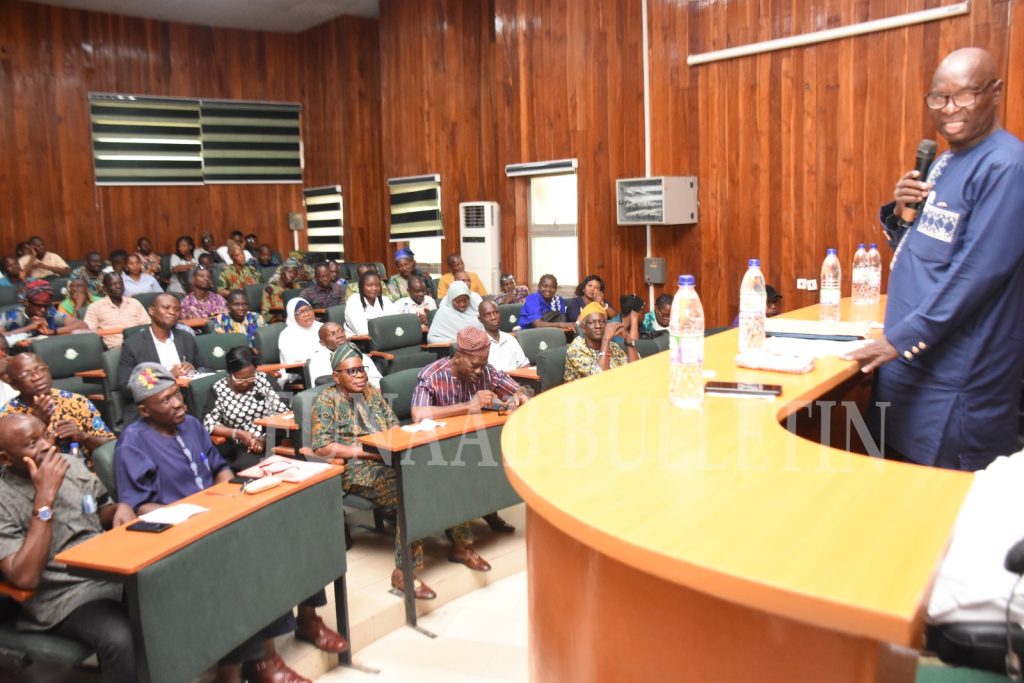
Earlier, the Ag. Director, DUFARMS, Dr. Emmanuel Bankole appreciated the participants for their presence, and called for more collaboration among farmers.
The seminar concluded with a renewed commitment by participants to reposition DUFARMS as a hub for innovation, practical training, and sustainable revenue generation, in line with global best practices.