Last Updated on May 18, 2026 by Olasunkanmi Olajide
… As FUNAAB Alumni Association Holds 28th Global Convention, 27th Annual Lecture Series
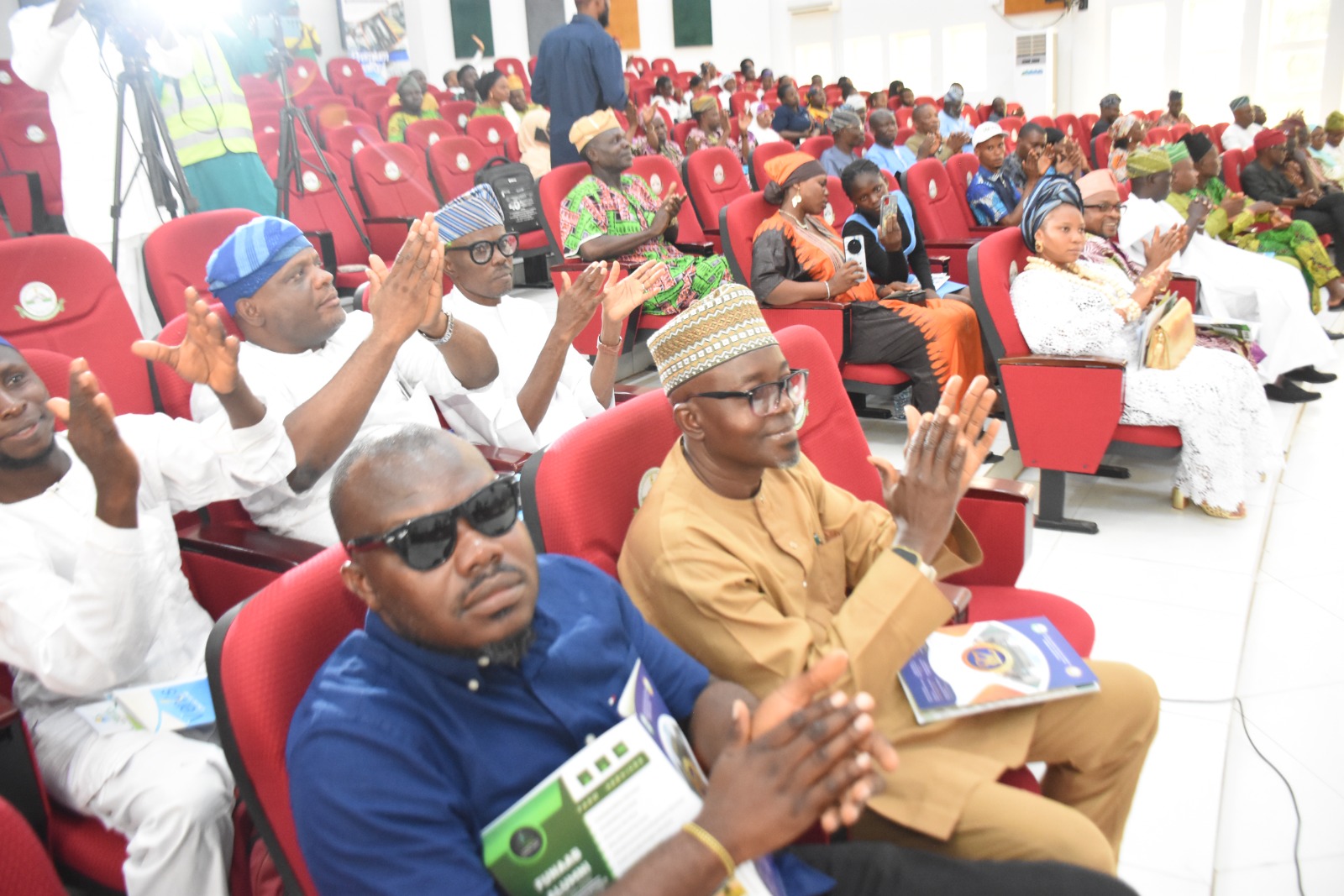
Nigeria’s push to reposition its economy beyond oil gained renewed momentum, today, May 2, 2026, as policymakers, industry leaders, and the global alumni of the Federal University of Agriculture, Abeokuta (FUNAAB), converged on its campus for a landmark gathering that spotlighted livestock development as a cornerstone of national growth.
The event themed “Crafting a Sustainable Business & Human Wellbeing”, the 28th Global Convention and the 27th Annual Lecture of the FUNAAB Alumni Association, brought into sharp focus the country’s ambition to transform its vast agricultural sector into a multi-billion-dollar engine for jobs, food security, and exports.
Delivering a Keynote Address, the Honourable Minister of Livestock Development, Alhaji Idi Mukhtar Maiha, outlined an aggressive roadmap to scale the livestock economy from its current estimated value of $32 billion to $74 billion within a decade. Represented by the Senior Special Adviser to the Honourable Minister on Knowledge Management & Communication, Mr. Richard-Mark Mbaram, the Minister stated that the strategy was anchored on the National Livestock Transformation Plan, alongside new financing and infrastructure initiatives. “The livestock sector is no longer a subsistence activity, it is a business ecosystem,” the Minister declared, emphasising a shift towards structured, sedentary, and productivity-driven systems. The creation of a dedicated livestock ministry, according to him, a first in Nigeria’s history by the President, His Excellency, President Bola Ahmed Tinubu, GCFR, was a decisive policy pivot aimed at unlocking value across meat, dairy, poultry, and related industries.
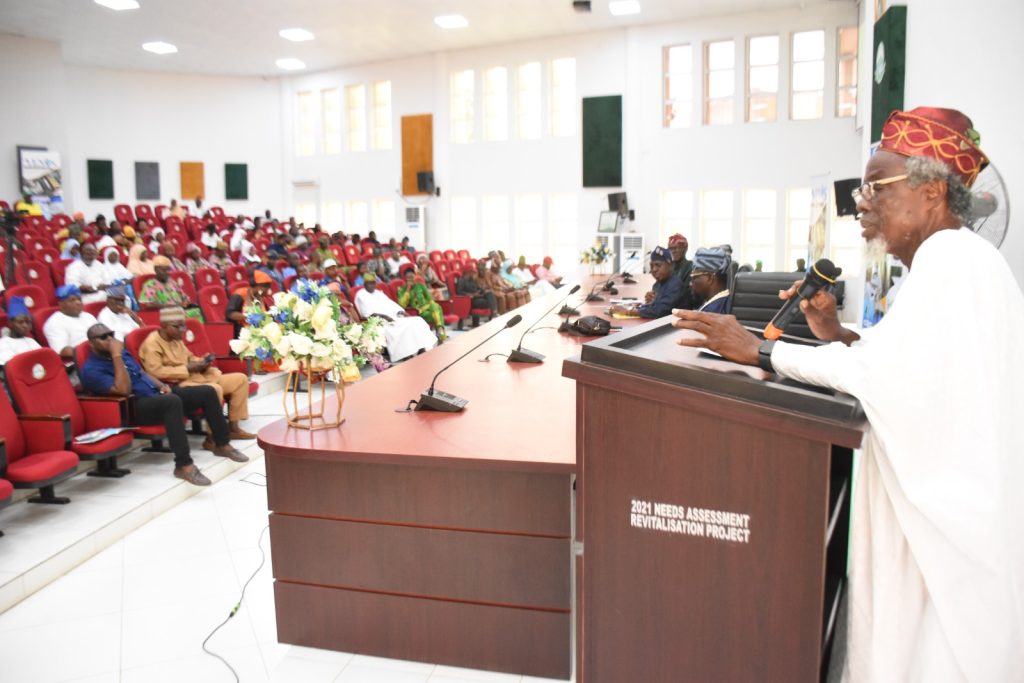
The Minister stated further that central to this transformation was a $300 million support package from the African Development Bank, targeting feed production, animal health systems, breed improvement, and rural infrastructure. The initiative was complemented by Nigeria’s participation in the Special Agro-Industrial Processing Zones Programme, which has already attracted over $530 million in investment to Ogun State alone.
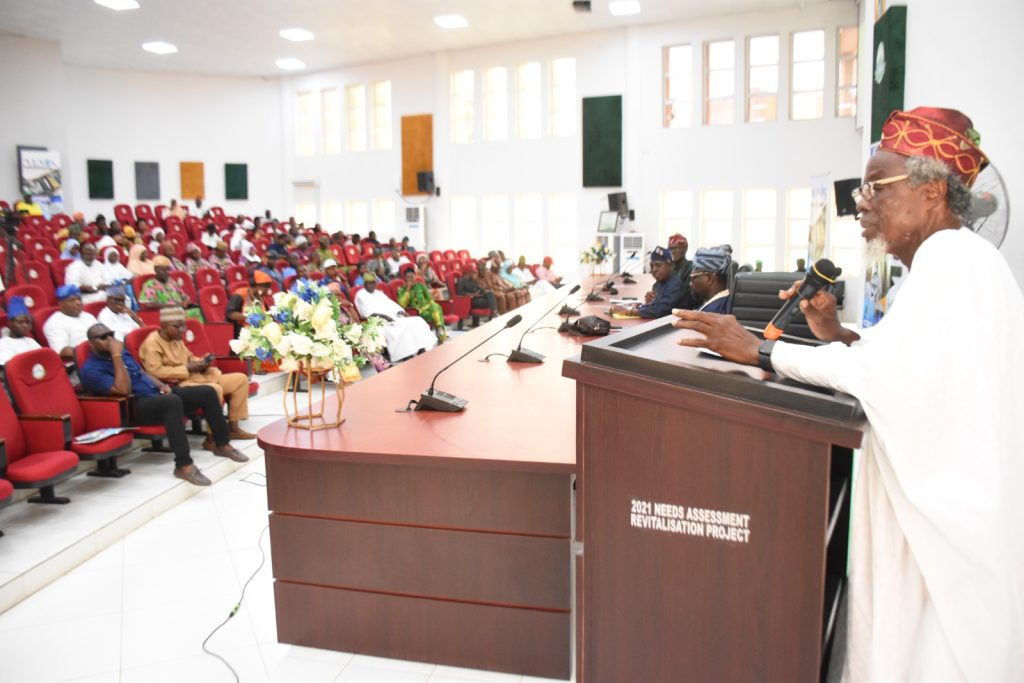
He noted that officials also emphasised the role of livestock in improving child nutrition through an expanded school feeding programme, supported by a $20 million grant from development partners. According to him, the initiative was designed not only to improve dietary protein intake among children but also to guarantee stable markets for local producers.
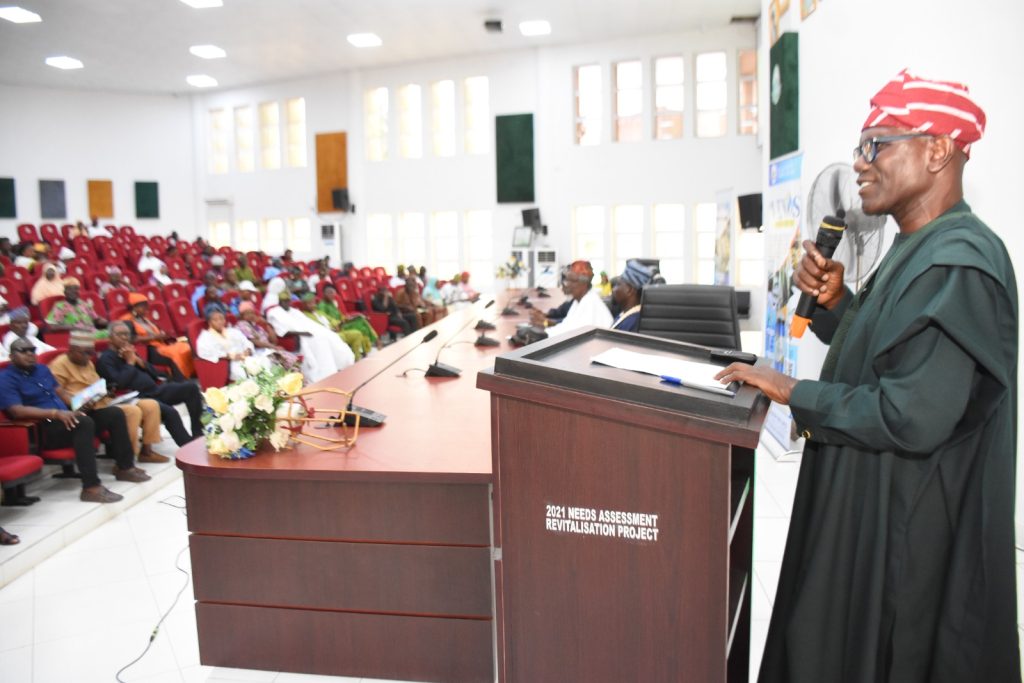
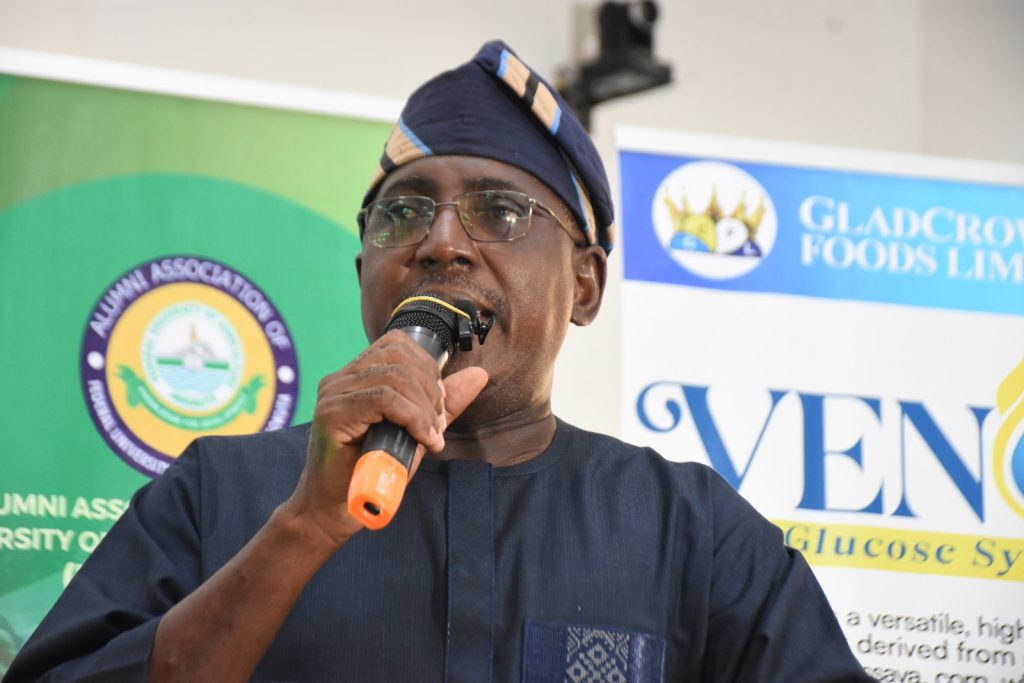
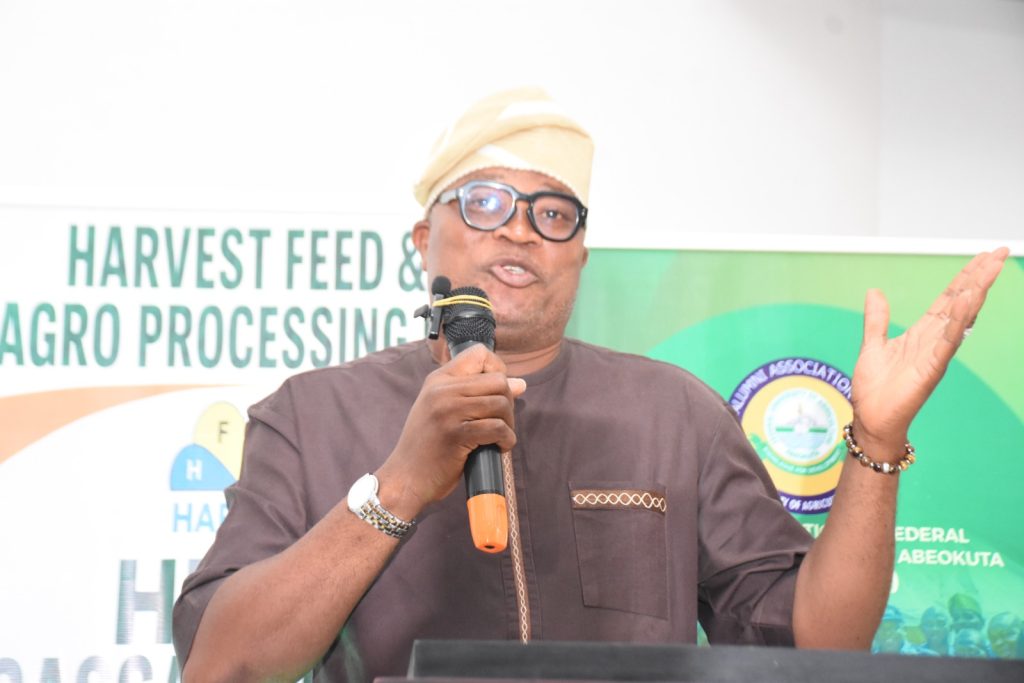
In the Lecture titled “A Megatrend Approach to Creating Long-Term Business and Investment in an Evolving Economy,” and delivered by an exceptional industrialist, Alhaji Goke Adeyemi, who urged a pragmatic approach to long-term investment in emerging economies. While acknowledging global “megatrends” such as artificial intelligence, demographic shifts, and energy transition, he argued that Nigeria’s most immediate opportunities lie in fixing basic inefficiencies, particularly post-harvest losses in agriculture.
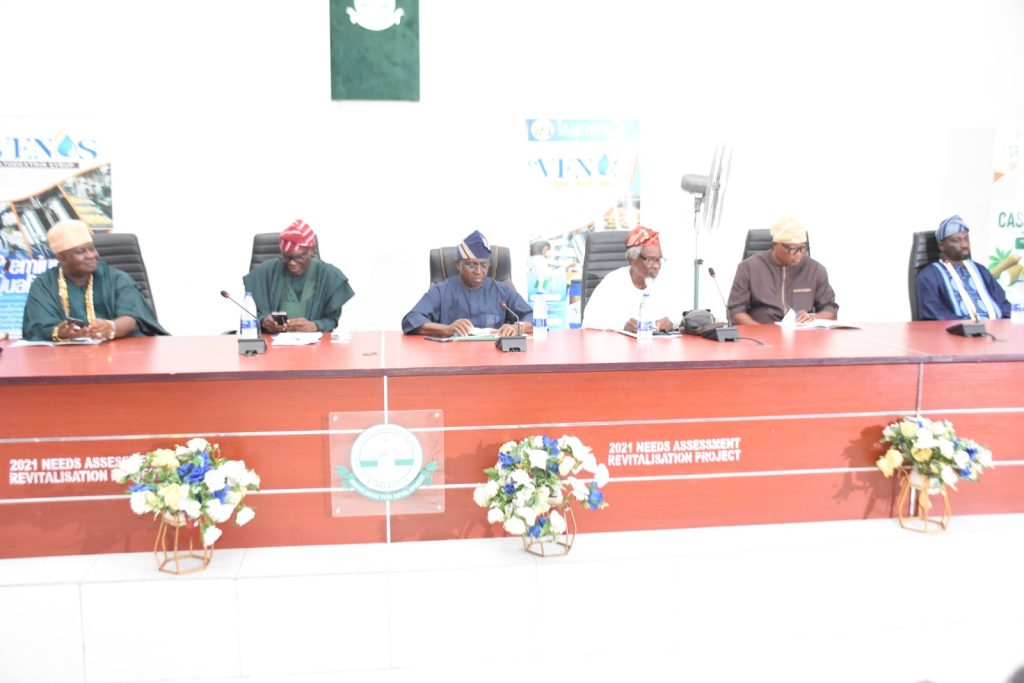
“Up to 50 per cent of Nigeria’s agricultural produce is lost due to poor storage, logistics, and processing,” he noted, pointing to cold-chain infrastructure, agro-processing, and market linkages as high-impact investment areas. “The fastest path to becoming a global agri-food exporter is not just technology, it is reliability and infrastructure, he stressed.”
In his Address, the Vice-Chancellor, Prof. Babatunde Kehinde, described the alumni network as a critical partner in institutional and national development. He cited ongoing alumni-led initiatives, including a 2,000-hectare farm hub, transport services, and student support programmes, as examples of how diaspora engagement can drive tangible impact.
The convention also drew royal and traditional leadership, with a Goodwill Message from the Alake and Paramount Ruler of Egbaland, HRM, Oba (Dr.) Michael Adedotun Aremu Gbadebo, Okukenu IV, who was represented by a former Vice-Chancellor of FUNAAB and the Fimogbayi of Egbaland, Prof. Oluwafemi Olaiya Balogun, the Alake reaffirmed local support for the University’s expansion and its role in regional stability and development.
For the Alumni Association, led globally by Otunba Bolaji Gbadamosi, the gathering was both a celebration of achievements and a call to action. With chapters across the United States, the United Kingdom, and Canada supporting scholarships, food programmes, and academic mentoring, the association is increasingly positioning itself as a transnational development network.
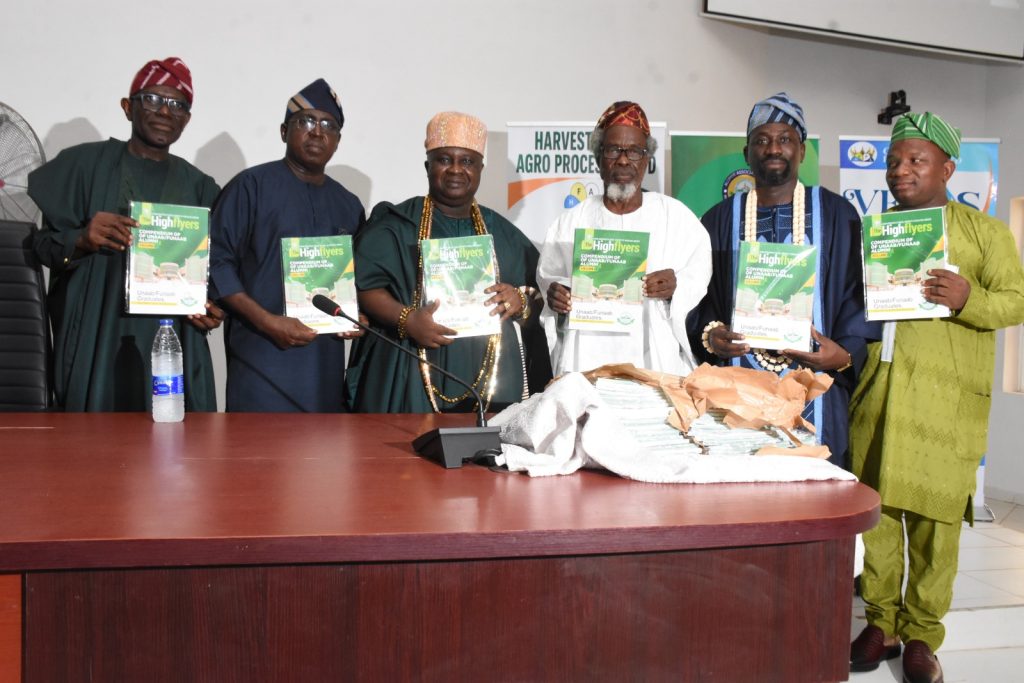
Key highlights of the Convention was the launching of the Maiden Alumni Compendium and a proposed partnership between the alumni body and the Federal Ministry of Livestock Development to transform the University’s farm hub into a national innovation and demonstration centre, an initiative aligned with Nigeria’s broader food security agenda.
As Nigeria navigates the global supply chain disruptions, the message from Abeokuta was clear: the future of Africa’s largest economy depends on how effectively it can modernise agriculture, and both its public and private institution work together to turn potential into productivity.
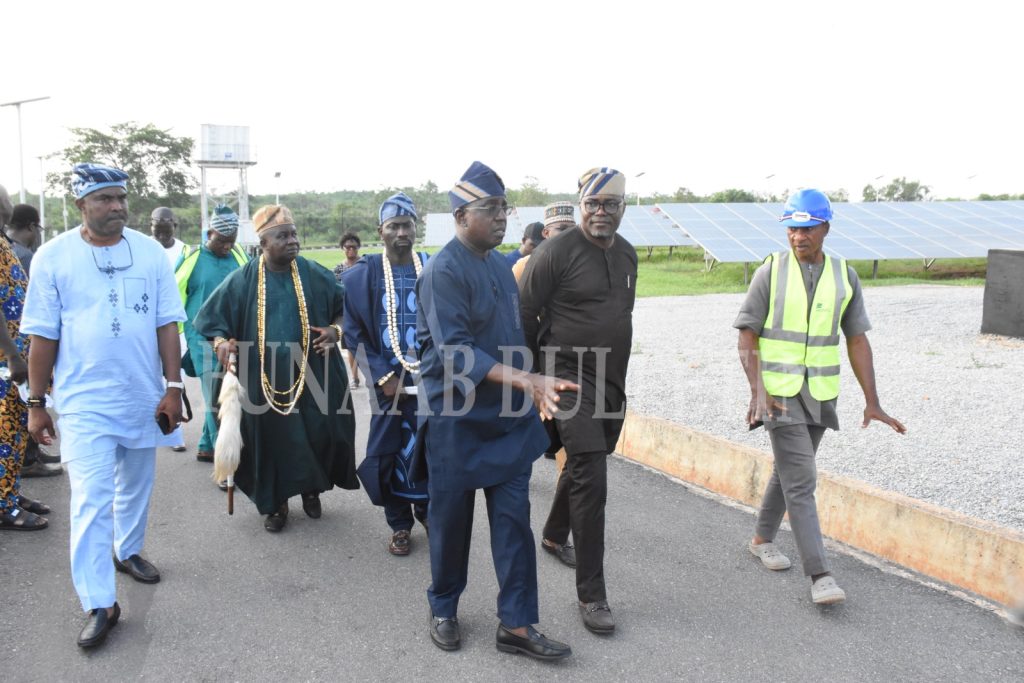
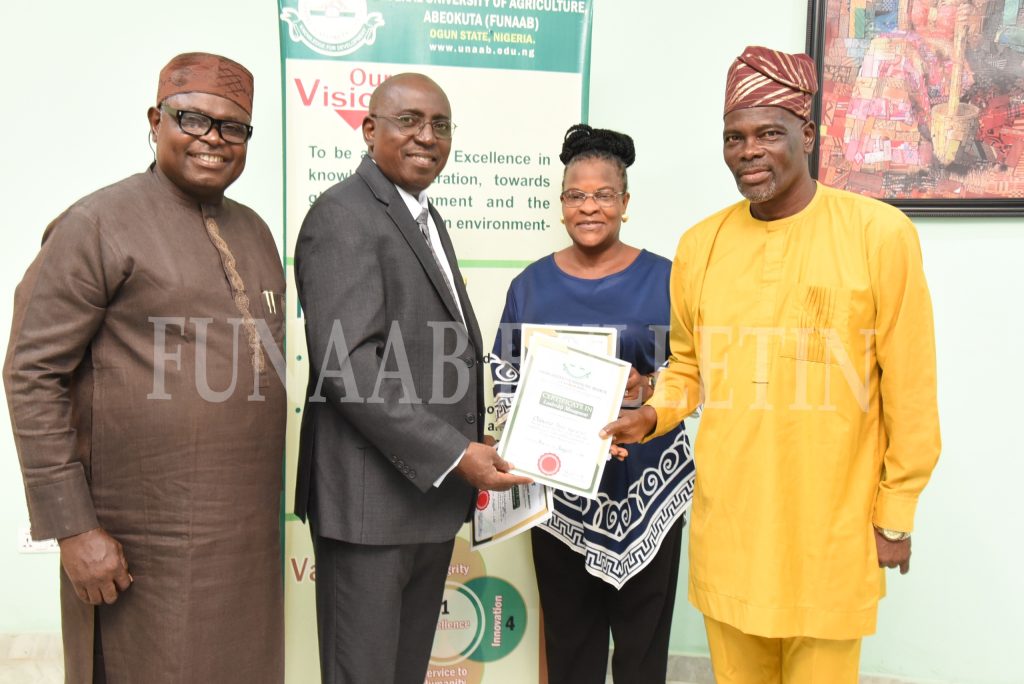
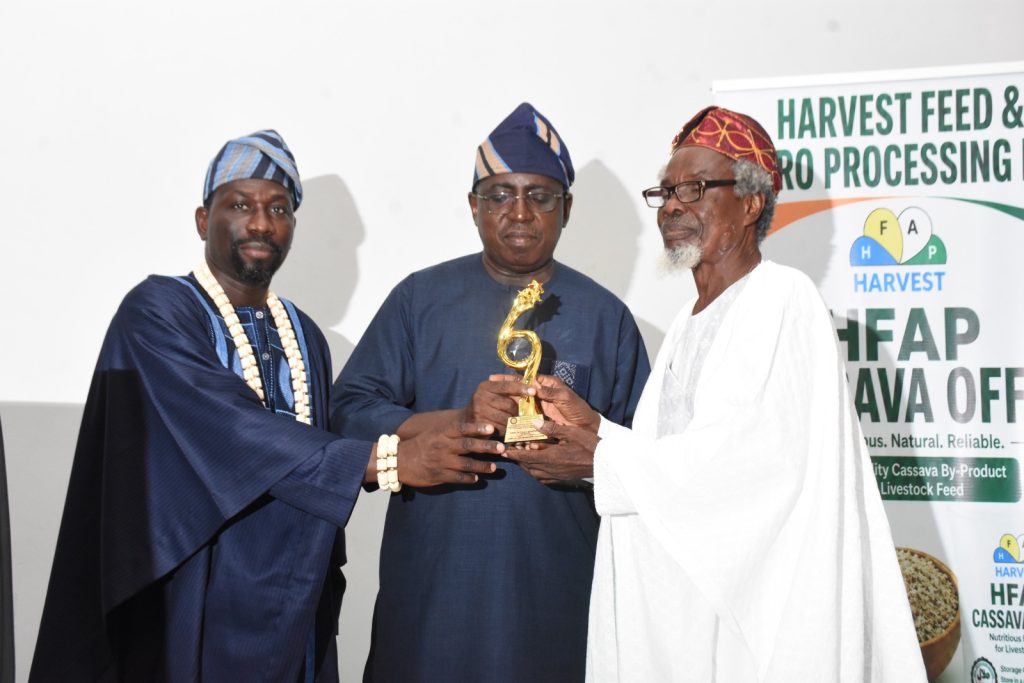
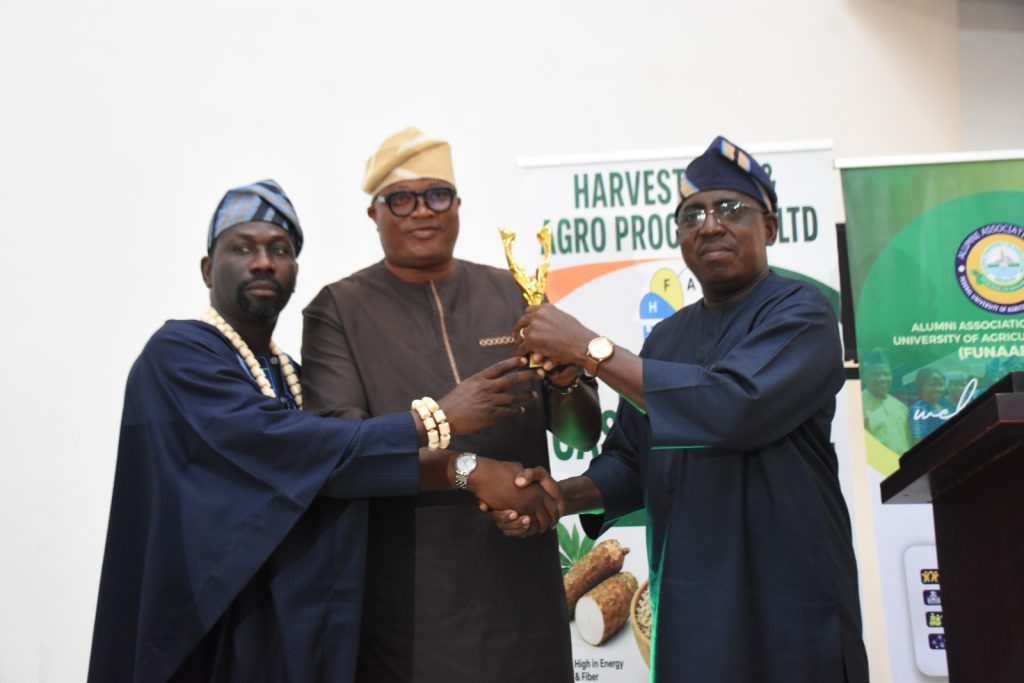
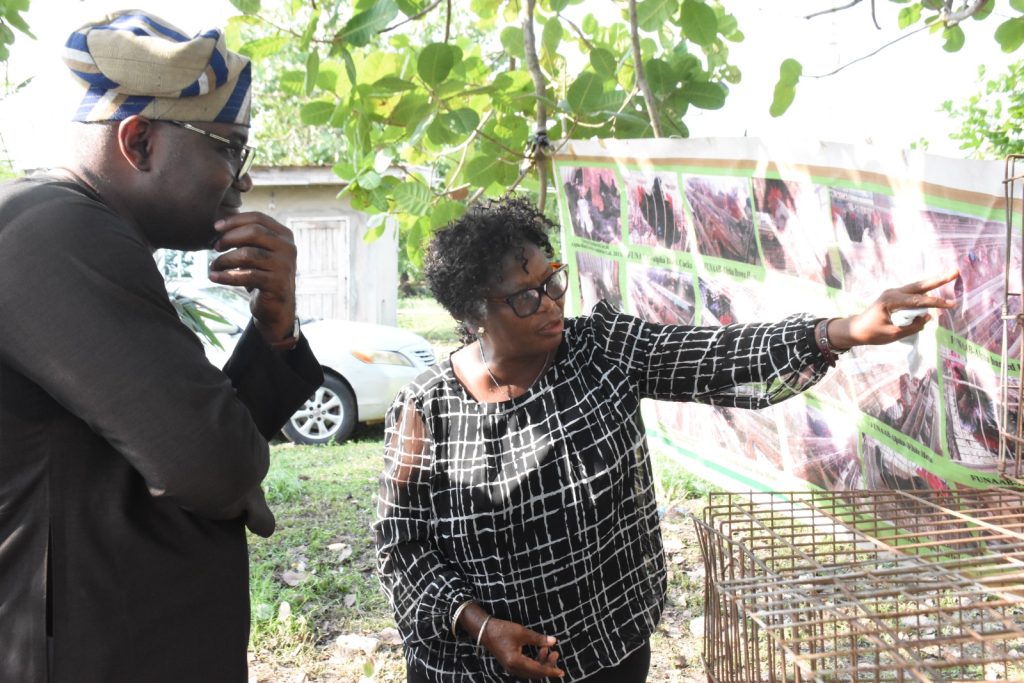
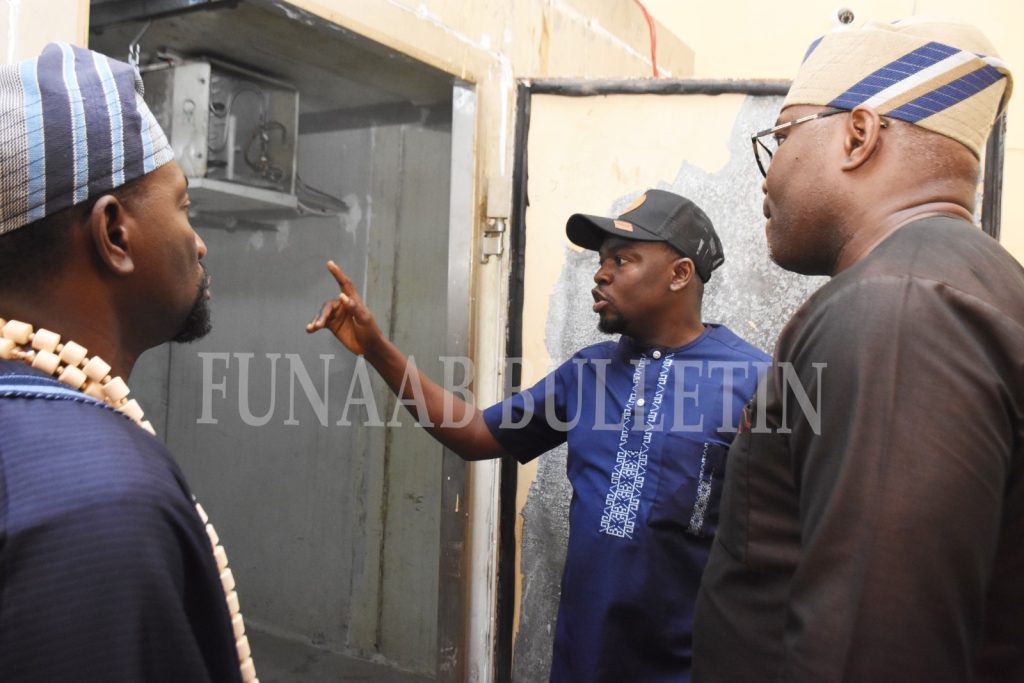
The convention concluded with awards presented to key contributors, among whom is the Olokine of Ojowo Kingdom, Ijebu-Igbo, HRM, Oba Abdul-Rasheed Abayomi Banjo, followed by a guided tour of the University’s renewable energy infrastructure, the 3.4MW hybrid solar power plant, as well as the FUNAAB Alpha Unit, including the Animal Demonstration Laboratory (Abbattoir).