
Last Updated on May 18, 2026 by Olasunkanmi Olajide
By Femi Dansu
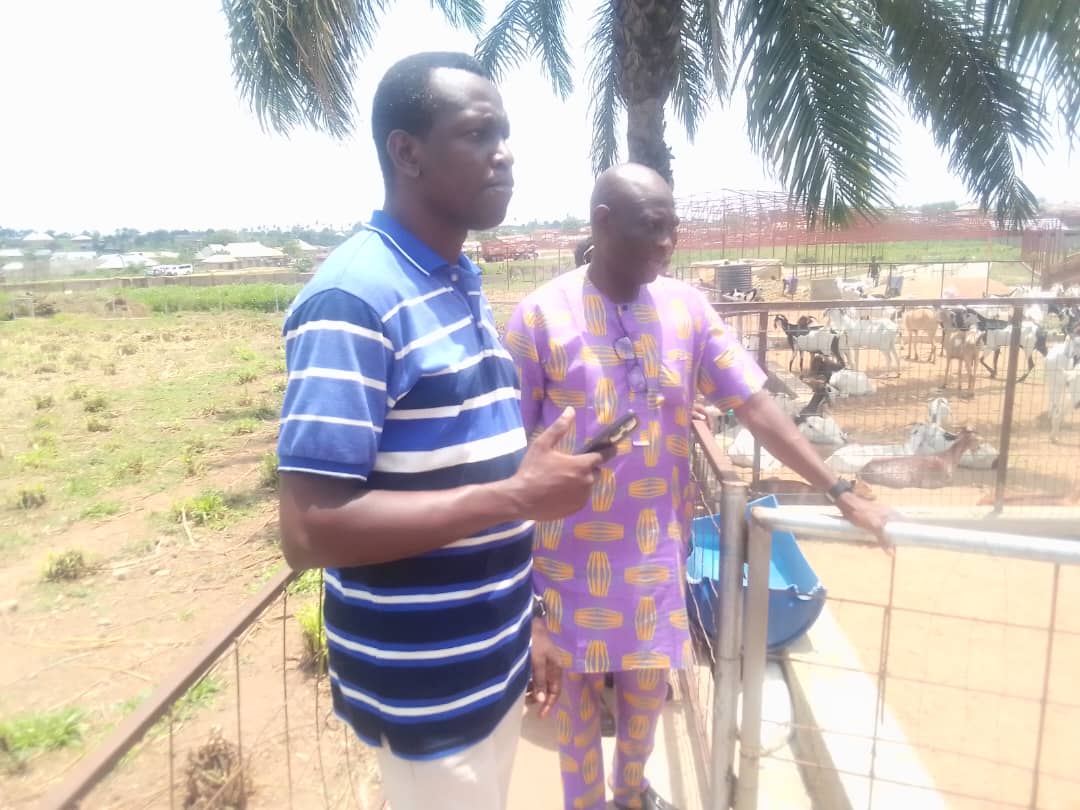
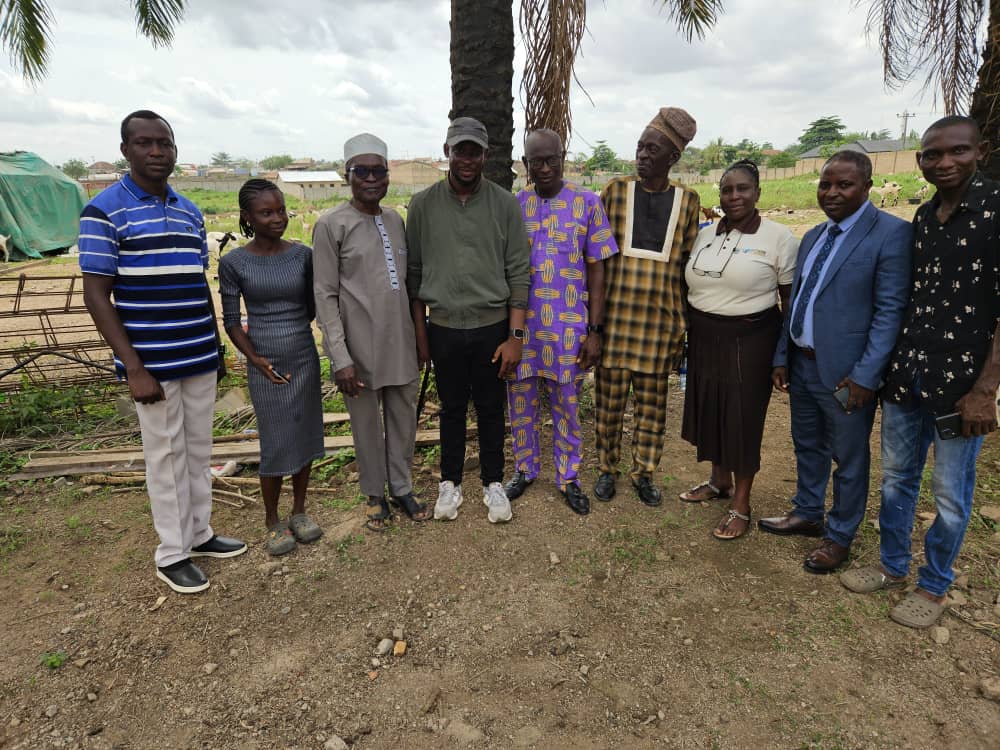
The Institute of Food Security, Environmental Resources and Agricultural Research (IFSERAR), today, April 30, 2026, paid a strategic visit to Alliance Farms, Oyo State, to deepen industry–academia collaboration and advance innovation in livestock and crop production systems.
Welcoming the delegation, the Chief Executive Officer of Alliance Farms, Mr. Oyekunle Ogunmola, highlighted his professional journey and the vision driving the enterprise. A Physics graduate of the University of Ibadan and a Chartered Accountant trained with KPMG, he noted that his transition into agriculture was motivated by a desire to strengthen Oyo State’s agrarian economy and improve access to quality livestock systems.
He explained that the farm operates on a philosophy of efficiency and productivity, with a focus on high-performing pedigree animals to shorten production cycles. Central to its operations is a proprietary digital platform, “Farm OS,” used to monitor reproductive performance indicators such as kidding rates, lambing intervals, and calving records.
Despite being less than a year in operation, the farm has recorded notable reproductive successes, including instances of triplets and quadruplets in goats. However, challenges persist, particularly high kid mortality rates and the limited effectiveness of some vaccines against Clostridium-related infections, attributed to inconsistencies in formulations and inadequate strain coverage.
On genetic improvement, Mr. Ogunmola noted that livestock are sourced locally, especially from northern Nigeria, and crossbred with imported pedigree stock. While this has yielded promising results, challenges such as quarantine mortality and the need for more scientific selection processes remain, even as the farm explores advanced reproductive technologies like artificial insemination and embryo transfer.
Addressing livestock nutrition, he emphasised the farm’s commitment to precision feed formulation supported by laboratory analysis, while lamenting the high cost and occasional inaccuracies of commercial feed analysis services. He also noted the difficulty in sourcing quality mineral supplements locally, leading to reliance on imports.
To ensure feed sustainability, the farm cultivates maize, sorghum, and soybeans, alongside extensive forage development. It also adopts alternative forage crops such as Cajanus cajan for its high crude protein content, while implementing pasture management strategies and diversification efforts including teak cultivation.
In his remarks, the Director of IFSERAR, Prof. Kazeem Bello, described the visit as a vital step towards aligning academic research with real-world agricultural challenges. He underscored the importance of partnerships with commercial farms in driving solution-oriented research and strengthening engagement with national bodies such as the Agricultural Research Council of Nigeria (ARCN).
Prof. Bello added that the collaboration would include staff exchange, student industrial training placements, and joint research initiatives, while also exploring opportunities in fodder production, improved feed processing, and sustainable practices. He described the partnership as mutually beneficial in enhancing teaching, research, and extension services at FUNAAB, while supporting innovation at Alliance Farms.