Last Updated on May 22, 2026 by Olasunkanmi Olajide
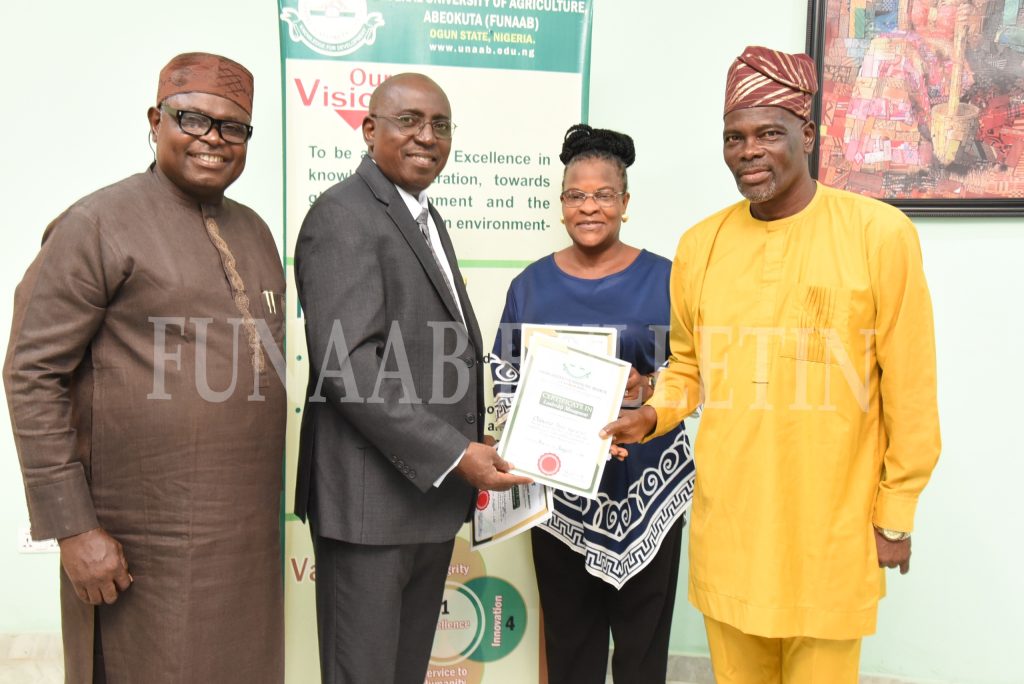
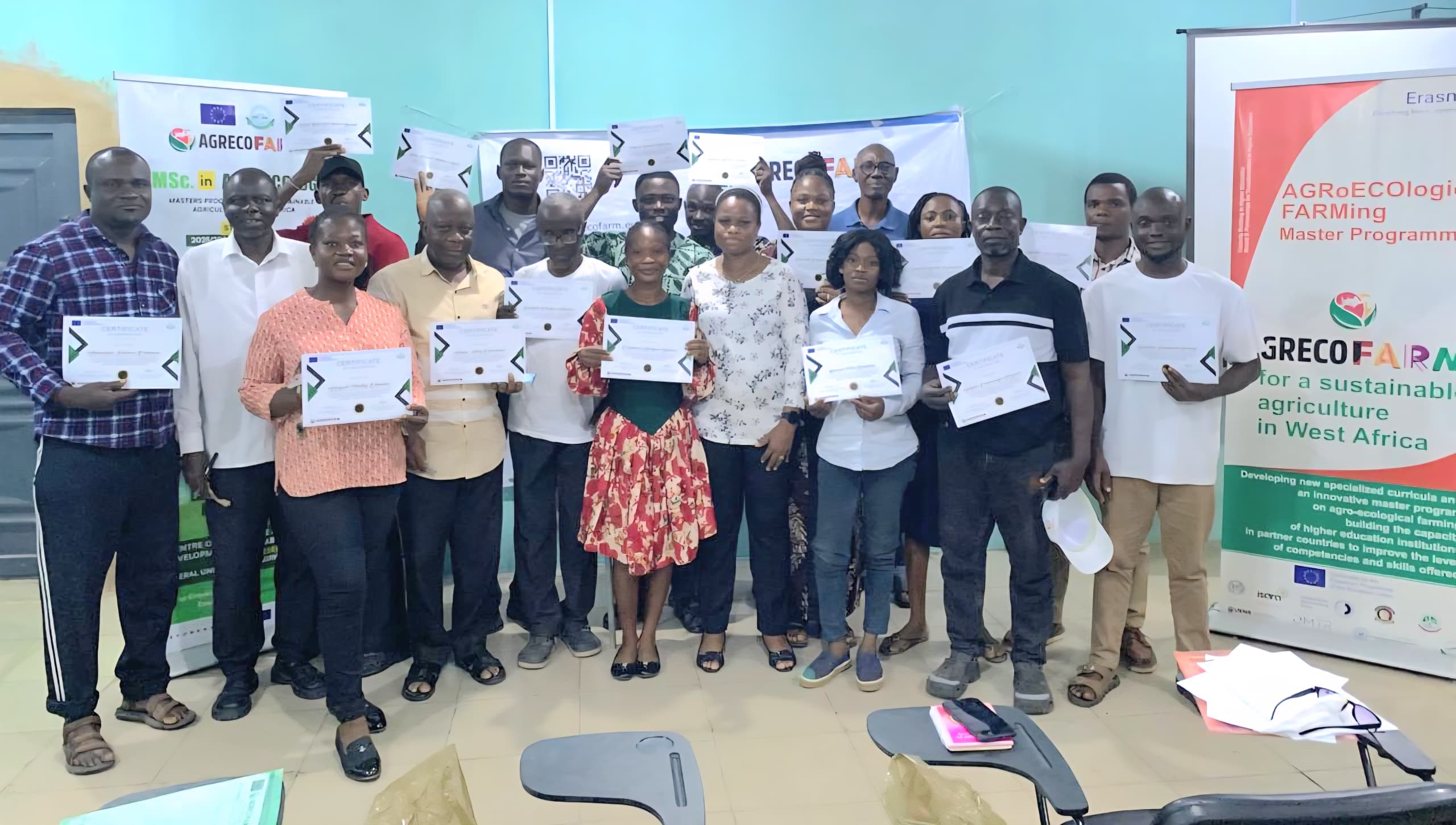
The AGRECOFARM Vocational Education Training Cohort 2.0 has successfully empowered participants with practical knowledge and skills in climate-smart and sustainable agricultural practices during the just-concluded training programme held at the Federal University of Agriculture, Abeokuta (FUNAAB).
The Two-Day vocational training programme on Agroecology and Sustainable Food Production, which held from May 13 to 14, 2026, was organised in response to growing concerns over food insecurity, climate change, declining soil fertility, and the increasing demand for sustainable food production systems across Nigeria and Africa.
The training brought together farmers, students, agripreneurs, extension officers, and agricultural professionals for intensive practical sessions focusing on hydroponics, soilless farming systems, composting, integrated pest management, crop nutrition, and effective farm management techniques.
Speaking during the programme, the Team Lead of the AGRECOFARM Project, Prof. Adewale Dipeolu, stressed the urgent need for innovative and sustainable farming systems capable of addressing present-day food production challenges.
According to him, modern agriculture can no longer depend solely on traditional farming methods due to changing climate conditions, environmental degradation, and the increasing demand for food. He noted that farmers must embrace climate-smart technologies and sustainable solutions to remain productive and competitive.
Prof. Dipeolu explained that the training programme was conceived as a practical intervention aimed at equipping participants with relevant skills, innovative approaches, and modern agricultural knowledge capable of enhancing productivity, profitability, and environmental sustainability.
He further disclosed that AGRECOFARM remained committed to bridging the gap between conventional agriculture and modern sustainable farming systems through practical exposure to hydroponics, nutrient management, composting, integrated pest management, and effective farm management practices.
The Team Lead emphasised that the future of agriculture lies in innovation, sustainability, and knowledge-driven farming systems, while encouraging participants to apply the knowledge gained within their farms, businesses, and communities to improve food production and environmental protection.
Earlier in her Welcome Address, the Programme Coordinator, Dr. Folasade Oke, appreciated participants and facilitators for their commitment to promoting sustainable agriculture and youth participation in agribusiness. She described the initiative as a timely intervention aimed at addressing critical challenges confronting agriculture and food production systems in the country.
Dr. Oke further noted that the programme adopted an 80 percent practical and learner-friendly approach, allowing participants to engage directly in demonstrations and hands-on activities within an inclusive, non-examination learning environment that encouraged active participation, practical understanding, and knowledge sharing among participants.