
Last Updated on May 18, 2026 by Olasunkanmi Olajide
By Raymond Osemene
The Department of Home Science and Management (HSM), Federal University of Agriculture, Abeokuta (FUNAAB), today, May 13, 2026, staged a colourful and intellectually engaging fashion show that celebrated creativity, cultural heritage, and innovation in fashion and textile design.
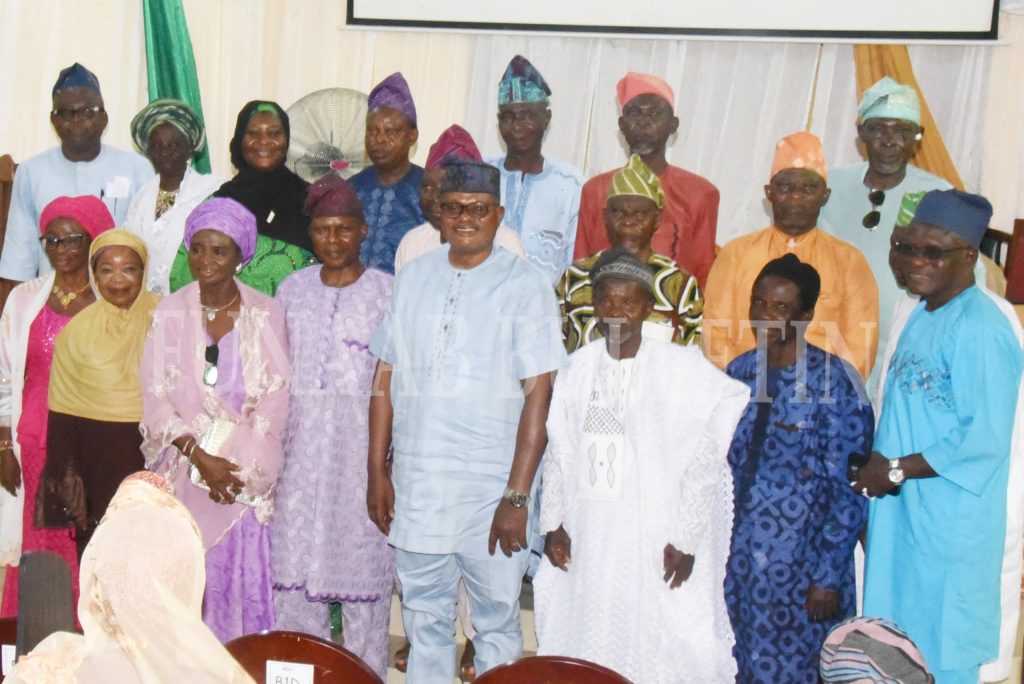
The event, themed “Heritage of the Culture: A Bridal and Owambe Runway Experience Celebrating Indigenous Textiles,” was held at the Cooperative Building and drew an impressive audience of Academic and Non-Teaching staff, students, fashion enthusiasts, and members of the University Community.

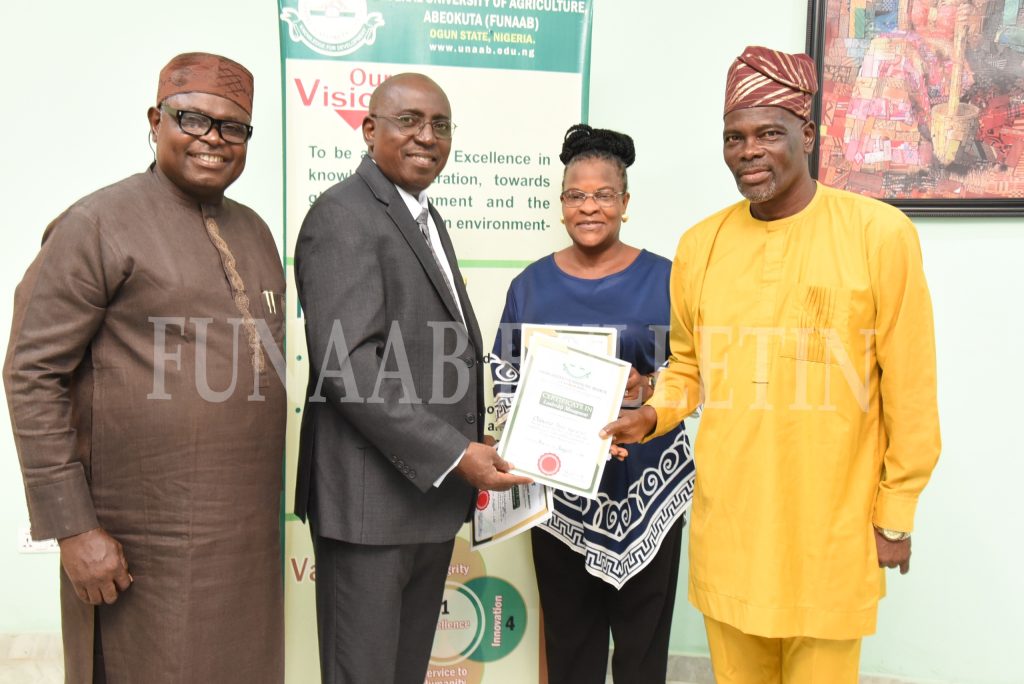
Representing the Vice-Chancellor, Prof. Babatunde Kehinde, the Deputy Vice-Chancellor (Academic), Prof. Olusegun Idowu, described the exhibition as a remarkable showcase of talent and a proud achievement for the Department and the University at large. According to him, the fashion show transcended the ordinary display of clothing, as it reflected the rich history, traditions, and cultural identity embedded in indigenous fashion and textile designs. He commended the graduating students for their ingenuity, dedication, and exceptional craftsmanship, noting that the future of Nigeria’s fashion and textile industry remains promising with the emergence of such talented young designers.
The Vice-Chancellor further encouraged the students to continue refining their skills and creativity while urging the Department to sustain and expand the initiative in future editions. He also reaffirmed the University’s commitment to strengthening practical teaching and learning in fashion and textile studies.
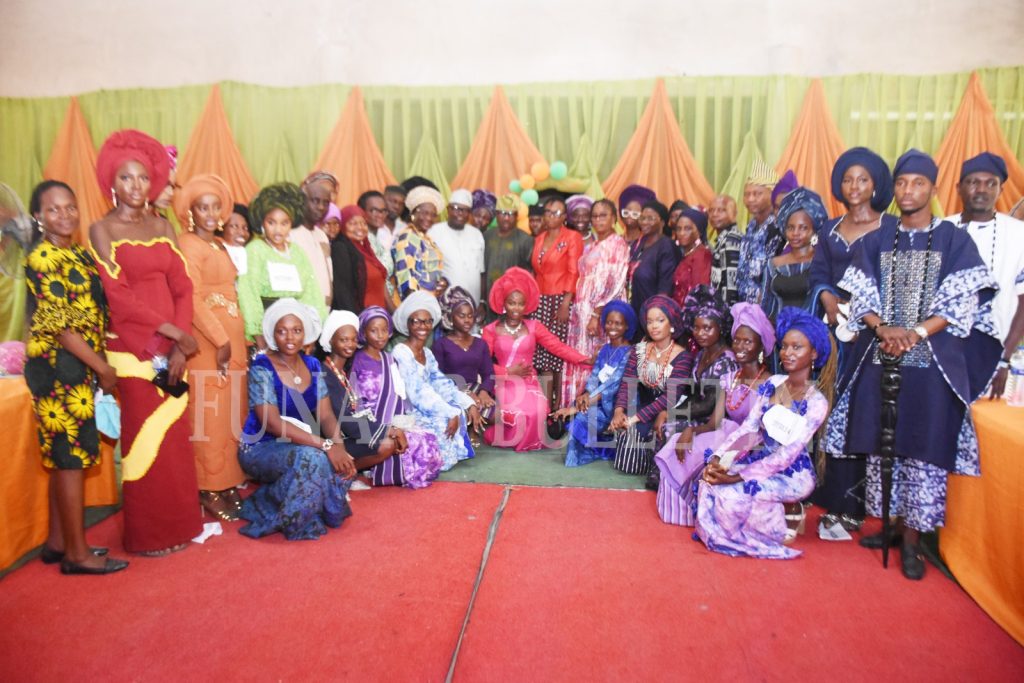
Speaking earlier, the Ag. Head of Department, Dr. Bolanle Oyundoyin, emphasised the importance of traditional fabrics as enduring symbols of identity, history, and culture across African societies. She highlighted notable indigenous fabrics such as Adire from Abeokuta and Osogbo, Aso-Oke from Iseyin, and Kente from Ghana, stressing that clothing remains one of the strongest expressions of cultural identity and social heritage.
Dr. Oyundoyin, however, expressed concern over the increasing influence of fast fashion and commercialisation, which she said often diminishes the true cultural and artistic value of clothing in the digital age. According to her, the extinction of traditional weaving techniques would amount to the loss of indigenous knowledge, craftsmanship, history, and ancestral symbols preserved through generations. “Our heritage should not become a museum artefact locked behind glass,” she stated, adding that cultural traditions must evolve while remaining relevant in contemporary society.
She explained that the fashion show served as a platform for promoting creativity, royalty, and cultural preservation, while also opening opportunities for rural artisans and custodians of indigenous traditions to access broader global markets.
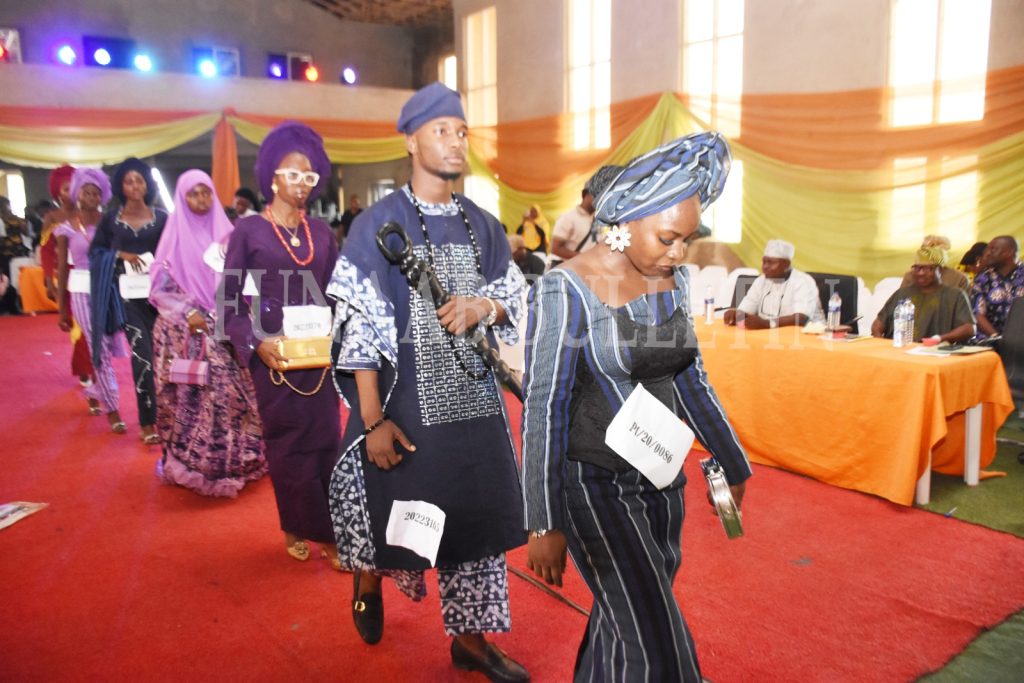
Corroborating the Ag. HoD, Prof. Adetoun Amubode described the annual fashion show as more than a runway exhibition, noting that it remains a vibrant platform for learning, innovation, cultural expression, and academic excellence. She observed that cultural heritage represented a priceless treasure that defines the identity, values, and traditions of a people. She added that the exhibition encouraged students to reconnect with indigenous fabrics, traditional aesthetics, and cultural designs that continue to shape society.
One of the major highlights of the event was the dazzling runway presentation of diverse creative designs by the final year students, demonstrating both academic excellence and artistic originality.